CC Now Health & Fitness Medikamente Online Bestellen: So Funktioniert Es

Medikamente Online Bestellen: So Funktioniert Es

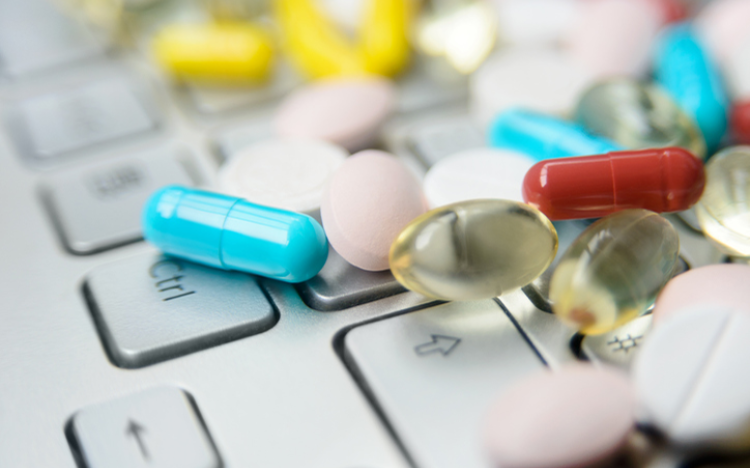
In der heutigen digitalen Welt hat sich die Art und Weise, wie wir einkaufen und Dienstleistungen in Anspruch nehmen, erheblich verändert. Auch im Gesundheitswesen ist der Trend zum Online-Bestellen nicht mehr aufzuhalten – und das gilt auch für Medikamente. Wer sich die Zeit und den Aufwand sparen möchte, in die Apotheke zu gehen, kann heutzutage einfach Medikamente online bestellen. Aber wie funktioniert das genau? Und was gibt es dabei zu beachten? In diesem Artikel erfahren Sie alles Wichtige rund um das Thema "Medikamente Online Bestellen".

1. Warum Medikamente Online Bestellen?

Der Online-Kauf von Medikamenten bietet zahlreiche Vorteile:

  • Bequemlichkeit: Sie können Medikamente jederzeit und von überall bestellen – egal, ob morgens nach dem Aufstehen oder spät in der Nacht.
  • Zeitersparnis: Der Gang zur Apotheke entfällt, was besonders in hektischen Zeiten oder für Menschen mit eingeschränkter Mobilität hilfreich ist.
  • Diskretion: Bei sensiblen Themen wie der Bestellung von rezeptpflichtigen Medikamenten oder Gesundheitsprodukten können Sie diskret und ohne Hemmungen bestellen.
  • Preisvergleich: Online-Apotheken bieten oft günstigere Preise und Rabatte, sodass Sie Medikamente zu einem besseren Preis finden können.

2. Wie funktioniert das Bestellen von Medikamenten Online?

Schritt 1: Auswahl der richtigen Online-Apotheke

Bevor Sie Medikamente online bestellen, müssen Sie eine seriöse und vertrauenswürdige Online-Apotheke wählen. Es gibt zahlreiche Anbieter, aber nicht alle sind gleich gut. Wählen Sie eine Apotheke, die durch offizielle Stellen wie die Apothekenkammer oder Zulassungsbehörden anerkannt ist. Achten Sie darauf, dass die Website über eine sichere Verbindung (HTTPS) verfügt, was für den Schutz Ihrer persönlichen Daten unerlässlich ist.

Schritt 2: Rezeptpflichtige und nicht rezeptpflichtige Medikamente

Für nicht rezeptpflichtige Medikamente (wie Schmerzmittel, Erkältungsmittel oder Vitamine) können Sie einfach das gewünschte Produkt auswählen und in den Warenkorb legen.

Bei rezeptpflichtigen Medikamenten benötigen Sie ein gültiges Rezept. Viele Online-Apotheken bieten einen Service an, bei dem Sie ein Foto oder eine Kopie Ihres Rezepts hochladen können. Das Rezept wird dann überprüft und das Medikament zugeschickt, sofern keine Unregelmäßigkeiten festgestellt werden. Wichtig: In Deutschland dürfen verschreibungspflichtige Medikamente nur nach Vorlage eines Rezepts abgegeben werden.

Schritt 3: Zahlung und Versand

Nach der Auswahl der Medikamente und dem Hochladen eines Rezepts (bei rezeptpflichtigen Arzneimitteln) erfolgt die Zahlung. Die meisten Online-Apotheken bieten verschiedene Zahlungsmethoden an, darunter:

  • Kreditkarte
  • PayPal
  • Vorkasse
  • Rechnung

Der Versand erfolgt in der Regel schnell, sodass Sie Ihre Medikamente in der Regel innerhalb von ein bis drei Werktagen erhalten.

Schritt 4: Beratung und Service

Seriöse Online-Apotheken bieten auch eine pharmazeutische Beratung an. Sie können sich bei Fragen zu Dosierung, Nebenwirkungen oder Wechselwirkungen mit anderen Medikamenten an Apotheker wenden. Viele Plattformen bieten zudem eine telefonische oder digitale Beratung an.

3. Sicherheitsaspekte beim Online-Kauf von Medikamenten

Wie bei jedem Online-Kauf gibt es auch beim Bestellen von Medikamenten gewisse Risiken. Es ist entscheidend, auf folgende Punkte zu achten:

  • Seriosität der Apotheke: Kaufen Sie nur bei lizenzierten und anerkannten Online-Apotheken. Eine vertrauenswürdige Apotheke erkennt man an einem grünen Kreuz in einem EU-Flaggen-Symbol, das bestätigt, dass sie in der EU zugelassen ist.
  • Rezeptpflichtige Medikamente: Achten Sie darauf, dass rezeptpflichtige Medikamente nicht ohne Rezept verkauft werden. Betrügerische Websites bieten oft Medikamente ohne Rezept an, was nicht nur illegal ist, sondern auch gesundheitsschädlich sein kann.
  • Fälschungen: Im Internet gibt es immer wieder gefälschte Medikamente. Lovegra online bestellen Sie daher nur bei Apotheken, die den sicheren Vertrieb und die Echtheit der Produkte gewährleisten.

4. Vorteile des Online-Bestellens gegenüber dem Kauf in der Apotheke vor Ort

  • Mehr Auswahl: Online-Apotheken bieten oft ein breiteres Sortiment als lokale Apotheken, da sie nicht an Platz und Regale gebunden sind.
  • Preisvorteile: Online-Apotheken haben oft günstigere Preise, besonders bei langfristiger Einnahme von Medikamenten.
  • Verfügbarkeit: Auch wenn Ihre lokale Apotheke das gewünschte Medikament nicht vorrätig hat, finden Sie es möglicherweise bei einer Online-Apotheke.

5. Häufig gestellte Fragen

Frage: Ist es sicher, Medikamente online zu bestellen? Antwort: Ja, wenn Sie bei einer seriösen und lizenzierten Online-Apotheke bestellen, ist es sicher. Vermeiden Sie Anbieter, die keine Kontaktmöglichkeiten oder ein gültiges Impressum haben.

Frage: Wie lange dauert der Versand? Antwort: Die Lieferzeit variiert je nach Anbieter und Versandmethode, aber in der Regel erhalten Sie Ihre Medikamente innerhalb von 1 bis 3 Werktagen.

Frage: Muss ich für rezeptpflichtige Medikamente ein Rezept einreichen? Antwort: Ja, für rezeptpflichtige Medikamente benötigen Sie ein gültiges Rezept, das entweder hochgeladen oder per Post eingesendet werden muss.

6. Fazit

Das Bestellen von Medikamenten online ist eine bequeme und oft günstigere Möglichkeit, sich mit den nötigen Arzneimitteln zu versorgen. Dabei ist es wichtig, auf die Seriosität der Online-Apotheke zu achten und sicherzustellen, dass Sie nur geprüfte, echte Medikamente erhalten. Wenn Sie die oben genannten Tipps befolgen, können Sie sicher und einfach Medikamente online bestellen und von den Vorteilen der digitalen Apotheke profitieren.

Leave a Reply

Your email address will not be published. Required fields are marked *

Related Post

La Manière Les Pharmacies Tracent Votre Moyen Pour Un Plus Grand Accès à Les Soins MédicauxLa Manière Les Pharmacies Tracent Votre Moyen Pour Un Plus Grand Accès à Les Soins Médicaux


Le développement technologique rapide a modifié de nombreux secteurs, et celui de la santé ne fait pas exception. Parmi les innovations les plus importants, l’émergence des pharmacies en ligne a changé la manière dont les patients obtiennent leurs médicaments et des conseils médicaux. En quelques années seulement, ces plateformes numériques sont devenues des partenaires clés dans l’univers de la santé, offrant une facilité sans précédent et un accès facile aux médicaments, tout en répondant aux exigences des consommateurs modernes en matière de service à distance.

Les pharmacies en ligne opèrent sur un modèle identique à celui des pharmacies traditionnelles, mais avec l’avantage d’être accessibles 24 heures sur 24, 7 jours sur 7, via une simple connexion Internet. Cela permet aux patients de acheter des médicaments prescrits, des produits de santé en libre accès, ainsi que des dispositifs médicaux, sans avoir à se rendre physiquement dans une pharmacie. Ce modèle offre une grande flexibilité, surtout pour ceux qui ont des horaires de travail chargés, qui vivent dans des zones rurales ou qui ont des difficultés de déplacement.

L’un des plus grands avantages des pharmacies en ligne est leur capacité à offrir des tarifs intéressants. Étant donné que les dépenses sont souvent plus bas que ceux des pharmacies physiques, elles peuvent proposer des produits à des tarifs plus abordables. De plus, certaines pharmacies en ligne offrent des réductions et des promotions spéciales, ce qui attire un large éventail de consommateurs soucieux de leur budget.

En outre, la discrétion et la discrétion sont des facteurs cruciaux dans la popularité croissante des pharmacies en ligne. Beaucoup de patients, en particulier ceux qui ont des problèmes de santé sensibles ou des troubles liés à la sexualité, préfèrent acheter leurs médicaments en ligne pour éviter l’embarras d’une discussion en personne avec un pharmacien ou d’autres clients. La possibilité d’acheter discrètement des produits de santé dans l’intimité de son foyer est donc un atout certain pour ces plateformes.

Cependant, malgré les bénéfices indéniables, l’achat de médicaments en ligne comporte certains dangers. La vente de médicaments contrefaits ou de produits non autorisés est un problème qui persiste dans certains coins du marché en ligne. C’est pourquoi il est crucial pour les consommateurs de s’assurer qu’ils achètent uniquement auprès de Tension artérielle en ligne certifiées et réglementées par les autorités sanitaires. En Europe, les pharmacies en ligne doivent être enregistrées et afficher un logo spécifique sur leur site, garantissant qu’elles respectent les normes de sécurité et de qualité des médicaments.

Par ailleurs, bien que les pharmacies en ligne facilitent l’achat de médicaments, il est essentiel de rappeler qu’elles ne peuvent pas remplacer une consultation médicale. Les médicaments doivent toujours être utilisés sous la supervision d’un professionnel de la santé pour éviter les risques de mauvaises utilisations ou d’interactions médicamenteuses dangereuses. De plus, certaines plateformes en ligne offrent des services de télémédecine, où un médecin peut fournir une prescription après une consultation virtuelle. Cela permet d’élargir l’accès aux soins, surtout dans des zones où l’accès aux médecins est limité.

En résumé, les pharmacies en ligne ont marqué un tournant important dans la manière dont les individus accèdent à leurs médicaments et à des produits de santé. Elles offrent une solution pratique et économique pour de nombreux patients, tout en mettant en avant des avantages tels que la discrétion et la disponibilité. Toutefois, les utilisateurs doivent être attentifs et s’assurer qu’ils choisissent des plateformes fiables et sûres pour garantir leur sécurité et leur bien-être.

Sympathy The Role And Grandness Of Dentists In HealthcareSympathy The Role And Grandness Of Dentists In Healthcare

A tooth doctor, being a life-sustaining part of the healthcare manufacture, plays an helpful role in ensuring the oral health of individuals. Dentists are checkup practitioners specialized in oral health care, including the diagnosing, bar, and handling of diseases and conditions touching the mouth, teeth, gums, and cognate facial nerve areas. Their work not only constitutes treating tooth decays and oral diseases but also involves educating patients about specific oral hygiene and preventive care.

The path to becoming a eligible tooth doctor involves stringent training and grooming. After complementary a Bachelor’s , aspirants are needed to pursue a technical dental programme, in general lasting about four years. Moreover, they need to win a licence to practice dentistry, which stipulates passage several written and clinical examinations. The profession requires a blend of technical proficiency, manual of arms sleight, and a keen eye for .

Dentists volunteer a variety show of services, ranging from superior general dental medicine to specialized areas. General odontology comprises function procedures like cleanings, fillings, root canals, and tooth extractions. Specialized areas let in orthodonture(focus on tooth conjunction and the correction of bite issues), periodontia(dedicated to the treatment of gums), and oral surgical proces. A personalized handling plan is premeditated for each patient role supported on their unique oral needs and overall health status.

Maintaining oral health is material for overall health, and dentists cater necessary showing for oral health problems that might indicate other systemic diseases. Detecting these issues early can lead to more effective and less incursive treatments. Moreover, dentists can place potentially cancerous growths in the verbalise during routine exams, thus possibly rescue lives through early detection.

Regrettably, there’s a park fear or anxiety associated with tooth doctor visits, often referred to as dental consonant anxiousness or phobic neurosis. It is the responsibility of dentists and their teams to nurture a wide and lax for their patients. This can necessitate the use of sedatives and the practice of a multi-discipline approach where science techniques are made use of to soothe patient fears and step-up their console levels.

In ending, the role of a متخصص جراحی فک و صورت extends beyond merely mend dentition. They are entire to our overall wellness and well-being, performin a considerable role in diagnosing, managing and preventing oral wellness issues. Dentists also notably contribute toward educating the populace about the grandness of oral hygienics and preventive care. Their expertise can lead to early on detection of oral signs of systemic diseases, right away directive patients towards necessary medical checkup intervention. Thus, habitue visits to the dental practitioner are probative to maintain not just oral health, but overall health and well-being.

Biofeedback For Objective Applications: Up Patient Role OutcomesBiofeedback For Objective Applications: Up Patient Role Outcomes

Biofeedback is a powerful therapeutic proficiency that empowers individuals to gain verify over physical processes previously cerebration to be beyond conscious rule. It involves the use of electronic monitoring to provide real-time feedback on bodily functions, such as spirit rate, musculus tenseness, brainstorm natural action, and skin temperature. This entropy allows patients to become aware of their body’s responses to stressors and, over time, train themselves to modify those responses. In the kingdom of CLINICAL applications, biofeedback is gaining recognition for its potential to meliorate patient outcomes in a variety of health conditions, from mental health disorders to prolonged pain and even cardiovascular issues.

Understanding Biofeedback and Its Mechanism

The core conception behind biofeedback is that by monitoring and providing real-time data about natural object processes, individuals can teach to gover these processes . With the guidance of skilled professionals, patients are trained to use relaxation techniques, visualizations, or other cognitive strategies to mold physiologic responses.

Different types of biofeedback postulate monitoring different physiological systems. Common examples include:

  1. Electromyography(EMG): Measures musculus tensity, ordinarily used for pain direction and relaxation training.

  2. Electroencephalography(EEG): Monitors brainstorm activity, often utilized in the treatment of conditions like anxiety, ADHD, or insomnia.

  3. Heart Rate Variability(HRV): Tracks variations in spirit rate, used to ameliorate try response and vessel wellness.

  4. Thermal Biofeedback: Measures skin temperature, providing sixth sense into strain levels and serving with conditions such as Raynaud’s .

By receiving dogging feedback about these processes, patients can make changes in real-time and enhance their body’s cancel ability to regularise its functions.

Ultrasonic Pain Therapy Applications of Biofeedback

Biofeedback’s CLINICAL applications span a wide straddle of conditions, demonstrating its versatility and potency. Below are some of the key areas where biofeedback is making a considerable touch.

1. Mental Health and Stress Management

Chronic try is a root cause of many mental wellness disorders, including anxiousness, slump, and PTSD. Biofeedback offers patients a non-invasive way to finagle these conditions by commandment them to verify physical responses associated with try, such as magnified heart rate, shallow external respiration, and musculus tautness.

For exemplify, in individuals with anxiety disorders, biofeedback can help them ride herd on their external respiration patterns and muscle repose, providing immediate feedback on their strain levels. Over time, patients train the ability to self-regulate these responses, which may reduce the harshness and frequency of anxiousness attacks.

2. Chronic Pain Management

Chronic pain, including conditions like fibromyalgia, migraines, and lour back pain, can be uncontrollable to regale with conventional therapies alone. Biofeedback is more and more being used to pain management programs. By providing individuals with real-time data about their musculus tension and spirit rate, biofeedback enables them to understand the connection between strain, tension, and pain levels.

Patients can instruct to use relaxation techniques, guided imagery, and deep ventilation to tighten musculus tautness and lour their pain limen. Studies have shown that biofeedback can significantly tighten the loudness and frequency of prolonged pain episodes, rising patients’ overall timbre of life.

3. Cardiovascular Health

Biofeedback is also applied to better cardiovascular health, particularly in the management of high blood pressure(high roue squeeze). By using heart rate variableness(HRV) biofeedback, patients can instruct to order their involuntary tense system of rules, which controls heart rate and blood forc. By practicing rest techniques, such as limited external respiration and heedfulness, individuals can tighten their spirit rate and rip pressure levels.

Biofeedback has shown forebode in both short-circuit-term and long-term management of hypertension. Research indicates that patients who take biofeedback therapy have more uniform rake pressure control compared to those who rely alone on medicinal dru. This can tighten their risk of fondle, heart attack, and other cardiovascular events.

4. Sleep Disorders

Sleep disorders, such as insomnia, are a general make out that can negatively impact natural science and mental health. Biofeedback, particularly EEG neurofeedback, is being used to trail patients to gover insight patterns conducive to quiet sleep out.

EEG biofeedback involves monitoring insight natural action and preparation individuals to step-up alpha waves, which are associated with repose and , while reducing beta waves, which are coupled to heightened alertness. Through this work, patients can teach to calm their mind before bed, qualification it easier to fall insensible and stay numb. Studies have shown that biofeedback-based sleep preparation can be an operational treatment for insomnia, leadership to thirster and more restful kip.

5. Rehabilitation and Motor Control

In neuro-rehabilitation, biofeedback is used to help patients retrieve drive run after a fondle or injury. For example, EMG biofeedback can be employed to help patients find verify over weakened muscles by providing them with feedback on musculus natural action during reclamation exercises.

This proficiency has been shown to better motor public presentation, tighten spasticity, and raise overall functional retrieval. Patients can welcome real-time feedback during exercises, allowing them to fine-tune their movements and optimise muscle involution. Biofeedback therapy plays a material role in enhancing the outcomes of physical therapy programs, leadership to more effective and quicker reclamation.

Advantages of Biofeedback

  1. Non-invasive: Biofeedback does not want operation or medicine, qualification it an likable option for patients looking for a cancel go about to managing their .

  2. Personalized Treatment: Treatment can be trim to the specific needs of the patient, whether it’s addressing anxiety, chronic pain, or cardiovascular health.

  3. Empowerment: One of the most substantial benefits of biofeedback is that it gives patients greater control over their own wellness. By encyclopaedism how to self-regulate, patients can gain a feel of agency and trust in managing their conditions.

  4. Complementary: Biofeedback is often used in conjunction with other therapies, such as cognitive-behavioral therapy(CBT), medicament, or natural science therapy, enhancing overall handling efficaciousness.

Conclusion

Biofeedback is an innovative and bear witness-based approach that is gaining grip in CLINICAL settings. Its power to help patients control physical responses to strain, pain, and other wellness challenges is transforming the way health care professionals manage a variety of conditions. By offering a non-invasive, personal, and empowering treatment choice, biofeedback is up patient role outcomes across a wide range of CLINICAL applications. As search into its effectiveness continues to grow, biofeedback is equanimous to become an requirement tool in modern font healthcare, offering patients greater verify over their natural science and unhealthy well-being.

Nonprofit Family Therapy Clinics What to ExpectNonprofit Family Therapy Clinics What to Expect

When a family faces a crisis—whether it’s a sudden illness, a divorce, or a child's behavioral shift—finding the right place to heal can feel overwhelming. Many parents look for a tone that feels both compassionate and cost‑effective, often turning to the phrase *family therapy near me*. In this context, nonprofit family therapy clinics emerge as a beacon of hope, offering services that blend clinical expertise with community‑driven values.

Why Nonprofit Clinics Matter for Family Mental Health

Nonprofit organizations differ from for‑profit practices in their mission‑centric approach. While a private clinic might prioritize revenue streams and insurance contracts, a nonprofit clinic channels its resources toward accessible family counseling and public service. This mission translates into lower overhead, which can reduce the cost of sessions and allow more families to receive the help they need.

According to the National Alliance on Mental Illness (NAMI), families in underserved communities report a 30% higher likelihood of accessing mental health services when they are offered through nonprofit or community‑based programs. When experts from the American Psychological Association (APA) review these results, they highlight how the collaborative atmosphere in such settings fosters trust and encourages open dialogue among family members.

Funding and Resources: How It Shapes Care

  • Grants and Donations — Many nonprofit clinics secure funds through federal grants, state allocations, and philanthropic contributions. These resources are earmarked for expanding outreach programs or subsidizing sessions.
  • Sliding‑Scale Fees — By tying payment to income, clinics can maintain affordability, ensuring that families who struggle financially are not left behind.
  • Volunteer Engagement — Professionals often volunteer time for workshops, support groups, or educational seminars, broadening the service spectrum without additional costs.

When families learn about these financial safeguards, they often feel a greater sense of security, which is itself a therapeutic benefit. The sense that their loved ones are not left to shoulder the burden of mental health costs can reduce anxiety and improve overall family well‑being.

Clinical Expertise: Evidence‑Based Interventions

Nonprofit family therapy clinics routinely employ clinicians who stay current with the latest research. For instance, many therapists use the *Emotionally Focused Family Therapy* (EFT) model, which the APA lists as a gold standard for couples and families. Studies from the Journal of Marital and Family Therapy have shown that EFT improves relationship satisfaction in 70% of participants after a 12‑session program.

In addition to EFT, clinics often integrate the *Family Systems Therapy* (FST) framework, especially for families dealing with chronic illness or substance abuse. FST emphasizes the interdependence of family members, helping to identify patterns that perpetuate distress. This holistic perspective aligns with the concept of *family mental health* as a dynamic process rather than isolated individual conditions.

Therapy for All Ages: A Lifespan Perspective

One hallmark of nonprofit family therapy clinics is their commitment to serving the entire family unit, from toddlers to grandparents. Pediatric psychologists within these settings bring developmental expertise, ensuring that the therapeutic interventions are age‑appropriate. For example, a 6‑year‑old struggling with school anxiety might receive a play‑based approach, while a teenager grappling with identity issues could engage in cognitive‑behavioral strategies.

Older adults, too, find support in programs tailored to address loneliness, caregiving stress, and the transition to retirement. By offering *therapy for all ages*, nonprofit clinics promote continuity of care and reduce the fragmentation that often occurs when different family members seek help from separate providers.

How to Identify a Quality Nonprofit Family Therapy Clinic

Finding the right clinic involves a mix of research, personal intuition, and practical logistics. Below is a structured approach to help families make informed choices.

1. Verify Nonprofit Status and Accreditation

Check the clinic’s registration with state agencies and confirm that it holds accreditation from bodies such as the Joint Commission or the Council on Social Work Education (CSWE). Accreditation signals adherence to rigorous quality standards and ongoing peer review.

2. Examine the Clinical Team’s Credentials

Investigate the degrees, licenses, and special training of therapists. Licensure from the state board, certifications in family therapy from the American Association for Marriage and Family Therapy (AAMFT), or board certification in behavioral health demonstrate professional rigor.

3. Explore the Scope of Services

  • Individual and Family Counseling — Sessions can be conducted in person or via secure telehealth platforms. The flexibility to meet in diverse settings reflects a commitment to community mental health.
  • Support Groups — Peer‑led groups for parents, siblings, or caregivers help reduce isolation.
  • Educational Workshops — Topics range from coping with grief to parenting strategies.

When clinics offer a mix of these services, families often experience a more cohesive healing process.

4. Look for Sliding‑Scale Options

Nonprofit clinics frequently employ a sliding‑scale fee structure that aligns with family income. Some even accept community health insurance plans or partner with Medicaid. Confirming these details upfront saves families from surprise bills and ensures that *affordable family therapy* remains a reality.

5. Assess Accessibility and Availability

Consider clinic hours, location, and transportation options. A family might need a clinic that offers evening appointments or is located near public transit. Additionally, many nonprofits provide family counseling services in multiple languages to accommodate diverse populations.

What to Expect During Your First Visit

The initial session often sets the tone for the therapeutic journey. While each clinic may have its unique process, the following elements are common.

Assessment and Goal Setting

During the first appointment, the therapist conducts a comprehensive intake. This includes gathering family history, identifying presenting concerns, and establishing measurable goals. The goal‑setting phase is collaborative; families are encouraged to voice their expectations and priorities.

Exploration of Family Dynamics

Therapists observe patterns of interaction that may contribute to distress. For example, a family might unknowingly reinforce conflict through repetitive blame cycles. By highlighting these dynamics, the therapist helps family members recognize and modify unhelpful patterns.

Introduction of Therapeutic Techniques

Depending on the family’s needs, the therapist may introduce specific interventions—such as *Emotionally Focused Family Therapy* or *Cognitive Behavioral Techniques*. Families typically receive a concise overview of how these methods will be applied, ensuring transparency and shared understanding.

Homework and Practice Plans

To reinforce progress between sessions, clinicians often assign simple exercises. These may include communication drills, journaling prompts, or family rituals designed to build cohesion. The homework serves as a bridge, keeping momentum alive outside the therapy room.

The Broader Impact: Family Therapy Benefits Beyond the Session

Empirical evidence consistently shows that family therapy can yield benefits that ripple across multiple life domains. A 2021 meta‑analysis published in the *Journal of Family Psychology* found that families who engaged in structured therapy reported significant improvements in:

  • Communication quality
  • Conflict resolution skills
  • Individual mental health outcomes
  • Overall relationship satisfaction

Moreover, families often report increased resilience when faced with future stressors. The therapeutic process cultivates a toolkit—mindfulness practices, assertive communication, and emotional regulation—that families can apply long after therapy concludes.

Community Mental Health: Extending Reach Beyond the Clinic

Nonprofit family therapy clinics frequently partner with schools, churches, and local health departments to promote mental health education. These collaborations help destigmatize therapy and expand access. For instance, a clinic might host a *family wellness fair* where parents learn about early warning signs of depression and where children can participate in stress‑relief activities.

Such outreach initiatives embody the philosophy of *community mental health*: that the well‑being of individual families contributes to the overall health of the broader community. By building networks of support, nonprofit clinics create a safety net that benefits everyone.

Financial Assistance and Grant Opportunities

Families often overlook the variety of financial aid options available. Many nonprofit clinics have dedicated staff to help navigate state and federal grant programs, ensuring that cost never becomes a barrier. Families can also apply for *community mental health* scholarships offered by local foundations.

Choosing the Right Location: Family Therapy Near Me

When searching for a clinic, consider the following practical factors:

  • Proximity to Home or Work — Short travel times reduce logistical stress.
  • Transportation Availability — Public transit or parking options can influence accessibility.
  • Clinic Hours — Evening or weekend appointments accommodate working parents.

Once a shortlist is created, arrange a brief consultation to gauge comfort levels. A supportive environment, where every family member feels heard, is a hallmark of quality supportive family therapy.

Beyond the Clinic: Building a Support System at Home

Therapy is most effective when complemented by consistent practices at home. Families can:

  • Establish daily routines that promote stability.
  • Schedule regular family meetings to discuss concerns.
  • Encourage open expression of emotions without judgment.
  • Model healthy coping strategies, such as breathing exercises or physical activity.

These habits reinforce the therapeutic gains and help families maintain progress over time.

Bridging the Gap Between Professional Care and Everyday Life

Nonprofit family therapy clinics serve as a bridge, connecting professional expertise with real‑world challenges. By offering affordable family therapy and *family counseling services* that are tailored to each family’s unique context, these clinics ensure that psychological support is not a luxury but a standard of care.

When families engage with these clinics, they are empowered to:

  • Recognize and address maladaptive patterns.
  • Develop communication skills that foster understanding.
  • Build resilience against future stressors.
  • Create a culture of compassion within the household.

Each session becomes a building block toward a healthier, more connected family system.

Looking Ahead: The Future of Nonprofit Family Therapy

Technological advancements are reshaping how therapy is delivered. Telehealth platforms allow families to connect with clinicians from the comfort of their homes, expanding reach to rural areas. Virtual support groups also create new spaces for shared experiences.

Additionally, emerging research into neuroplasticity and attachment theory suggests that early intervention can yield lasting benefits. Nonprofit clinics that stay aligned with these developments position themselves at the forefront of modern mental health care.

As the field evolves, the core mission remains unchanged: to provide compassionate, evidence‑based support to families in need.

Take Action: Start Your Journey Today

Family challenges are universal, but help is also universally available. For families seeking a supportive, affordable, and evidence‑grounded approach, nonprofit family therapy clinics offer a proven pathway to healing. By exploring local clinics, verifying credentials, and engaging in open communication, families can transform adversity into growth.

When ready to take the next step, consult a trusted provider or reach out to a local mental health organization. Together, you can build a stronger, healthier family foundation that stands the test of time.

Unveiling the Science Behind NAD Research Compound BenefitsUnveiling the Science Behind NAD Research Compound Benefits

What Is NAD+ Research Compound?

NAD+ research compound refers to a specialized biochemical agent used extensively in scientific studies to explore the role of nicotinamide adenine dinucleotide (NAD+) in cellular metabolism and aging. NAD+ is a critical coenzyme found in all living cells that facilitates essential processes like energy production, DNA repair, and cellular communication. By studying NAD+ compounds, researchers aim to unlock novel therapeutic strategies for age-related diseases and metabolic disorders.

From an expert standpoint, NAD+ is often described as a fundamental molecule that impacts mitochondrial function and overall cellular health. This compound’s ability to enhance or restore NAD+ levels can dramatically influence biological pathways linked to longevity and metabolic efficiency.

The Role of NAD+ in Cellular Metabolism and Aging

NAD+ plays a pivotal role in redox reactions, acting as an electron transporter in the conversion of nutrients into usable energy in the form of ATP. As organisms age, NAD+ levels naturally decline, impairing metabolic processes and increasing vulnerability to oxidative stress and DNA damage. This decline is associated with various age-related conditions, including neurodegenerative diseases, cardiovascular dysfunction, and decreased muscle function.

Scientific investigations into NAD+ research compounds focus on how supplementing or activating NAD+ pathways might reverse or mitigate these declines. These compounds often serve as precursors or enhancers, such as nicotinamide riboside (NR) or nicotinamide mononucleotide (NMN), which are converted into NAD+ within cells.

NAD+ Research Compound in Peptide Science

Peptides are short chains of amino acids known for their diverse biological functions, including signaling and modulation of cellular activity. In recent years, the intersection of NAD+ research compounds and peptide science has gained traction, as peptides can modulate enzymes and pathways involved in NAD+ metabolism.

Many users observe that NAD+ Research Compound boosts cellular regeneration and metabolic resilience by enhancing sirtuin activity, a family of proteins dependent on NAD+ for regulating stress resistance and longevity. This synergy between peptides and NAD+ compounds has accelerated research into developing peptide-based NAD+ therapeutics that could improve metabolic health and slow cellular aging.

Applications and Potential Therapeutic Uses

Research peptides related to NAD+ have broad applications ranging from neuroprotection to metabolic syndrome management. Some of the most promising areas include:

  • Neurodegenerative Diseases: NAD+ augmentation may protect neurons by improving mitochondrial function and reducing oxidative stress.
  • Metabolic Disorders: Enhancing NAD+ levels can improve insulin sensitivity and mitochondrial biogenesis, aiding in diabetes and obesity management.
  • DNA Repair and Cellular Health: NAD+ is essential for activating PARP enzymes involved in DNA repair, thus promoting genomic stability.
  • Anti-Aging Therapies: By restoring NAD+ concentrations, these compounds may delay age-associated functional decline and promote healthier longevity.

Clinical trials are ongoing to confirm these potential benefits, but early data suggest that NAD+ research compounds could revolutionize how we approach age-related health challenges.

Choosing Quality NAD+ Research Compounds for Study

When selecting NAD+ research compounds for scientific experiments, purity and stability are paramount. High-quality peptides and compounds ensure reproducible results and safety in laboratory settings. It is equally important to source these compounds from trusted suppliers who provide rigorous lab testing and validation.

The integration of NAD+ compounds with advanced peptide technologies exemplifies the future of metabolic and regenerative research. By leveraging these innovations, scientists are gaining unprecedented insights into cellular aging and recovery mechanisms.

Conclusion: The Future of NAD+ Research Compounds in Peptide Science

NAD+ research compounds represent a crucial frontier in understanding and manipulating cellular metabolism, energy production, and aging. Their intersection with peptide research opens new possibilities for targeted therapies that could improve human healthspan and treat metabolic and neurodegenerative diseases effectively.

From a scientific perspective, ongoing advancements highlight the importance of precise biochemical tools like NAD+ compounds in studying complex biological systems. As research expands, these compounds are poised to become foundational elements in therapeutic development and peptide-based medical innovations.