
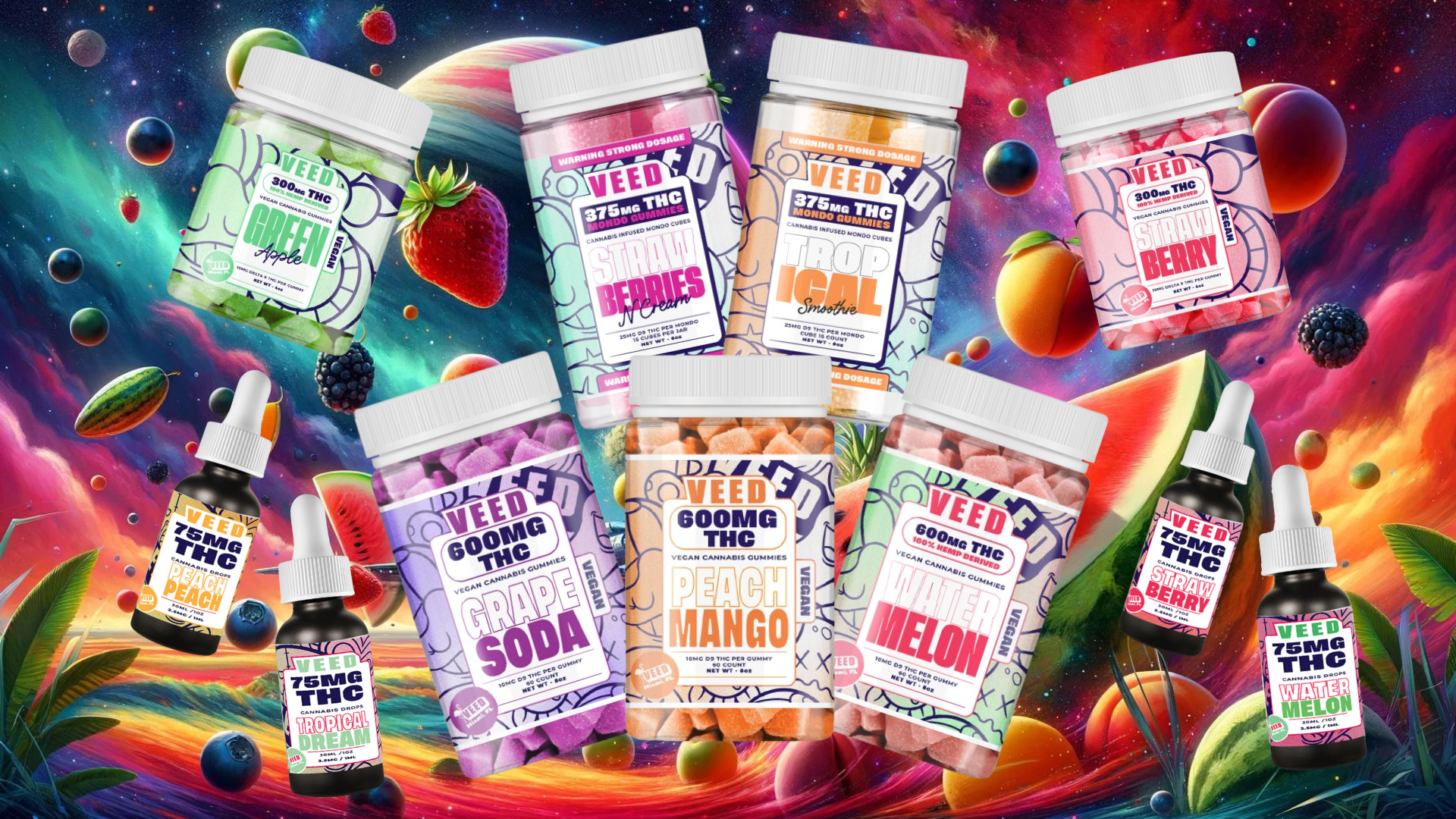
CC Now Health & Fitness Ihre Bedeutung Mit Cannabis In Bezug Auf Schmerzempfindungen Therapie Und Auch Es Ist Aufkommenden Verbrauch Innerhalb Langfristig Patienten

Ihre Bedeutung Mit Cannabis In Bezug Auf Schmerzempfindungen Therapie Und Auch Es Ist Aufkommenden Verbrauch Innerhalb Langfristig Patienten


Die Cannabis-Pflanze, eine der der ältesten Kulturpflanzen der Menschheit, hat eine reiche Geschichte, die sowohl in therapeutischen als auch in gesellschaftlichen Kontexten von Relevanz war. Ursprünglich in Asien beheimatet, hat die Cannabis ihre Verwendung in vielen Kulturen rund um den Globus gefunden. Vom psychoaktiven Genussmittel bis hin zum Medikament in der traditionellen Heilkunst hat die Pflanze eine breite Palette von Verwendungen, die sich im Laufe der Zeit verändert haben. In den letzten Jahrzehnten hat jedoch der zunehmende wissenschaftliche Fokus auf die medizinischen Eigenschaften von dieser Pflanze zu einer Neubewertung seiner Rolle in der modernen Welt geführt.

Die psychoaktive Wirkung von dieser Pflanze ist hauptsächlich auf zwei chemische Verbindungen zurückzuführen: Delta-9-Tetrahydrocannabinol (THC) und Cannabidiol (CBD). THC ist für die meisten psychoaktiven Effekte verantwortlich, während CBD in den letzten Jahren als vielversprechender Inhaltsstoff für die Therapie von verschiedenen gesundheitlichen Zuständen in den Vordergrund gerückt ist. Diese beiden Substanzen haben dazu beigetragen, dass die Pflanze heute sowohl in der Freizeit- als auch in der Medizinbranche auf großes Interesse stößt.

Die rechtliche Lage rund um die Pflanze variiert weltweit erheblich. In vielen Staaten ist der Besitz, der Anbau und die Nutzung von dieser Pflanze nach wie vor illegal, während in anderen Regionen, wie Kanada und einer Reihe von US-Bundesstaaten, die Pflanze für medizinische und Freizeitnutzung legalisiert wurde. In Deutschland ist Cannabis seit 2017 für therapeutische Zwecke legal, doch die vollständige Legalisierung für den freizeitlichen Konsum steht noch aus. Eine zunehmende Zahl von politischen Kräften fordert jedoch eine Reform der bestehenden Gesetze, um die Pflanze als reguliertes Produkt anzubieten und die damit verbundenen finanziellen und gesundheitlichen Potenziale zu erschließen.

Die medizinische Anwendung von Cannabis hat in den letzten Jahren weltweit an Wichtigkeit gewonnen. Cannabinoide, die Hauptbestandteile der Cannabis, werden bei einer Vielzahl von Gesundheitszuständen eingesetzt, darunter chronische Schmerzzustände, Epilepsie-Erkrankungen, Angstzustände und Übelkeit, die durch Chemotherapien verursacht werden. Besonders in der Schmerzlinderung hat Cannabis an Bedeutung gewonnen, da es eine vielversprechende Alternative zu traditionellen Schmerzmitteln wie Opioiden darstellt, die aufgrund ihres süchtig machenden Potentials ein großes gesundheitliches Risiko bergen. Patienten berichten von signifikanten Verbesserungen ihrer Lebensqualität, wenn sie Cannabis-basierte Produkte unter ärztlicher Aufsicht konsumieren.

Trotz des medizinischen Potentials gibt es weiterhin eine Vielzahl von Herausforderungen, die mit der Cannabis-Nutzung und -Legalisierung verbunden sind. Ein wichtiges Thema ist die Notwendigkeit weiterer Forschung. Viele der bestehenden wissenschaftlichen Untersuchungen zu dieser Pflanze sind begrenzt oder basieren auf kleineren Proben, was eine umfassende und endgültige Bewertung der langfristigen Auswirkungen von Cannabis schwierig macht. Insbesondere bei der Verwendung von Cannabis bei Jugendlichen oder bei Menschen mit psychischen Erkrankungen müssen mögliche Gefahren berücksichtigt werden, da der Konsum von Cannabis in jungen Jahren die Entwicklung des Gehirns negativ beeinflussen kann.

Ein weiterer wichtiger Aspekt der Debatte über die Pflanze ist die gesellschaftliche Sichtweise. In vielen Ländern war die Pflanze lange Zeit mit illegalen Aktivitäten und Drogenmissbrauch verbunden, was das Bild der Pflanze in der Öffentlichkeit stark negativ geprägt hat. Doch mit zunehmender Aufklärung und Forschung über die therapeutischen Vorteile und die relativ geringe Abhängigkeitsgefahr im Vergleich zu anderen Drogen, wie Alkohol oder Tabak, scheint sich die Einstellung der Gesellschaft langsam zu ändern. Die Diskussionen über die Erlaubnis spiegeln eine breitere Diskussion über Drogenpolitik, individuelle Freiheiten und den Umgang mit Suchtproblemen wider.

Die Perspektive von thc öl herstellen scheint in vielen Bereichen positiv. Angesichts der zunehmenden Zahl von Ländern, die Cannabis legalisieren oder entkriminalisieren, könnte es in den kommenden Jahren zu einer signifikanten Veränderung der globalen Cannabis-Branche kommen. Das Potenzial der Cannabisbranche, sowohl in wirtschaftlicher als auch in medizinischer Hinsicht, ist enorm. Für viele bleibt jedoch abzuwarten, wie sich die wissenschaftliche Forschung weiterentwickelt und welche politischen Entscheidungen getroffen werden, um das Gleichgewicht zwischen den Chancen und Risiken des Cannabiskonsums zu finden.

Leave a Reply

Your email address will not be published. Required fields are marked *

Related Post

De Werkelijke Functie Met Betrekking Tot Cannabis In Moderne Alternatief Therapie Bovendien Van Holistische GenezingDe Werkelijke Functie Met Betrekking Tot Cannabis In Moderne Alternatief Therapie Bovendien Van Holistische Genezing


Cannabis, ook wel bekend als hennep of wiet, is een plant die al duizenden jaren wordt gebruikt voor diverse doeleinden, variërend van medicinaal gebruik tot spirituele rituelen en ontspanning. In de laatste decennia is cannabis internationaal een onderwerp van intensief debat geweest, waarbij sociale, politieke en medische standpunten voortdurend zijn geëvolueerd. Wat ooit universitair werd gezien als een verboden en gevaarlijke drug, wordt vandaag de dag in steeds meer landen geaccepteerd als een waardevol hulpmiddel binnen de medische wereld, en zelfs als een mogelijke winstgevende economische bron binnen de legale industrie. In Nederland neemt cannabis een bijzondere positie in, mede dankzij het gedoogbeleid dat al sinds de jaren zeventig wordt gehanteerd. Coffeeshops mogen cannabis aanbieden onder strikte, terwijl de teelt en groothandel nog steeds strafbaar zijn. Deze paradox heeft geleid tot de zogenaamde “achterdeurproblematiek”, waarbij de distributie aan de voorkant wordt gedoogd, maar de bevoorrading illegaal blijft. Ondanks deze grijze zone blijft Nederland internationaal bekend als een van de meest tolerante landen ten aanzien van cannabisgebruik.

Behalve hobbygebruik groeit de interesse voor de therapeutische toepassingen van cannabis snel. Wetenschappelijk onderzoek heeft aangetoond dat bepaalde werkzame stoffen in cannabis, zoals THC en CBD, een positief effect kunnen hebben op patiënten met aandoeningen zoals chronische pijn, epilepsie, MS en zelfs bepaalde vormen van kanker. CBD, de niet-bijwerkingen veroorzakende stof in cannabis, wint vooral aan bekendheid vanwege de ontstekingsremmende en ontspannende eigenschappen, zonder het ‘high’ gevoel dat THC veroorzaakt. In Nederland is medicinale cannabis sinds 2004 verkrijgbaar via apotheken, op voorschrift van een arts, wat een belangrijke stap was richting de normalisering van het gebruik ervan binnen de gezondheidszorg. Toch blijft de discussie over legalisering en regulering actueel, zeker nu landen als Canada, Uruguay en verschillende Amerikaanse staten cannabis volledig hebben gelegaliseerd voor zowel medisch als recreatief gebruik. Critici vrezen een toename van afhankelijkheid, psychische klachten en verkeersincidenten, terwijl voorstanders wijzen op de economische voordelen, afname van criminaliteit en betere controle op de zuiverheid van het product. De toekomst van cannabis lijkt dan ook sterk afhankelijk van wetenschappelijk onderzoek, maatschappelijke goedkeuring en politieke besluitvorming. Wat echter onmiskenbaar is, is dat de houding ten opzichte van weed brownies drastisch is veranderd, en dat er steeds meer ruimte komt voor nuance, educatie en gecontroleerd gebruik. Of cannabis nu gezien wordt als therapeutisch middel, recreatief middel of economische mogelijkheid, het is duidelijk dat deze plant een blijvende plaats inneemt in het publieke discussie en het dagelijks leven. De komende jaren zullen cruciaal zijn in het bepalen van hoe wij als samenleving met cannabis omgaan, en of we in staat zijn om een evenwicht te vinden tussen zelfbeschikking, gezondheid en verantwoordelijkheid.

Expanding Healthcare Availability The Grandness Of Online PharmaciesExpanding Healthcare Availability The Grandness Of Online Pharmacies

The forward whole number era has revolutionized many industries, with the pharmaceutic sphere, being no exception. Online pharmacies, au fon a drugstore that operates over the cyberspace, are dramatically reshaping the way individuals get at and purchase medications. They have not only extended the boundaries of orthodox retail pharmacies but also leveraged speed, , and anonymity to pull in a wider client base.

One of the biggest advantages of online pharmacies is how they make buying medications a much less time-consuming work on. Traditional methods require the client to trip to the salt away, wait in a queue up, and then physically acquire their medications. Online pharmacies, on the other hand, simplify this process by delivering the requisite medications right at the doorstep. This is unbelievably good for the aged, other than-abled individuals, and people residing in remote areas, offering them easier access to the requisite medications they need.

Online pharmacies also provide a feel of concealment and namelessness that conventional pharmacies usually lack. For many individuals, particularly those dealing with possibly embarrassing wellness conditions, the offered by online pharmacies adds a level of soothe, supporting them to seek the necessary treatment without touch sensation stigmatized. It is a crucial panorama that extends to medical specialty medicines, sexual health medications, and various other drugs requisite for personal wellness ailments.

Beyond convenience and privacy, online pharmacies often volunteer competitive pricing compared to traditional retail drugstores. Particularly for individuals on long-term medications, this cost-effectiveness can lead in significant nest egg over time. Additionally, buy at discounts and deals on various products tempt a more consumer-friendly that traditional pharmacies struggle to match.

However, while clearly good, it is also necessity to practice admonish when buying medications online. Several illegitimate child online pharmacies are unhappily conducting deceitful activities and selling unstructured or even fake medicines. Therefore, choosing a verified, authorized online pharmaceutics with good reviews and transparent processes should be prioritized for safe and procure medicine buying.

In termination, online pharmacies are transforming the pharmaceutic manufacture by making healthcare more accessible. They not only offer and privateness but also affordability with the added vantage of doorsill delivery. As the popularity of online Where to buy Xanax 2mg online grows, ensuring safe practices when purchasing medications is preponderant. Undeniably, online pharmacies prognosticate a future where everyone, regardless of their position, can have easy get at to the healthcare they need.

Dispensary Cannabis A Complete Buyer’s ChecklistDispensary Cannabis A Complete Buyer’s Checklist

Walking into a cannabis dispensary can be both exciting and overwhelming. The shelves are stocked with countless strains, edibles, concentrates, and tinctures, all promising unique effects and experiences. Whether you’re a first-time buyer or a seasoned user exploring new products, knowing what to look for before making a purchase can save you time, money, and frustration. A little preparation goes a long way when it comes to selecting quality cannabis.

Here’s a complete buyer’s checklist to help you navigate dispensaries with confidence and leave with products that meet your needs and expectations.

1. Verify the Dispensary’s Legitimacy

The first item on your checklist should be ensuring the dispensary is licensed and reputable. A licensed dispensary follows strict safety and quality regulations, including mandatory lab testing for contaminants like pesticides, mold, and heavy metals.

Check for:

  • Valid licensing displayed in-store or online.

  • Positive customer reviews on Google, Leafly, or Weedmaps.

  • Transparent policies about product sourcing and testing.

Avoid purchasing from unlicensed vendors. While they might be cheaper, there’s no guarantee of quality or safety.

2. Know Your Goals

Before entering a dispensary, ask yourself why you want to use cannabis. Are you seeking relaxation, stress relief, pain management, or a recreational high? Knowing your goals helps you choose the right product type, potency, and strain.

  • Relaxation or sleep: Look for indica strains or high-CBD options.

  • Energy and focus: Sativa strains often deliver uplifting and motivating effects.

  • Balanced experience: Hybrids combine the effects of both indica and sativa strains.

Having a clear goal makes it easier for dispensary staff, or budtenders, to guide you toward products that suit your needs.

3. Explore Product Types

Cannabis comes in various forms, each with its own onset time and experience. Your checklist should include a review of these options:

  • Flower (bud): The classic option for smoking or vaping. Effects are quick and often strong.

  • Pre-rolls: Ready-to-use joints, convenient and easy for beginners.

  • Edibles: Gummies, chocolates, or baked goods that take longer to kick in but provide longer-lasting effects.

  • Concentrates: Highly potent extracts like wax, shatter, or oils, ideal for experienced users.

  • Tinctures: Liquid extracts taken under the tongue for precise dosing and fast absorption.

  • Topicals: Creams and balms infused with cannabinoids for targeted relief without a psychoactive effect.

Consider your lifestyle and how you plan to consume cannabis before making a choice.

4. Check Lab Results and Labeling

A trustworthy dispensary will provide lab-tested products. Look for:

  • THC and CBD content: Know the potency of your product.

  • Terpene profile: Determines aroma, flavor, and some effects.

  • Testing certification: Confirms the product is free from harmful substances.

Lab results should be accessible, either on the packaging or online. Avoid products without clear testing information.

5. Ask Questions

Budtenders are your best resource for making informed decisions. Don’t hesitate to ask:

  • What strains are best for relaxation or focus?

  • How strong is this product, and what dosage is recommended?

  • Are there any new or popular products worth trying?

  • How should I store this product for maximum freshness?

A good budtender will listen to your needs, provide recommendations, and ensure you leave satisfied.

6. Consider Price vs. Quality

While it’s tempting to go for the cheapest option, quality matters. High-quality recreational dispensary near me is often grown under better conditions and undergoes rigorous testing. That said, many dispensaries offer deals, bundles, or loyalty programs that make premium products more affordable. Balance price with quality and value rather than choosing solely based on cost.

7. Start Slow and Track Your Experience

Especially for beginners or when trying a new product, it’s important to start with a low dose and wait to see how your body reacts. Keep a simple journal:

  • What product did you use?

  • How much did you consume?

  • How did it make you feel?

Tracking your experiences helps refine your choices over time and ensures a safer, more enjoyable experience.

8. Store Cannabis Properly

Proper storage preserves the potency, flavor, and freshness of your cannabis. Use an airtight container in a cool, dark place away from moisture and sunlight. Avoid storing in plastic bags or open containers, as this can degrade quality over time.

Final Thoughts

Buying cannabis from a dispensary doesn’t have to be confusing or stressful. By following this complete buyer’s checklist, you can make informed choices, enjoy a safer experience, and get the most out of your purchase. From verifying dispensary legitimacy to exploring product types, checking lab results, and starting slow, each step ensures you leave with cannabis that fits your goals and lifestyle.

Dispensaries offer more than just cannabis—they provide guidance, education, and a chance to explore new products safely. Use this checklist as your roadmap, and every visit can be a confident, enjoyable, and personalized experience.

Biofeedback For Objective Applications: Up Patient Role OutcomesBiofeedback For Objective Applications: Up Patient Role Outcomes

Biofeedback is a powerful therapeutic proficiency that empowers individuals to gain verify over physical processes previously cerebration to be beyond conscious rule. It involves the use of electronic monitoring to provide real-time feedback on bodily functions, such as spirit rate, musculus tenseness, brainstorm natural action, and skin temperature. This entropy allows patients to become aware of their body’s responses to stressors and, over time, train themselves to modify those responses. In the kingdom of CLINICAL applications, biofeedback is gaining recognition for its potential to meliorate patient outcomes in a variety of health conditions, from mental health disorders to prolonged pain and even cardiovascular issues.

Understanding Biofeedback and Its Mechanism

The core conception behind biofeedback is that by monitoring and providing real-time data about natural object processes, individuals can teach to gover these processes . With the guidance of skilled professionals, patients are trained to use relaxation techniques, visualizations, or other cognitive strategies to mold physiologic responses.

Different types of biofeedback postulate monitoring different physiological systems. Common examples include:

  1. Electromyography(EMG): Measures musculus tensity, ordinarily used for pain direction and relaxation training.

  2. Electroencephalography(EEG): Monitors brainstorm activity, often utilized in the treatment of conditions like anxiety, ADHD, or insomnia.

  3. Heart Rate Variability(HRV): Tracks variations in spirit rate, used to ameliorate try response and vessel wellness.

  4. Thermal Biofeedback: Measures skin temperature, providing sixth sense into strain levels and serving with conditions such as Raynaud’s .

By receiving dogging feedback about these processes, patients can make changes in real-time and enhance their body’s cancel ability to regularise its functions.

Ultrasonic Pain Therapy Applications of Biofeedback

Biofeedback’s CLINICAL applications span a wide straddle of conditions, demonstrating its versatility and potency. Below are some of the key areas where biofeedback is making a considerable touch.

1. Mental Health and Stress Management

Chronic try is a root cause of many mental wellness disorders, including anxiousness, slump, and PTSD. Biofeedback offers patients a non-invasive way to finagle these conditions by commandment them to verify physical responses associated with try, such as magnified heart rate, shallow external respiration, and musculus tautness.

For exemplify, in individuals with anxiety disorders, biofeedback can help them ride herd on their external respiration patterns and muscle repose, providing immediate feedback on their strain levels. Over time, patients train the ability to self-regulate these responses, which may reduce the harshness and frequency of anxiousness attacks.

2. Chronic Pain Management

Chronic pain, including conditions like fibromyalgia, migraines, and lour back pain, can be uncontrollable to regale with conventional therapies alone. Biofeedback is more and more being used to pain management programs. By providing individuals with real-time data about their musculus tension and spirit rate, biofeedback enables them to understand the connection between strain, tension, and pain levels.

Patients can instruct to use relaxation techniques, guided imagery, and deep ventilation to tighten musculus tautness and lour their pain limen. Studies have shown that biofeedback can significantly tighten the loudness and frequency of prolonged pain episodes, rising patients’ overall timbre of life.

3. Cardiovascular Health

Biofeedback is also applied to better cardiovascular health, particularly in the management of high blood pressure(high roue squeeze). By using heart rate variableness(HRV) biofeedback, patients can instruct to order their involuntary tense system of rules, which controls heart rate and blood forc. By practicing rest techniques, such as limited external respiration and heedfulness, individuals can tighten their spirit rate and rip pressure levels.

Biofeedback has shown forebode in both short-circuit-term and long-term management of hypertension. Research indicates that patients who take biofeedback therapy have more uniform rake pressure control compared to those who rely alone on medicinal dru. This can tighten their risk of fondle, heart attack, and other cardiovascular events.

4. Sleep Disorders

Sleep disorders, such as insomnia, are a general make out that can negatively impact natural science and mental health. Biofeedback, particularly EEG neurofeedback, is being used to trail patients to gover insight patterns conducive to quiet sleep out.

EEG biofeedback involves monitoring insight natural action and preparation individuals to step-up alpha waves, which are associated with repose and , while reducing beta waves, which are coupled to heightened alertness. Through this work, patients can teach to calm their mind before bed, qualification it easier to fall insensible and stay numb. Studies have shown that biofeedback-based sleep preparation can be an operational treatment for insomnia, leadership to thirster and more restful kip.

5. Rehabilitation and Motor Control

In neuro-rehabilitation, biofeedback is used to help patients retrieve drive run after a fondle or injury. For example, EMG biofeedback can be employed to help patients find verify over weakened muscles by providing them with feedback on musculus natural action during reclamation exercises.

This proficiency has been shown to better motor public presentation, tighten spasticity, and raise overall functional retrieval. Patients can welcome real-time feedback during exercises, allowing them to fine-tune their movements and optimise muscle involution. Biofeedback therapy plays a material role in enhancing the outcomes of physical therapy programs, leadership to more effective and quicker reclamation.

Advantages of Biofeedback

  1. Non-invasive: Biofeedback does not want operation or medicine, qualification it an likable option for patients looking for a cancel go about to managing their .

  2. Personalized Treatment: Treatment can be trim to the specific needs of the patient, whether it’s addressing anxiety, chronic pain, or cardiovascular health.

  3. Empowerment: One of the most substantial benefits of biofeedback is that it gives patients greater control over their own wellness. By encyclopaedism how to self-regulate, patients can gain a feel of agency and trust in managing their conditions.

  4. Complementary: Biofeedback is often used in conjunction with other therapies, such as cognitive-behavioral therapy(CBT), medicament, or natural science therapy, enhancing overall handling efficaciousness.

Conclusion

Biofeedback is an innovative and bear witness-based approach that is gaining grip in CLINICAL settings. Its power to help patients control physical responses to strain, pain, and other wellness challenges is transforming the way health care professionals manage a variety of conditions. By offering a non-invasive, personal, and empowering treatment choice, biofeedback is up patient role outcomes across a wide range of CLINICAL applications. As search into its effectiveness continues to grow, biofeedback is equanimous to become an requirement tool in modern font healthcare, offering patients greater verify over their natural science and unhealthy well-being.

Exploring the World of Medical Beauty: A Comprehensive Guide to Non-Surgical Aesthetic TreatmentsExploring the World of Medical Beauty: A Comprehensive Guide to Non-Surgical Aesthetic Treatments

The world of beauty is no longer limited to creams, serums, and makeup. Over the past few years, medical beauty has emerged as a transformative force in the world of aesthetics. Combining the expertise of medical professionals with cutting-edge technology, medical beauty offers an array of non-surgical treatments that are tailored to help individuals enhance their appearance, reduce signs of aging, and achieve a more confident look—all without the need for invasive surgeries.

The medical beauty industry has been growing rapidly, appealing to a broad demographic that desires noticeable, yet natural-looking results. In this article, we’ll delve into what medical beauty entails, why it’s gaining so much popularity, and explore some of the most popular treatments in the field.

What is Medical Beauty?

Medical beauty, also known as aesthetic medicine or cosmetic dermatology, involves non-invasive or minimally invasive procedures aimed at improving appearance. Unlike traditional beauty treatments, which may involve topical products, medical beauty procedures go beyond the surface to target skin issues, reduce signs of aging, and contour the body. These procedures are typically performed by trained healthcare professionals such as dermatologists, cosmetic surgeons, or licensed aestheticians.

The core of medical beauty is achieving results with minimal discomfort and downtime. It is ideal for those who want to rejuvenate their appearance, reduce facial lines, or address skin concerns without undergoing surgery.

The Rise in Popularity of Medical Beauty

There are several key factors contributing to the growing demand for medical beauty treatments:

1. Non-Invasive, Minimal Downtime

One of the primary attractions of medical beauty is that many treatments are non-invasive or minimally invasive, which means patients can avoid the risks and recovery times associated with traditional cosmetic surgery. Procedures such as Botox injections, dermal fillers, and laser skin resurfacing involve little to no downtime, allowing people to quickly return to their daily lives.

2. Desire for Subtle, Natural Results

The trend in medical beauty is shifting away from dramatic transformations to more subtle and natural-looking enhancements. People are increasingly looking for treatments that can refresh their appearance while still maintaining their unique features. Non-surgical treatments like Botox or dermal fillers help soften fine lines and restore facial volume in a way that appears natural, which is especially appealing for those hesitant about undergoing surgery.

3. Affordable Alternatives to Surgery

Surgical procedures, while effective, can be costly and often require long recovery periods. Medical beauty procedures, on the other hand, offer a more affordable alternative that still delivers impressive results. Many people find non-surgical treatments more budget-friendly and convenient, as they often require fewer visits and can be done on a lunch break or in between other daily activities.

4. Technological Advancements

Medical beauty has evolved thanks to constant advancements in medical technology. Newer and more effective treatments are developed regularly, helping to improve the quality and safety of these procedures. Tools like advanced lasers, radiofrequency machines, and injectable fillers allow for precise treatments that provide more lasting results with fewer side effects.

Popular Treatments in Medical Beauty

Medical beauty encompasses a wide variety of treatments that can target everything from skin texture to body contouring. Below are some of the most popular and widely practiced procedures:

1. Botox and Other Neurotoxins

Botox is the most well-known injectable in the world of medical beauty. It works by temporarily paralyzing the muscles responsible for wrinkle formation, leading to smoother, more youthful skin. Botox is commonly used to treat forehead lines, crow’s feet around the eyes, and frown lines between the eyebrows. Results typically appear within a few days and can last for three to six months.

Other neurotoxins, such as Dysport, Xeomin, and Jeuveau, are similar to Botox but may have slightly different formulations. These treatments are all designed to target wrinkles caused by muscle movement while preserving natural facial expressions.

2. Dermal Fillers

While Botox targets wrinkles caused by muscle contractions, dermal fillers focus on restoring volume to areas of the face that have lost fullness over time. Common areas for filler treatments include the cheeks, lips, under-eye hollows, and the jawline.

Hyaluronic acid fillers such as Juvederm and Restylane are widely used, as they mimic a natural substance found in the skin, providing hydration and volume. Results from dermal fillers are typically immediate and can last anywhere from six months to two years, depending on the type of filler used.

3. Laser Skin Treatments

Laser skin resurfacing is a popular treatment for improving the texture, tone, and appearance of the skin. Different types of lasers, such as fractional CO2 lasers and Erbium lasers, can be used to treat skin concerns such as wrinkles, sun damage, pigmentation issues, and scarring.

Laser treatments work by stimulating collagen production, helping the skin repair itself and giving it a smoother, more youthful appearance. Depending on the intensity of the treatment, patients may experience some downtime, but the results are often long-lasting.

4. Chemical Peels

Chemical peels use chemical exfoliants to remove dead skin cells and promote the regeneration of healthier skin. The strength of the peel can range from superficial to deep, with each level targeting specific concerns. Superficial peels are ideal for light skin discoloration, fine lines, and acne, while deep peels are used to treat more severe conditions like deep wrinkles and scarring.

Chemical peels work by removing damaged skin layers, allowing the skin to renew itself and improve in texture and appearance. A series of peels may be needed for optimal results.

5. CoolSculpting (Fat Freezing)

CoolSculpting, also known as cryolipolysis, is a non-invasive treatment designed to eliminate stubborn fat deposits. The process involves freezing fat cells, which are then naturally eliminated by the body. It’s commonly used on areas such as the abdomen, thighs, and flanks.

CoolSculpting is ideal for people who have localized fat pockets that resist diet and exercise. The procedure is safe and typically requires no downtime, with visible results emerging over several weeks to months.

6. Microneedling

Microneedling, or collagen induction therapy, involves using tiny needles to create micro-injuries in the skin. This stimulates the body’s healing response and promotes collagen and elastin production, leading to smoother, firmer skin. It is commonly used to treat acne scars, fine lines, wrinkles, and uneven skin texture.

Microneedling can also be combined with Platelet-Rich Plasma (PRP), also known as the Vampire Facial, to accelerate healing and enhance the rejuvenating effects.

Benefits of Medical Beauty

Medical beauty offers numerous advantages over traditional beauty treatments. Here are just a few of the key benefits:

2. Desire for Subtle, Natural Results

0

One of the main reasons medical beauty has become so popular is its ability to provide immediate results. Whether it’s plumper lips, smoother skin, or reduced fat, these treatments often deliver visible improvements after just one session.

2. Desire for Subtle, Natural Results

1

Unlike traditional cosmetic surgeries that require weeks of recovery, most medical beauty treatments come with minimal downtime. For example, Botox requires no recovery time, and patients can go back to work or their usual activities right away. Even more invasive treatments, like laser skin resurfacing, typically require only a few days of healing.

2. Desire for Subtle, Natural Results

2

Medical ultherapy 香港 treatments are highly customizable, which means that each treatment plan can be tailored to an individual’s unique needs and goals. Whether someone is looking to smooth wrinkles, sculpt their body, or treat specific skin conditions, medical beauty offers a wide variety of solutions.

2. Desire for Subtle, Natural Results

3

Many medical beauty treatments provide long-lasting results, with effects that can last from several months to a few years. For example, dermal fillers typically last between 6 months to 2 years, depending on the filler type and area treated.

The Future of Medical Beauty

The future of medical beauty is bright, with new advancements constantly being made in technology, product formulations, and treatment techniques. Innovations such as AI-powered diagnostics for customized treatments, bio-stimulatory injectables that promote natural tissue regeneration, and even more advanced non-invasive fat reduction technologies are on the horizon.

As more people seek non-surgical solutions for aesthetic enhancements, the demand for medical beauty is expected to continue to grow. It’s likely that more people will turn to medical beauty not just for cosmetic improvements but as part of a broader approach to self-care and wellness.

Conclusion

Medical beauty represents a growing and dynamic field within the aesthetics industry, offering a wide range of non-invasive treatments that deliver noticeable results. With minimal downtime, long-lasting effects, and the ability to enhance natural beauty, it’s easy to see why more and more people are opting for medical beauty treatments. Whether it's smooth, youthful skin, a more sculpted body, or enhanced facial features, medical beauty has something to offer everyone who wants to look and feel their best—without the need for surgery.