
In the sophisticated world of perfumery, the bottle and its wrapping are more than mere containers—they're the silent storytellers of olfactory journeys. As consumer consciousness shifts toward sustainability and immersive experiences, the marriage of scent profiles and packaging aesthetics has become a pivotal chapter in the fragrance narrative. This exploration delves into how the physical vessel complements the invisible aroma, creating a holistic sensory experience that resonates from shelf to skin.
The Olfactory-Visual Dialogue
When a consumer picks up a fragrance, the first dialogue isn't through scent, but through sight and touch. A floral elixir swaddled in soft, pastel hues with delicate petal motifs immediately whispers of garden blossoms. The brain, wired to associate visual cues with memories, begins crafting expectations even before the bottle is uncapped. Similarly, a zesty citrus creation housed in a glossy white vessel with vibrant orange accents visually zings with the same energy as its aroma. Contrast this with a woody oriental, which might dwell in dark amber glass with a rugged, textured finish—each design element a deliberate echo of the scent within.
OtaraPack has elevated this dialogue to an art form with their sustainable perfume packaging solutions. By aligning material choices, color palettes, and structural forms with the fragrance's essence, they bridge the gap between the tangible and the ethereal. This alignment't isn merely aesthetic; it's psychological. Studies reveal that 60% of purchasing decisions are influenced by packaging appeal, with color being the most impactful visual factor.
Ecological Elegance: Sustainability Without Sacrifice
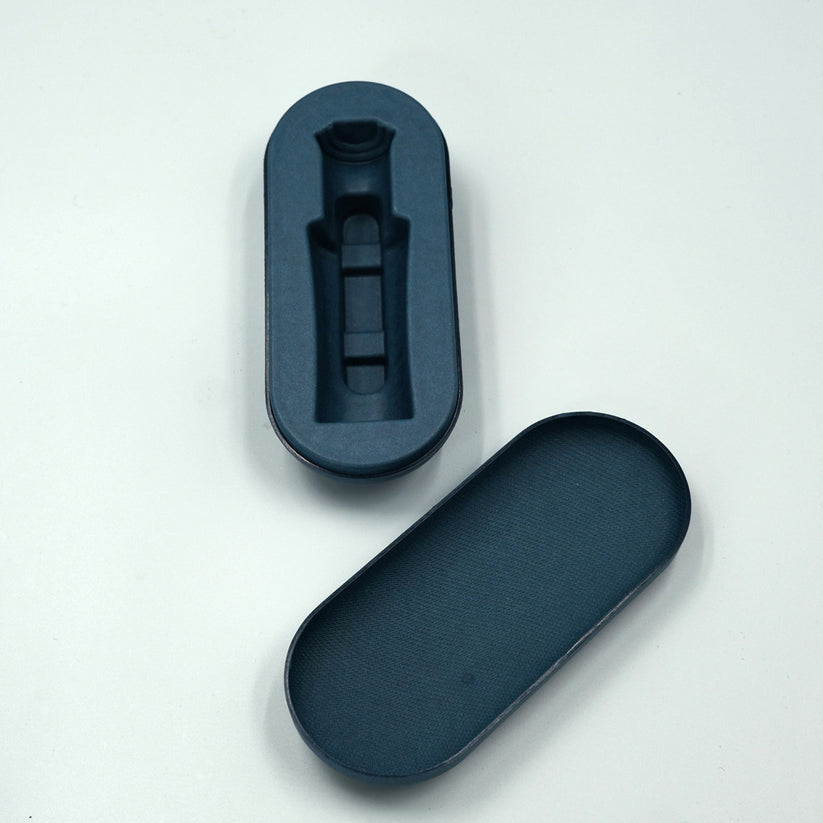
The modern perfume consumer demands beauty without guilt. They seek packaging that doesn't just complement the fragrance but also respects the planet. Enter eco-conscious designs that marry luxury with biodegradability. Imagine a sophisticated fragrance bottle packaging crafted from molded pulp derived from renewable bamboo fibers. Its natural texture mirrors the organic facets of a green tea and moss scent, while its end-of-life biodegradability aligns with contemporary values.
This ecological shift isn't about austerity but abundance—a richer, more responsible kind of opulence. Brands embracing this ethos report a 34% increase in customer loyalty, as ethically minded consumers gravitate toward brands whose values mirror their own. The table below illustrates how different scent families find harmony with sustainable materials:
| Scent Family | Traditional Materials</>Sustainable Alternatives | |
|---|---|---|
| Floral | Acrylic, PVC | Recycled paper with soy-based inks |
| Citrus | Polystyrene | Biodegradable PLA derived from corn starch |
| Woody | Virgin plastic | Molded pulp from sustainable forestry |
Future Fragrance Frontiers
The horizon of perfume packaging innovation stretches beyond material science. Smart packaging embedded with NFC chips now allows consumers to unlock digital scent stories—imagine hovering your phone over a bottle to hear the perfumer's inspiration or view sustainable sourcing details. Meanwhile, 3D-printed custom bottles enable personalization at scale, creating unique vessels that mirror the wearer's personality as distinctly as their chosen fragrance.
As we stand at this crossroads of sustainability and technology, the humble perfume package evolves into a multifaceted ambassador. It connects past traditions with future possibilities, transforms transactions into experiences, and wraps luxury in conscience. In this evolving landscape, brands that master the interplay between scent and sustainability will not only survive but thrive, leaving behind not just a trail of fragrance, but a legacy of responsible elegance.
