
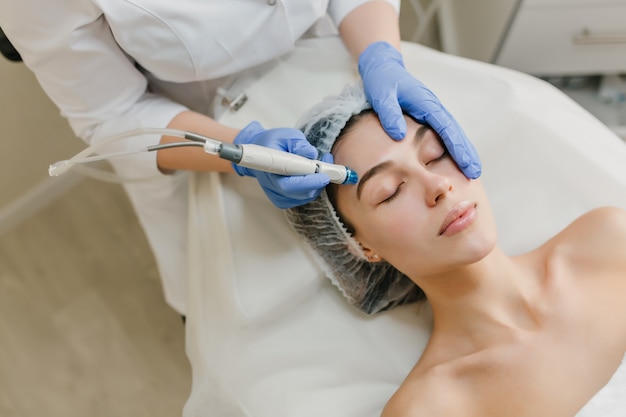
CC Now Health & Fitness Exploring the World of Medical Beauty: A Comprehensive Guide to Non-Surgical Aesthetic Treatments

Exploring the World of Medical Beauty: A Comprehensive Guide to Non-Surgical Aesthetic Treatments

The world of beauty is no longer limited to creams, serums, and makeup. Over the past few years, medical beauty has emerged as a transformative force in the world of aesthetics. Combining the expertise of medical professionals with cutting-edge technology, medical beauty offers an array of non-surgical treatments that are tailored to help individuals enhance their appearance, reduce signs of aging, and achieve a more confident look—all without the need for invasive surgeries.

The medical beauty industry has been growing rapidly, appealing to a broad demographic that desires noticeable, yet natural-looking results. In this article, we’ll delve into what medical beauty entails, why it’s gaining so much popularity, and explore some of the most popular treatments in the field.

What is Medical Beauty?

Medical beauty, also known as aesthetic medicine or cosmetic dermatology, involves non-invasive or minimally invasive procedures aimed at improving appearance. Unlike traditional beauty treatments, which may involve topical products, medical beauty procedures go beyond the surface to target skin issues, reduce signs of aging, and contour the body. These procedures are typically performed by trained healthcare professionals such as dermatologists, cosmetic surgeons, or licensed aestheticians.

The core of medical beauty is achieving results with minimal discomfort and downtime. It is ideal for those who want to rejuvenate their appearance, reduce facial lines, or address skin concerns without undergoing surgery.

The Rise in Popularity of Medical Beauty

There are several key factors contributing to the growing demand for medical beauty treatments:

1. Non-Invasive, Minimal Downtime

One of the primary attractions of medical beauty is that many treatments are non-invasive or minimally invasive, which means patients can avoid the risks and recovery times associated with traditional cosmetic surgery. Procedures such as Botox injections, dermal fillers, and laser skin resurfacing involve little to no downtime, allowing people to quickly return to their daily lives.

2. Desire for Subtle, Natural Results

The trend in medical beauty is shifting away from dramatic transformations to more subtle and natural-looking enhancements. People are increasingly looking for treatments that can refresh their appearance while still maintaining their unique features. Non-surgical treatments like Botox or dermal fillers help soften fine lines and restore facial volume in a way that appears natural, which is especially appealing for those hesitant about undergoing surgery.

3. Affordable Alternatives to Surgery

Surgical procedures, while effective, can be costly and often require long recovery periods. Medical beauty procedures, on the other hand, offer a more affordable alternative that still delivers impressive results. Many people find non-surgical treatments more budget-friendly and convenient, as they often require fewer visits and can be done on a lunch break or in between other daily activities.

4. Technological Advancements

Medical beauty has evolved thanks to constant advancements in medical technology. Newer and more effective treatments are developed regularly, helping to improve the quality and safety of these procedures. Tools like advanced lasers, radiofrequency machines, and injectable fillers allow for precise treatments that provide more lasting results with fewer side effects.

Popular Treatments in Medical Beauty

Medical beauty encompasses a wide variety of treatments that can target everything from skin texture to body contouring. Below are some of the most popular and widely practiced procedures:

1. Botox and Other Neurotoxins

Botox is the most well-known injectable in the world of medical beauty. It works by temporarily paralyzing the muscles responsible for wrinkle formation, leading to smoother, more youthful skin. Botox is commonly used to treat forehead lines, crow’s feet around the eyes, and frown lines between the eyebrows. Results typically appear within a few days and can last for three to six months.

Other neurotoxins, such as Dysport, Xeomin, and Jeuveau, are similar to Botox but may have slightly different formulations. These treatments are all designed to target wrinkles caused by muscle movement while preserving natural facial expressions.

2. Dermal Fillers

While Botox targets wrinkles caused by muscle contractions, dermal fillers focus on restoring volume to areas of the face that have lost fullness over time. Common areas for filler treatments include the cheeks, lips, under-eye hollows, and the jawline.

Hyaluronic acid fillers such as Juvederm and Restylane are widely used, as they mimic a natural substance found in the skin, providing hydration and volume. Results from dermal fillers are typically immediate and can last anywhere from six months to two years, depending on the type of filler used.

3. Laser Skin Treatments

Laser skin resurfacing is a popular treatment for improving the texture, tone, and appearance of the skin. Different types of lasers, such as fractional CO2 lasers and Erbium lasers, can be used to treat skin concerns such as wrinkles, sun damage, pigmentation issues, and scarring.

Laser treatments work by stimulating collagen production, helping the skin repair itself and giving it a smoother, more youthful appearance. Depending on the intensity of the treatment, patients may experience some downtime, but the results are often long-lasting.

4. Chemical Peels

Chemical peels use chemical exfoliants to remove dead skin cells and promote the regeneration of healthier skin. The strength of the peel can range from superficial to deep, with each level targeting specific concerns. Superficial peels are ideal for light skin discoloration, fine lines, and acne, while deep peels are used to treat more severe conditions like deep wrinkles and scarring.

Chemical peels work by removing damaged skin layers, allowing the skin to renew itself and improve in texture and appearance. A series of peels may be needed for optimal results.

5. CoolSculpting (Fat Freezing)

CoolSculpting, also known as cryolipolysis, is a non-invasive treatment designed to eliminate stubborn fat deposits. The process involves freezing fat cells, which are then naturally eliminated by the body. It’s commonly used on areas such as the abdomen, thighs, and flanks.

CoolSculpting is ideal for people who have localized fat pockets that resist diet and exercise. The procedure is safe and typically requires no downtime, with visible results emerging over several weeks to months.

6. Microneedling

Microneedling, or collagen induction therapy, involves using tiny needles to create micro-injuries in the skin. This stimulates the body’s healing response and promotes collagen and elastin production, leading to smoother, firmer skin. It is commonly used to treat acne scars, fine lines, wrinkles, and uneven skin texture.

Microneedling can also be combined with Platelet-Rich Plasma (PRP), also known as the Vampire Facial, to accelerate healing and enhance the rejuvenating effects.

Benefits of Medical Beauty

Medical beauty offers numerous advantages over traditional beauty treatments. Here are just a few of the key benefits:

2. Desire for Subtle, Natural Results

0

One of the main reasons medical beauty has become so popular is its ability to provide immediate results. Whether it’s plumper lips, smoother skin, or reduced fat, these treatments often deliver visible improvements after just one session.

2. Desire for Subtle, Natural Results

1

Unlike traditional cosmetic surgeries that require weeks of recovery, most medical beauty treatments come with minimal downtime. For example, Botox requires no recovery time, and patients can go back to work or their usual activities right away. Even more invasive treatments, like laser skin resurfacing, typically require only a few days of healing.

2. Desire for Subtle, Natural Results

2

Medical ultherapy 香港 treatments are highly customizable, which means that each treatment plan can be tailored to an individual’s unique needs and goals. Whether someone is looking to smooth wrinkles, sculpt their body, or treat specific skin conditions, medical beauty offers a wide variety of solutions.

2. Desire for Subtle, Natural Results

3

Many medical beauty treatments provide long-lasting results, with effects that can last from several months to a few years. For example, dermal fillers typically last between 6 months to 2 years, depending on the filler type and area treated.

The Future of Medical Beauty

The future of medical beauty is bright, with new advancements constantly being made in technology, product formulations, and treatment techniques. Innovations such as AI-powered diagnostics for customized treatments, bio-stimulatory injectables that promote natural tissue regeneration, and even more advanced non-invasive fat reduction technologies are on the horizon.

As more people seek non-surgical solutions for aesthetic enhancements, the demand for medical beauty is expected to continue to grow. It’s likely that more people will turn to medical beauty not just for cosmetic improvements but as part of a broader approach to self-care and wellness.

Conclusion

Medical beauty represents a growing and dynamic field within the aesthetics industry, offering a wide range of non-invasive treatments that deliver noticeable results. With minimal downtime, long-lasting effects, and the ability to enhance natural beauty, it’s easy to see why more and more people are opting for medical beauty treatments. Whether it's smooth, youthful skin, a more sculpted body, or enhanced facial features, medical beauty has something to offer everyone who wants to look and feel their best—without the need for surgery.
Leave a Reply

Your email address will not be published. Required fields are marked *

Related Post

La Manière Les Pharmacies Tracent Votre Moyen Pour Un Plus Grand Accès à Les Soins MédicauxLa Manière Les Pharmacies Tracent Votre Moyen Pour Un Plus Grand Accès à Les Soins Médicaux


Le développement technologique rapide a modifié de nombreux secteurs, et celui de la santé ne fait pas exception. Parmi les innovations les plus importants, l’émergence des pharmacies en ligne a changé la manière dont les patients obtiennent leurs médicaments et des conseils médicaux. En quelques années seulement, ces plateformes numériques sont devenues des partenaires clés dans l’univers de la santé, offrant une facilité sans précédent et un accès facile aux médicaments, tout en répondant aux exigences des consommateurs modernes en matière de service à distance.

Les pharmacies en ligne opèrent sur un modèle identique à celui des pharmacies traditionnelles, mais avec l’avantage d’être accessibles 24 heures sur 24, 7 jours sur 7, via une simple connexion Internet. Cela permet aux patients de acheter des médicaments prescrits, des produits de santé en libre accès, ainsi que des dispositifs médicaux, sans avoir à se rendre physiquement dans une pharmacie. Ce modèle offre une grande flexibilité, surtout pour ceux qui ont des horaires de travail chargés, qui vivent dans des zones rurales ou qui ont des difficultés de déplacement.

L’un des plus grands avantages des pharmacies en ligne est leur capacité à offrir des tarifs intéressants. Étant donné que les dépenses sont souvent plus bas que ceux des pharmacies physiques, elles peuvent proposer des produits à des tarifs plus abordables. De plus, certaines pharmacies en ligne offrent des réductions et des promotions spéciales, ce qui attire un large éventail de consommateurs soucieux de leur budget.

En outre, la discrétion et la discrétion sont des facteurs cruciaux dans la popularité croissante des pharmacies en ligne. Beaucoup de patients, en particulier ceux qui ont des problèmes de santé sensibles ou des troubles liés à la sexualité, préfèrent acheter leurs médicaments en ligne pour éviter l’embarras d’une discussion en personne avec un pharmacien ou d’autres clients. La possibilité d’acheter discrètement des produits de santé dans l’intimité de son foyer est donc un atout certain pour ces plateformes.

Cependant, malgré les bénéfices indéniables, l’achat de médicaments en ligne comporte certains dangers. La vente de médicaments contrefaits ou de produits non autorisés est un problème qui persiste dans certains coins du marché en ligne. C’est pourquoi il est crucial pour les consommateurs de s’assurer qu’ils achètent uniquement auprès de Tension artérielle en ligne certifiées et réglementées par les autorités sanitaires. En Europe, les pharmacies en ligne doivent être enregistrées et afficher un logo spécifique sur leur site, garantissant qu’elles respectent les normes de sécurité et de qualité des médicaments.

Par ailleurs, bien que les pharmacies en ligne facilitent l’achat de médicaments, il est essentiel de rappeler qu’elles ne peuvent pas remplacer une consultation médicale. Les médicaments doivent toujours être utilisés sous la supervision d’un professionnel de la santé pour éviter les risques de mauvaises utilisations ou d’interactions médicamenteuses dangereuses. De plus, certaines plateformes en ligne offrent des services de télémédecine, où un médecin peut fournir une prescription après une consultation virtuelle. Cela permet d’élargir l’accès aux soins, surtout dans des zones où l’accès aux médecins est limité.

En résumé, les pharmacies en ligne ont marqué un tournant important dans la manière dont les individus accèdent à leurs médicaments et à des produits de santé. Elles offrent une solution pratique et économique pour de nombreux patients, tout en mettant en avant des avantages tels que la discrétion et la disponibilité. Toutefois, les utilisateurs doivent être attentifs et s’assurer qu’ils choisissent des plateformes fiables et sûres pour garantir leur sécurité et leur bien-être.

Nonprofit Family Therapy Clinics What to ExpectNonprofit Family Therapy Clinics What to Expect

When a family faces a crisis—whether it’s a sudden illness, a divorce, or a child's behavioral shift—finding the right place to heal can feel overwhelming. Many parents look for a tone that feels both compassionate and cost‑effective, often turning to the phrase *family therapy near me*. In this context, nonprofit family therapy clinics emerge as a beacon of hope, offering services that blend clinical expertise with community‑driven values.

Why Nonprofit Clinics Matter for Family Mental Health

Nonprofit organizations differ from for‑profit practices in their mission‑centric approach. While a private clinic might prioritize revenue streams and insurance contracts, a nonprofit clinic channels its resources toward accessible family counseling and public service. This mission translates into lower overhead, which can reduce the cost of sessions and allow more families to receive the help they need.

According to the National Alliance on Mental Illness (NAMI), families in underserved communities report a 30% higher likelihood of accessing mental health services when they are offered through nonprofit or community‑based programs. When experts from the American Psychological Association (APA) review these results, they highlight how the collaborative atmosphere in such settings fosters trust and encourages open dialogue among family members.

Funding and Resources: How It Shapes Care

  • Grants and Donations — Many nonprofit clinics secure funds through federal grants, state allocations, and philanthropic contributions. These resources are earmarked for expanding outreach programs or subsidizing sessions.
  • Sliding‑Scale Fees — By tying payment to income, clinics can maintain affordability, ensuring that families who struggle financially are not left behind.
  • Volunteer Engagement — Professionals often volunteer time for workshops, support groups, or educational seminars, broadening the service spectrum without additional costs.

When families learn about these financial safeguards, they often feel a greater sense of security, which is itself a therapeutic benefit. The sense that their loved ones are not left to shoulder the burden of mental health costs can reduce anxiety and improve overall family well‑being.

Clinical Expertise: Evidence‑Based Interventions

Nonprofit family therapy clinics routinely employ clinicians who stay current with the latest research. For instance, many therapists use the *Emotionally Focused Family Therapy* (EFT) model, which the APA lists as a gold standard for couples and families. Studies from the Journal of Marital and Family Therapy have shown that EFT improves relationship satisfaction in 70% of participants after a 12‑session program.

In addition to EFT, clinics often integrate the *Family Systems Therapy* (FST) framework, especially for families dealing with chronic illness or substance abuse. FST emphasizes the interdependence of family members, helping to identify patterns that perpetuate distress. This holistic perspective aligns with the concept of *family mental health* as a dynamic process rather than isolated individual conditions.

Therapy for All Ages: A Lifespan Perspective

One hallmark of nonprofit family therapy clinics is their commitment to serving the entire family unit, from toddlers to grandparents. Pediatric psychologists within these settings bring developmental expertise, ensuring that the therapeutic interventions are age‑appropriate. For example, a 6‑year‑old struggling with school anxiety might receive a play‑based approach, while a teenager grappling with identity issues could engage in cognitive‑behavioral strategies.

Older adults, too, find support in programs tailored to address loneliness, caregiving stress, and the transition to retirement. By offering *therapy for all ages*, nonprofit clinics promote continuity of care and reduce the fragmentation that often occurs when different family members seek help from separate providers.

How to Identify a Quality Nonprofit Family Therapy Clinic

Finding the right clinic involves a mix of research, personal intuition, and practical logistics. Below is a structured approach to help families make informed choices.

1. Verify Nonprofit Status and Accreditation

Check the clinic’s registration with state agencies and confirm that it holds accreditation from bodies such as the Joint Commission or the Council on Social Work Education (CSWE). Accreditation signals adherence to rigorous quality standards and ongoing peer review.

2. Examine the Clinical Team’s Credentials

Investigate the degrees, licenses, and special training of therapists. Licensure from the state board, certifications in family therapy from the American Association for Marriage and Family Therapy (AAMFT), or board certification in behavioral health demonstrate professional rigor.

3. Explore the Scope of Services

  • Individual and Family Counseling — Sessions can be conducted in person or via secure telehealth platforms. The flexibility to meet in diverse settings reflects a commitment to community mental health.
  • Support Groups — Peer‑led groups for parents, siblings, or caregivers help reduce isolation.
  • Educational Workshops — Topics range from coping with grief to parenting strategies.

When clinics offer a mix of these services, families often experience a more cohesive healing process.

4. Look for Sliding‑Scale Options

Nonprofit clinics frequently employ a sliding‑scale fee structure that aligns with family income. Some even accept community health insurance plans or partner with Medicaid. Confirming these details upfront saves families from surprise bills and ensures that *affordable family therapy* remains a reality.

5. Assess Accessibility and Availability

Consider clinic hours, location, and transportation options. A family might need a clinic that offers evening appointments or is located near public transit. Additionally, many nonprofits provide family counseling services in multiple languages to accommodate diverse populations.

What to Expect During Your First Visit

The initial session often sets the tone for the therapeutic journey. While each clinic may have its unique process, the following elements are common.

Assessment and Goal Setting

During the first appointment, the therapist conducts a comprehensive intake. This includes gathering family history, identifying presenting concerns, and establishing measurable goals. The goal‑setting phase is collaborative; families are encouraged to voice their expectations and priorities.

Exploration of Family Dynamics

Therapists observe patterns of interaction that may contribute to distress. For example, a family might unknowingly reinforce conflict through repetitive blame cycles. By highlighting these dynamics, the therapist helps family members recognize and modify unhelpful patterns.

Introduction of Therapeutic Techniques

Depending on the family’s needs, the therapist may introduce specific interventions—such as *Emotionally Focused Family Therapy* or *Cognitive Behavioral Techniques*. Families typically receive a concise overview of how these methods will be applied, ensuring transparency and shared understanding.

Homework and Practice Plans

To reinforce progress between sessions, clinicians often assign simple exercises. These may include communication drills, journaling prompts, or family rituals designed to build cohesion. The homework serves as a bridge, keeping momentum alive outside the therapy room.

The Broader Impact: Family Therapy Benefits Beyond the Session

Empirical evidence consistently shows that family therapy can yield benefits that ripple across multiple life domains. A 2021 meta‑analysis published in the *Journal of Family Psychology* found that families who engaged in structured therapy reported significant improvements in:

  • Communication quality
  • Conflict resolution skills
  • Individual mental health outcomes
  • Overall relationship satisfaction

Moreover, families often report increased resilience when faced with future stressors. The therapeutic process cultivates a toolkit—mindfulness practices, assertive communication, and emotional regulation—that families can apply long after therapy concludes.

Community Mental Health: Extending Reach Beyond the Clinic

Nonprofit family therapy clinics frequently partner with schools, churches, and local health departments to promote mental health education. These collaborations help destigmatize therapy and expand access. For instance, a clinic might host a *family wellness fair* where parents learn about early warning signs of depression and where children can participate in stress‑relief activities.

Such outreach initiatives embody the philosophy of *community mental health*: that the well‑being of individual families contributes to the overall health of the broader community. By building networks of support, nonprofit clinics create a safety net that benefits everyone.

Financial Assistance and Grant Opportunities

Families often overlook the variety of financial aid options available. Many nonprofit clinics have dedicated staff to help navigate state and federal grant programs, ensuring that cost never becomes a barrier. Families can also apply for *community mental health* scholarships offered by local foundations.

Choosing the Right Location: Family Therapy Near Me

When searching for a clinic, consider the following practical factors:

  • Proximity to Home or Work — Short travel times reduce logistical stress.
  • Transportation Availability — Public transit or parking options can influence accessibility.
  • Clinic Hours — Evening or weekend appointments accommodate working parents.

Once a shortlist is created, arrange a brief consultation to gauge comfort levels. A supportive environment, where every family member feels heard, is a hallmark of quality supportive family therapy.

Beyond the Clinic: Building a Support System at Home

Therapy is most effective when complemented by consistent practices at home. Families can:

  • Establish daily routines that promote stability.
  • Schedule regular family meetings to discuss concerns.
  • Encourage open expression of emotions without judgment.
  • Model healthy coping strategies, such as breathing exercises or physical activity.

These habits reinforce the therapeutic gains and help families maintain progress over time.

Bridging the Gap Between Professional Care and Everyday Life

Nonprofit family therapy clinics serve as a bridge, connecting professional expertise with real‑world challenges. By offering affordable family therapy and *family counseling services* that are tailored to each family’s unique context, these clinics ensure that psychological support is not a luxury but a standard of care.

When families engage with these clinics, they are empowered to:

  • Recognize and address maladaptive patterns.
  • Develop communication skills that foster understanding.
  • Build resilience against future stressors.
  • Create a culture of compassion within the household.

Each session becomes a building block toward a healthier, more connected family system.

Looking Ahead: The Future of Nonprofit Family Therapy

Technological advancements are reshaping how therapy is delivered. Telehealth platforms allow families to connect with clinicians from the comfort of their homes, expanding reach to rural areas. Virtual support groups also create new spaces for shared experiences.

Additionally, emerging research into neuroplasticity and attachment theory suggests that early intervention can yield lasting benefits. Nonprofit clinics that stay aligned with these developments position themselves at the forefront of modern mental health care.

As the field evolves, the core mission remains unchanged: to provide compassionate, evidence‑based support to families in need.

Take Action: Start Your Journey Today

Family challenges are universal, but help is also universally available. For families seeking a supportive, affordable, and evidence‑grounded approach, nonprofit family therapy clinics offer a proven pathway to healing. By exploring local clinics, verifying credentials, and engaging in open communication, families can transform adversity into growth.

When ready to take the next step, consult a trusted provider or reach out to a local mental health organization. Together, you can build a stronger, healthier family foundation that stands the test of time.

Fuel Your Gains How To Pick Out The Right Add On For Your Fitness GoalsFuel Your Gains How To Pick Out The Right Add On For Your Fitness Goals

As you step into the worldly concern of supplements, it’s easy to get overwhelmed by the infinite options claiming to further your fitness goals. But before you shell out your hard-earned cash, take a step back and ask yourself: what are you really trying to attain? Are you looking to shed those spear carrier pounds, build lean musculus, or push your endurance to the next raze? By pinpointing your particular objectives, you’ll be able to cut through the noise and zero in on the yk11 that’ll truly fuel your gains. But where do you take up?

Identify Your Fitness Objectives

With a sea of supplements on the commercialize, it’s requirement to pinpoint exactly what you’re trying to attain before adding any to your regime.

You can’t just pick a append because it’s pop or your champion swears by it. You need to define your seaworthiness objectives to select the right supplement that will support your goals.

Are you trying to lose weight, establish muscle, or increase survival? Are you looking to boost your energy levels or heighten your mental focalise?

Whatever your goal, it’s crucial to identify it clearly. This will help you specialize down the type of affix you need and avoid wasting money on products that won’t the results you want.

Take some time to shine on your fitness travel.

What’re your strengths and weaknesses? What do you want to accomplish in the next 3-6 months? Be specific and realistic.

Write down your goals and traverse your get on. By doing so, you’ll be able to pick out a supplement that aligns with your objectives and maximizes your results.

Supplement Types for Different Goals

Your fitness objectives dictate the type of append you need.

Depending on your goals, you’ll want to take a append that aligns with your particular needs. For exemplify, if you’re trying to build muscle, you’ll want a protein powderize or creatine affix to help you find and grow.

If you’re aiming to lose weight, a fat burner or appetency suppressant might be the way to go.

If survival is your goal, consider a append that boosts your energy levels, such as beta-alanine or citrulline malate.

For improved mesomorphic performance, look for a append that enhances power and zip, like azotic oxide or L-carnitine.

If you’re focused on overall health and health, a multivitamin pill or Z-3 add on can help fill any nutritionary gaps in your diet.

Reading Labels Like a Pro

When you’re regular in face of a wall of supplements at your topical anaestheti health food put in, it can be overpowering.

With so many options, it’s necessary to know what to look for on the mark up to ensure you’re getting the right affix for your fitness goals.

Start by checking the fixings list. Look for the active voice ingredients that coordinate with your goals, and make sure they’re in effective doses. Be wary of proprietary blends, which can hide ineffectual doses or filler ingredients.

Next, the nourishment facts impanel to see to it the add on fits within your daily macronutrient needs.

Pay attention to the service size and add up of servings per container to keep off over or under-supplementing. Also, be witting of any allergens or sensitivities you may have and keep off supplements that contain them.

Finally, look for third-party certifications like NSF International or Informed-Choice, which guarantee the affix is free of contaminants and meets mark up claims.

Dosage and Timing Considerations

You’ve got the right add on in hand, but now it’s time to think about how to use it effectively.

Dosage and timing are crucial considerations that can make or break apart your supplement’s strength. Always keep an eye on the suggested dose on the label, and be wary of products that advocate inordinate amounts.

Taking too much of a add on can lead to blackbal side effects or interact with other medications you’re taking.

Timing is also critical. Some supplements, like pre-workout formulas, are premeditated to be taken before a physical exertion to advance energy and public presentation.

Others, like casein protein, are best taken before bedtime to subscribe musculus recovery during sleep out. Consider your fitness goals and docket your supplement consumption accordingly.

If you’re pickings doubled supplements, careen their intake to avoid imbrication effects. Finally, be consistent with your append routine to see optimal results.

Separating Hype From Real Results

Frequently, add on manufacturers make majestic claims about their products, likely marvelous results that often fail to materialize.

You’ve likely seen ads with before-and-after photos that seem too good to be true and they probably are. Don’t fall for the hype; instead, look for real results from credulous sources.

When researching a add on, you should scrub the net for nonpartizan reviews from users who’ve actually taken the product.

Look for reviews on duplex platforms, including social media, forums, and reexamine websites. Be wary of fake reviews, and take the average out view with a grain of salt.

You should also check if the producer has conducted any objective trials or studies to back up their claims. If they haven’t, it’s likely they’re concealing something.

Additionally, be cautious of products that predict overnight results or claim to be”the secret to” achieving your fitness goals. There’s no cutoff to succeeder, and any production that promises otherwise is likely just trying to separate you from your hard-earned cash.

Conclusion

You’ve got a understanding of your fitness goals and the supplements that can support them. Now, it’s time to put your noesis into sue. Remember to track your shape up, stay philosophical doctrine, and set your approach as needful. With a critical eye on labels, a grasp of dosage and timing, and a sharpen on your objectives, you’ll be able to fuel your gains and strain your full potency.

여성 고객을 위한 토닥이 맞춤형 마사지 서비스여성 고객을 위한 토닥이 맞춤형 마사지 서비스

여성의 라이프스타일이 다양해지면서 몸과 마음의 균형을 함께 관리하려는 수요도 꾸준히 증가하고 있다. 장시간 앉아서 일하는 직장인, 육아와 가사를 병행하는 주부, 학업과 아르바이트를 병행하는 학생까지 각기 다른 생활 패턴을 가진 여성들은 저마다 다른 피로와 긴장을 경험한다. 이러한 배경 속에서 여성 고객을 위한 토닥이 맞춤형 마사지 서비스는 개인의 컨디션과 요구를 고려한 세심한 케어를 제공하는 방식으로 관심을 받고 있다.

맞춤형 마사지 서비스의 가장 큰 특징은 획일적인 프로그램이 아니라 고객의 상태를 우선적으로 파악한 뒤 관리 방향을 결정한다는 점이다. 목과 어깨의 긴장, 허리의 피로, 종아리의 붓기, 전신의 근육 긴장 등 불편함을 느끼는 부위와 생활 습관을 종합적으로 고려해 보다 적합한 관리가 이루어진다. 이를 통해 고객은 자신의 몸 상태에 맞는 서비스를 받을 수 있으며, 만족도 또한 높아질 가능성이 크다.

여성 고객들은 편안하고 안정적인 환경을 중요하게 생각하는 경우가 많다. 조용한 공간, 청결하게 관리된 시설, 프라이버시를 존중하는 운영 방식은 서비스 품질을 결정하는 중요한 요소다. 여기에 고객의 의견을 충분히 반영하는 상담 과정이 더해지면 신뢰감이 높아지고, 보다 편안한 분위기에서 관리받을 수 있다. 작은 부분까지 배려하는 서비스는 단순한 마사지 이상의 긍정적인 경험으로 이어질 수 있다.

토닥이 맞춤형 마사지 서비스는 고객마다 다른 생활 리듬을 고려하는 유연성도 중요한 장점이다. 바쁜 직장인을 위한 짧은 관리 프로그램부터 충분한 휴식을 원하는 고객을 위한 여유로운 코스까지 다양한 선택지를 제공하면 개인의 일정에 맞춰 이용하기가 더욱 편리하다. 또한 방문 시간과 관리 강도를 고객의 선호에 맞게 조정할 수 있는 시스템은 이용 만족도를 높이는 데 도움이 된다.

마사지를 받을 때는 강한 압력이 항상 좋은 결과를 의미하는 것은 아니다. 사람마다 근육의 긴장도와 통증을 느끼는 정도가 다르기 때문에 적절한 압력과 섬세한 테크닉이 중요하다. 숙련된 관리사는 고객과 지속적으로 소통하며 압력의 강도와 관리 부위를 조절해 보다 편안한 경험을 제공한다. 이러한 맞춤형 접근은 불필요한 부담을 줄이고 심리적인 안정감까지 높이는 데 긍정적인 역할을 한다.

계절이나 생활 환경에 따라 몸의 상태는 계속 달라질 수 있다. 겨울에는 근육이 쉽게 긴장하고, 여름에는 냉방으로 인해 어깨나 허리의 불편함을 느끼는 경우가 많다. 장시간 스마트폰이나 컴퓨터를 사용하는 현대인의 생활 습관 역시 목과 손목의 피로를 유발할 수 있다. 맞춤형 마사지 서비스는 이러한 변화에 맞춰 관리 방향을 유연하게 조정함으로써 고객이 더욱 편안한 컨디션을 유지하도록 돕는다.

서비스를 선택할 때에는 가격만 비교하기보다 관리사의 전문성, 위생 관리 수준, 고객 응대 방식, 예약 시스템의 편리성 등을 함께 확인하는 것이 좋다. 이용 후기와 서비스 운영 방식도 참고하면 자신에게 적합한 프로그램을 선택하는 데 도움이 된다. 충분한 상담을 통해 자신의 건강 상태와 원하는 관리 방향을 전달하는 것도 만족도를 높이는 중요한 요소다.

최근에는 개인 맞춤형 웰니스 서비스에 대한 관심이 높아지면서 여성 고객을 위한 다양한 관리 프로그램이 함께 발전하고 있다. 단순히 피로를 해소하는 차원을 넘어 편안한 휴식과 심리적인 안정, 일상 속 활력을 위한 경험을 제공하는 방향으로 서비스의 가치가 확대되고 있다. 고객 중심의 세심한 상담과 안전하고 편안한 환경, 개인별 특성을 고려한 관리가 조화를 이룰 때 토닥이 맞춤형 마사지 서비스는 여성들이 보다 만족스럽게 이용할 수 있는 맞춤형 케어 서비스로 자리매김할 수 있다.
 

Post Treatment Care Tips From the Best Med Spa in AtlantaPost Treatment Care Tips From the Best Med Spa in Atlanta

Post-treatment care is essential for achieving the best results from your recent procedure. It’s not just about what you do in the office; how you care for your skin afterward can make a significant difference. Following your practitioner’s guidelines is key, but there are also specific steps you can take at home to enhance your recovery. Let’s explore the most effective strategies to support your skin’s healing journey.

Key Takeaways

  • Follow your practitioner’s post-treatment guidelines for optimal recovery and results.
  • Use a gentle cleanser and moisturizer to maintain skin hydration and cleanliness.
  • Apply broad-spectrum sunscreen daily to protect healing skin from UV damage.
  • Stay hydrated and incorporate nutrient-rich foods to support skin healing.
  • Attend all follow-up appointments to monitor recovery and address any concerns.

Understanding Your Treatment and Its Aftercare Requirements

Understanding your treatment and its aftercare requirements is crucial for a smooth recovery. You should have clear treatment expectations to help manage your healing timeline effectively.

Understanding your treatment and aftercare is vital for a smooth recovery and effective healing timeline management.

After your procedure, it’s essential to follow the guidelines provided by your practitioner. This includes avoiding sun exposure, using gentle products, and attending follow-up appointments.

Recognizing what to expect during your recovery can alleviate anxiety and ensure optimal results. Pay attention to any signs of complications and don’t hesitate to reach out to your provider with questions.

Your commitment to aftercare plays a vital role in achieving the best possible outcome from your treatment.

Essential Skincare Products to Use Post-Treatment

After your treatment, selecting the right skincare products is essential for promoting healing and enhancing results.

Here are four must-haves:

  1. Gentle Cleanser: Use a mild, non-irritating cleanser to keep your skin clean without stripping it of moisture.

  2. Moisturizer: Emphasize moisturizer importance; it hydrates and soothes your skin, aiding recovery.

  3. Sunscreen: Ensure sunscreen necessity by applying a broad-spectrum SPF to protect your healing skin from UV damage.

  4. Serum: Incorporate a nourishing serum to boost hydration and support skin repair.

Following these guidelines will help you achieve the best outcomes post-treatment.

Lifestyle Changes to Support Skin Healing

While using the right skincare products is a great start, making some lifestyle changes can significantly enhance your skin’s healing process.

Focus on diet adjustments by incorporating more fruits, vegetables, and healthy fats, which provide essential nutrients for skin repair. Reducing processed foods and sugar can also help minimize inflammation.

Additionally, prioritize your hydration habits; drinking plenty of water keeps your skin plump and promotes healing. Aim for at least eight glasses a day, and consider herbal teas for variety.

These changes can create a supportive environment for your skin, fostering quicker recovery and a healthier complexion.

Common Post-Treatment Reactions and How to Address Them

Following a skin treatment, it’s not uncommon to experience certain reactions that can vary from mild to more pronounced.

Post-treatment reactions can be common and may range from mild to more intense.

Here are some common post-treatment reactions and tips for addressing them:

  1. Redness Management: Apply a cool compress to soothe the Best Med Spa and reduce redness.

  2. Swelling Reduction: Elevate your head while resting to minimize swelling.

  3. Dryness Relief: Use a gentle moisturizer to keep your skin hydrated.

  4. Sensitivity Care: Avoid harsh products and direct sunlight to prevent irritation.

When to Seek Professional Advice for Your Skin

If you notice persistent or worsening symptoms after your skin treatment, it’s crucial to seek professional advice.

Don’t hesitate to reach out if you experience significant skin changes, such as increased redness, swelling, or unusual rashes. These could signal an adverse reaction or infection that requires timely intervention.

Regular professional consultations can help monitor your skin’s recovery and address any concerns you might have.

Remember, your skin’s health is paramount, and being proactive ensures you maintain the beautiful results of your treatment.

Always trust your instincts—if something feels off, it’s better to consult with an expert.

Conclusion

In conclusion, prioritizing post-treatment care is essential for achieving the best results. By following your practitioner’s guidelines, using the right skincare products, and making healthy lifestyle choices, you can significantly enhance your recovery. Stay attentive to your skin’s reactions and don’t hesitate to seek professional advice if something feels off. Remember, your skin deserves the best care, and with these tips, you’re on the right path to radiant, healthy skin.