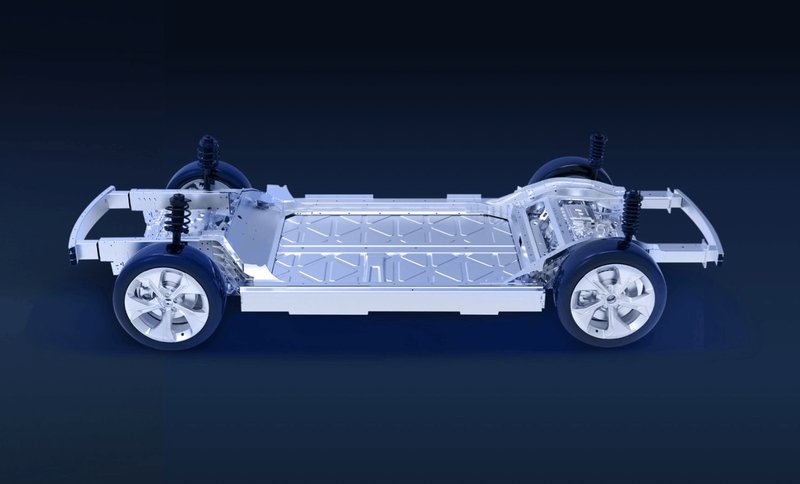
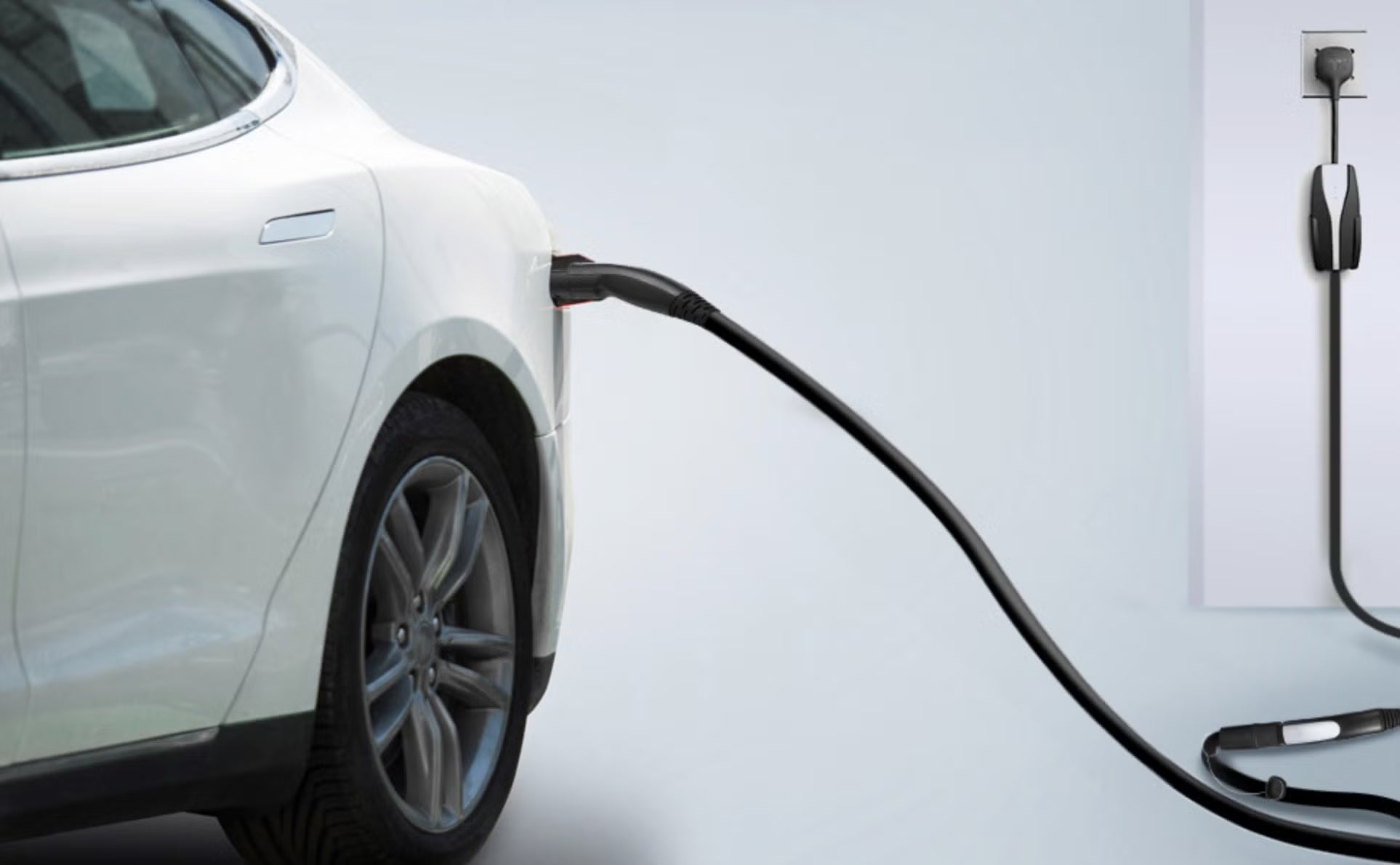
The rise of electric car vehicles(EVs) has changed how we and refuel. Unlike traditional cars, EVs rely on ev car charge stations stations rather than gas pumps, qualification access to effective, honest chargers essential. This steer explores the best car charging Stations, serving EV owners make knowing decisions.
1. Types of EV Charging Stations
Understanding the types of chargers is the first step for EV owners. There are three main categories:
Level 1 Chargers
Power: 120V standard menag outlet
Charging Speed: Adds 2-5 miles of straddle per hour
Best For: Overnight home charging or low-mileage commutes
Level 2 Chargers
Power: 240V, similar to boastfully appliances
Charging Speed: 10-60 miles of straddle per hour
Best For: Home, workplace, and world locations with moderate charging needs
DC Fast Chargers(Level 3)
Power: 400-800V, high-voltage direct current
Charging Speed: 60-200 miles of straddle in 20-40 minutes
Best For: Long-distance trip and high-speed charging requirements
2. Key Features to Consider in a Charging Station
When choosing a charging place, consider the following factors:
Compatibility: Ensure the courser supports your EV simulate and connective type(e.g., CCS, CHAdeMO, Tesla Supercharger).
Charging Speed: Faster chargers save time but may cost more. Balance hurry with convenience.
Location Accessibility: Look for stations near highways, workplaces, shopping centers, or your home.
Pricing and Memberships: Some networks need memberships or buck per kWh, while others offer free charging.
Network Reliability: Established networks often provide real-time handiness and app integrating.
3. Top EV Charging Networks
Here are the most trusty charging networks that every EV proprietor should know:
Tesla Supercharger Network
Coverage: Extensive, mostly in urban areas and along highways
Speed: Up to 250 kW, delivering a full shoot up in 30-40 minutes
Unique Feature: Seamless desegregation with Tesla navigation for trip planning
ChargePoint
Coverage: One of the largest networks globally
Speed: Level 2 and DC fast chargers available
Unique Feature: App-based send locater, reservation options, and vitality tracking
EVgo
Coverage: Over 1,000 fast-charging Stations across the U.S.
Speed: DC fast chargers up to 350 kW
Unique Feature: Focused on municipality and main road locations, suitable for long trips
Electrify America
Coverage: Nationwide, often near highways and retail hubs
Speed: Up to 350 kW fast chargers
Unique Feature: Transparent pricing and patronise expanding upon to improve accessibility
Blink Charging
Coverage: Expanding network across public and commercial message locations
Speed: Level 2 and DC fast chargers
Unique Feature: Mobile app for real-time station accessibility and payment
4. Tips for Efficient EV Charging
Plan Ahead: Use apps like PlugShare, ChargePoint, or A Better Routeplanner to find available Stations of the Cross.
Charge During Off-Peak Hours: This can tighten and help avoid jammed Stations of the Cross.
Use Home Charging Wisely: Install a Level 2 courser for quicker, expedient home charging.
Monitor Battery Health: Avoid shop deep discharges to sustain stamp battery life.
Keep Multiple Payment Options: Some Stations of the Cross may only accept particular card game or apps.
5. Future Trends in EV Charging
The EV charging industry is chop-chop evolving:
Ultra-Fast Charging: New stations offer 500 kW for near-instant charging.
Wireless Charging: Inductive pads allow charging without plugging in.
Smart Grids: Integration with inexhaustible energy and load direction for property charging.
Expanded Networks: Rural and underserved areas are more and more gaining get at to trusty charging stations.
6. Conclusion
For EV owners, choosing the right charging base is as momentous as picking the car itself. By understanding the types of chargers, key features, and top networks, you can maximise convenience, minimise downtime, and enjoy try-free driving. As technology evolves, staying au fait ensures you get the most efficient and cost-effective charging see.