
CC Now Health & Fitness Exploring the World of Medical Beauty: A Comprehensive Guide to Non-Surgical Aesthetic Treatments

Exploring the World of Medical Beauty: A Comprehensive Guide to Non-Surgical Aesthetic Treatments

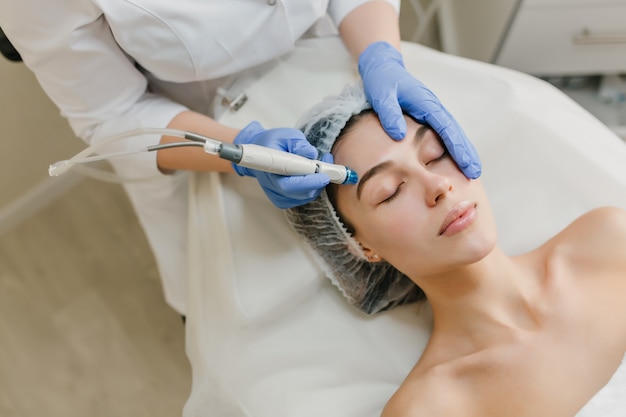
The world of beauty is no longer limited to creams, serums, and makeup. Over the past few years, medical beauty has emerged as a transformative force in the world of aesthetics. Combining the expertise of medical professionals with cutting-edge technology, medical beauty offers an array of non-surgical treatments that are tailored to help individuals enhance their appearance, reduce signs of aging, and achieve a more confident look—all without the need for invasive surgeries.

The medical beauty industry has been growing rapidly, appealing to a broad demographic that desires noticeable, yet natural-looking results. In this article, we’ll delve into what medical beauty entails, why it’s gaining so much popularity, and explore some of the most popular treatments in the field.

What is Medical Beauty?

Medical beauty, also known as aesthetic medicine or cosmetic dermatology, involves non-invasive or minimally invasive procedures aimed at improving appearance. Unlike traditional beauty treatments, which may involve topical products, medical beauty procedures go beyond the surface to target skin issues, reduce signs of aging, and contour the body. These procedures are typically performed by trained healthcare professionals such as dermatologists, cosmetic surgeons, or licensed aestheticians.

The core of medical beauty is achieving results with minimal discomfort and downtime. It is ideal for those who want to rejuvenate their appearance, reduce facial lines, or address skin concerns without undergoing surgery.

The Rise in Popularity of Medical Beauty

There are several key factors contributing to the growing demand for medical beauty treatments:

1. Non-Invasive, Minimal Downtime

One of the primary attractions of medical beauty is that many treatments are non-invasive or minimally invasive, which means patients can avoid the risks and recovery times associated with traditional cosmetic surgery. Procedures such as Botox injections, dermal fillers, and laser skin resurfacing involve little to no downtime, allowing people to quickly return to their daily lives.

2. Desire for Subtle, Natural Results

The trend in medical beauty is shifting away from dramatic transformations to more subtle and natural-looking enhancements. People are increasingly looking for treatments that can refresh their appearance while still maintaining their unique features. Non-surgical treatments like Botox or dermal fillers help soften fine lines and restore facial volume in a way that appears natural, which is especially appealing for those hesitant about undergoing surgery.

3. Affordable Alternatives to Surgery

Surgical procedures, while effective, can be costly and often require long recovery periods. Medical beauty procedures, on the other hand, offer a more affordable alternative that still delivers impressive results. Many people find non-surgical treatments more budget-friendly and convenient, as they often require fewer visits and can be done on a lunch break or in between other daily activities.

4. Technological Advancements

Medical beauty has evolved thanks to constant advancements in medical technology. Newer and more effective treatments are developed regularly, helping to improve the quality and safety of these procedures. Tools like advanced lasers, radiofrequency machines, and injectable fillers allow for precise treatments that provide more lasting results with fewer side effects.

Popular Treatments in Medical Beauty

Medical beauty encompasses a wide variety of treatments that can target everything from skin texture to body contouring. Below are some of the most popular and widely practiced procedures:

1. Botox and Other Neurotoxins

Botox is the most well-known injectable in the world of medical beauty. It works by temporarily paralyzing the muscles responsible for wrinkle formation, leading to smoother, more youthful skin. Botox is commonly used to treat forehead lines, crow’s feet around the eyes, and frown lines between the eyebrows. Results typically appear within a few days and can last for three to six months.

Other neurotoxins, such as Dysport, Xeomin, and Jeuveau, are similar to Botox but may have slightly different formulations. These treatments are all designed to target wrinkles caused by muscle movement while preserving natural facial expressions.

2. Dermal Fillers

While Botox targets wrinkles caused by muscle contractions, dermal fillers focus on restoring volume to areas of the face that have lost fullness over time. Common areas for filler treatments include the cheeks, lips, under-eye hollows, and the jawline.

Hyaluronic acid fillers such as Juvederm and Restylane are widely used, as they mimic a natural substance found in the skin, providing hydration and volume. Results from dermal fillers are typically immediate and can last anywhere from six months to two years, depending on the type of filler used.

3. Laser Skin Treatments

Laser skin resurfacing is a popular treatment for improving the texture, tone, and appearance of the skin. Different types of lasers, such as fractional CO2 lasers and Erbium lasers, can be used to treat skin concerns such as wrinkles, sun damage, pigmentation issues, and scarring.

Laser treatments work by stimulating collagen production, helping the skin repair itself and giving it a smoother, more youthful appearance. Depending on the intensity of the treatment, patients may experience some downtime, but the results are often long-lasting.

4. Chemical Peels

Chemical peels use chemical exfoliants to remove dead skin cells and promote the regeneration of healthier skin. The strength of the peel can range from superficial to deep, with each level targeting specific concerns. Superficial peels are ideal for light skin discoloration, fine lines, and acne, while deep peels are used to treat more severe conditions like deep wrinkles and scarring.

Chemical peels work by removing damaged skin layers, allowing the skin to renew itself and improve in texture and appearance. A series of peels may be needed for optimal results.

5. CoolSculpting (Fat Freezing)

CoolSculpting, also known as cryolipolysis, is a non-invasive treatment designed to eliminate stubborn fat deposits. The process involves freezing fat cells, which are then naturally eliminated by the body. It’s commonly used on areas such as the abdomen, thighs, and flanks.

CoolSculpting is ideal for people who have localized fat pockets that resist diet and exercise. The procedure is safe and typically requires no downtime, with visible results emerging over several weeks to months.

6. Microneedling

Microneedling, or collagen induction therapy, involves using tiny needles to create micro-injuries in the skin. This stimulates the body’s healing response and promotes collagen and elastin production, leading to smoother, firmer skin. It is commonly used to treat acne scars, fine lines, wrinkles, and uneven skin texture.

Microneedling can also be combined with Platelet-Rich Plasma (PRP), also known as the Vampire Facial, to accelerate healing and enhance the rejuvenating effects.

Benefits of Medical Beauty

Medical beauty offers numerous advantages over traditional beauty treatments. Here are just a few of the key benefits:

2. Desire for Subtle, Natural Results

0

One of the main reasons medical beauty has become so popular is its ability to provide immediate results. Whether it’s plumper lips, smoother skin, or reduced fat, these treatments often deliver visible improvements after just one session.

2. Desire for Subtle, Natural Results

1

Unlike traditional cosmetic surgeries that require weeks of recovery, most medical beauty treatments come with minimal downtime. For example, Botox requires no recovery time, and patients can go back to work or their usual activities right away. Even more invasive treatments, like laser skin resurfacing, typically require only a few days of healing.

2. Desire for Subtle, Natural Results

2

Medical ultherapy 香港 treatments are highly customizable, which means that each treatment plan can be tailored to an individual’s unique needs and goals. Whether someone is looking to smooth wrinkles, sculpt their body, or treat specific skin conditions, medical beauty offers a wide variety of solutions.

2. Desire for Subtle, Natural Results

3

Many medical beauty treatments provide long-lasting results, with effects that can last from several months to a few years. For example, dermal fillers typically last between 6 months to 2 years, depending on the filler type and area treated.

The Future of Medical Beauty

The future of medical beauty is bright, with new advancements constantly being made in technology, product formulations, and treatment techniques. Innovations such as AI-powered diagnostics for customized treatments, bio-stimulatory injectables that promote natural tissue regeneration, and even more advanced non-invasive fat reduction technologies are on the horizon.

As more people seek non-surgical solutions for aesthetic enhancements, the demand for medical beauty is expected to continue to grow. It’s likely that more people will turn to medical beauty not just for cosmetic improvements but as part of a broader approach to self-care and wellness.

Conclusion

Medical beauty represents a growing and dynamic field within the aesthetics industry, offering a wide range of non-invasive treatments that deliver noticeable results. With minimal downtime, long-lasting effects, and the ability to enhance natural beauty, it’s easy to see why more and more people are opting for medical beauty treatments. Whether it's smooth, youthful skin, a more sculpted body, or enhanced facial features, medical beauty has something to offer everyone who wants to look and feel their best—without the need for surgery.
Leave a Reply

Your email address will not be published. Required fields are marked *

Related Post

The Science of Skincare: How to Achieve Healthy, Glowing SkinThe Science of Skincare: How to Achieve Healthy, Glowing Skin

Skincare is a fundamental part of daily self-care, but it’s more than just applying products to your face—it’s about understanding how your skin works and what it needs to stay healthy. With a wide range of products and treatments available, it can be overwhelming to know where to start. This article will break down the science behind skincare, explain why specific ingredients work, and provide practical advice on how to build an effective skincare routine for your skin’s unique needs.

The Science Behind Healthy Skin

Your skin is not just a passive outer layer—it’s a complex organ with multiple layers and functions. It acts as a barrier, protecting your body from environmental factors like bacteria, pollution, and UV radiation. At the same time, it regulates temperature, prevents dehydration, and produces vitamin D when exposed to sunlight.

Skin is made up of several layers, with the outermost being the epidermis, followed by the dermis, and the deepest layer, the hypodermis (or subcutaneous tissue). The outer layer (epidermis) contains the skin cells that constantly shed and regenerate to create a fresh, smooth surface.

Your skin's health is determined by how well it can repair and regenerate, maintain its moisture balance, and protect itself from external damage. This is where a tailored skincare routine comes into play—by choosing the right products, you can support these natural processes and keep your skin looking youthful and radiant.

Key Skin Concerns and How to Address Them

Before diving into skincare products, it’s essential to understand common skin concerns. Each concern requires a different approach, depending on your 抗老精華推介 type and needs.

1. Acne

Acne occurs when hair follicles become clogged with oil, dead skin cells, and sometimes bacteria. This can lead to the formation of pimples, blackheads, and cysts.

  • Solution: Use products with ingredients like salicylic acid, which exfoliates the skin and unclogs pores, or benzoyl peroxide, which targets acne-causing bacteria. Consistent cleansing and spot treatments can also help.

2. Dry Skin

Dry skin occurs when your skin lacks moisture. This can result in rough patches, flakiness, and irritation.

  • Solution: Look for products that contain hyaluronic acid, which attracts moisture to the skin, or ceramides, which help repair the skin’s moisture barrier. Avoid harsh soaps, as they can strip the skin of its natural oils.

3. Hyperpigmentation

Hyperpigmentation occurs when excess melanin is produced, leading to dark spots or uneven skin tone. This can result from acne scars, sun exposure, or hormonal changes.

  • Solution: Use vitamin C to brighten dark spots and protect the skin from free radical damage. Niacinamide can also help reduce the appearance of dark spots and improve skin texture.

4. Signs of Aging (Wrinkles & Fine Lines)

As we age, the skin loses collagen and elasticity, leading to wrinkles, sagging, and thinning skin.

  • Solution: Incorporate retinol into your routine. Retinol stimulates collagen production, improves skin texture, and reduces the appearance of fine lines. Peptides can also help firm the skin and reduce the signs of aging.

5. Sensitive Skin

Sensitive skin reacts easily to products, leading to redness, irritation, and inflammation.

  • Solution: Opt for gentle, fragrance-free formulas with soothing ingredients like aloe vera, chamomile, or cucumber extract. Avoid products with alcohol or strong acids that can irritate sensitive skin.

The Essential Skincare Routine

A well-rounded skincare routine doesn’t need to be complicated. Consistency is key, and incorporating the right steps into your daily regimen will help maintain healthy, glowing skin. Here are the essential steps:

1. Cleansing

Cleansing removes dirt, oil, and makeup from the skin’s surface. It’s essential for preventing clogged pores and maintaining a fresh complexion. Choose a gentle cleanser that suits your skin type.

  • Oily Skin: Gel-based or foaming cleansers help remove excess oil.
  • Dry Skin: Opt for cream or oil-based cleansers to nourish the skin without stripping it of moisture.
  • Sensitive Skin: Look for fragrance-free, soothing cleansers with ingredients like aloe vera or chamomile.

2. Exfoliating

Exfoliation removes dead skin cells that can build up and cause dullness, clogged pores, and texture issues. Regular exfoliation can help reveal smoother, brighter skin.

  • Physical Exfoliants: Scrubs with beads or grains help slough off dead skin cells.
  • Chemical Exfoliants: AHAs (alpha-hydroxy acids) like glycolic acid and BHAs (beta-hydroxy acids) like salicylic acid exfoliate chemically by dissolving dead skin cells and unclogging pores.

Exfoliate 1–3 times a week depending on your skin’s needs. Over-exfoliating can lead to irritation and sensitivity.

3. Toning

Toners help balance the skin’s pH and remove any residual impurities after cleansing. Some toners also contain active ingredients to target specific skin concerns.

  • For Oily Skin: Choose toners with witch hazel or salicylic acid to control oil production and prevent breakouts.
  • For Dry Skin: Hydrating toners with ingredients like rose water or glycerin help maintain moisture balance.

4. Serums

Serums are concentrated formulas that target specific skin concerns like wrinkles, acne, or pigmentation. They’re packed with active ingredients that penetrate deeper into the skin to deliver visible results.

  • Vitamin C for brightening and protection.
  • Retinol for anti-aging and cell turnover.
  • Hyaluronic acid for deep hydration.

Apply serums after toning and before moisturizing for the best results.

5. Moisturizing

Moisturizing helps lock in hydration and repair the skin’s barrier. It’s crucial for maintaining a smooth, plump complexion.

  • Oily Skin: Opt for lightweight, gel-based moisturizers that won’t clog pores.
  • Dry Skin: Look for thicker, richer creams or oils to help restore moisture.
  • Sensitive Skin: Use fragrance-free, soothing moisturizers that reduce irritation.

2. Dry Skin

0

Sun protection is the most important step in preventing skin aging and damage. Sunscreen helps protect your skin from the harmful effects of UV rays, which can cause premature aging and increase the risk of skin cancer.

Apply broad-spectrum SPF 30 or higher daily, even on cloudy days. Reapply every two hours if you’re spending extended time outdoors.

Key Skincare Ingredients to Look For

Understanding the role of different skincare ingredients will help you choose the right products for your skin:

  • Retinol: A derivative of vitamin A, retinol speeds up cell turnover, reduces wrinkles, and treats acne.
  • Hyaluronic Acid: A powerful humectant that attracts moisture, making it ideal for hydration.
  • Vitamin C: An antioxidant that brightens the skin, evens out skin tone, and protects against environmental damage.
  • Niacinamide: Also known as vitamin B3, niacinamide reduces redness, improves skin texture, and minimizes pores.
  • Peptides: Amino acids that support collagen production and improve skin elasticity, helping to reduce wrinkles and sagging.
  • Salicylic Acid: A BHA that penetrates pores to exfoliate and fight acne.
  • Ceramides: Lipid molecules that help strengthen the skin barrier and lock in moisture.

Lifestyle Factors That Affect Your Skin

While skincare products play an important role, other factors like diet, stress, sleep, and exercise significantly affect your skin’s health. To support your skincare routine, try these lifestyle tips:

  • Hydrate: Drink plenty of water throughout the day to keep your skin hydrated from the inside out.
  • Eat a Balanced Diet: Consume a diet rich in antioxidants, vitamins, and omega-3 fatty acids, which help promote healthy, glowing skin.
  • Get Enough Sleep: Sleep allows your skin to repair and regenerate. Aim for 7-9 hours of quality sleep each night.
  • Exercise Regularly: Physical activity promotes blood circulation, helping deliver oxygen and nutrients to the skin.

Skincare Myths to Avoid

There are many misconceptions about skincare. Here are a few common myths debunked:

  • "You should feel a tingle for products to work": A tingling sensation isn’t a sign of effectiveness—it could be a sign of irritation.
  • "More expensive products are better": Price doesn’t always correlate with effectiveness. Focus on the ingredients, not the price tag.
  • "Oily skin doesn’t need moisturizer": Oily skin still requires hydration. Choose oil-free moisturizers that balance hydration without clogging pores.

Conclusion

Achieving healthy, glowing skin requires more than just slathering on products—it’s about understanding your skin’s needs, using the right ingredients, and maintaining consistency. By following a skincare routine tailored to your skin type and concerns, you can help your skin look its best. Remember, healthy skin is a reflection of how well you take care of it, both inside and out. So be patient, stay consistent, and embrace the journey toward your most radiant complexion.

Spoil In Raspberry Chickpeas: Sweet, Crunchy, And DeliciousSpoil In Raspberry Chickpeas: Sweet, Crunchy, And Delicious


In the ever-evolving world of snacks and sound eating, one combination is capturing hearts and smack buds everywhere: raspberry chickpeas. This delightful nosh merges the biological process world power of chickpeas with the sweetness, tart allure of raspberries, creating a treat that is as wholesome as it is overwhelming. Whether you’re a seaworthiness partizan, a busy professional, or plainly someone who loves a crisp, tasty nosh, raspberry chickpeas are a must-try Mexican Spiced Nuts.

The Magic of Chickpeas

Chickpeas, also known as chickpea beans, have been a dietary staple fibre for centuries, and for good reason. Packed with protein, fiber, vitamins, and minerals, they subscribe digestion, raise spirit wellness, and supply free burning vim. Unlike other nosh options that empale your blood sugar, chickpeas release energy tardily, holding you R. Buckminster Fuller for yearner. Their course nutty flavor also pairs absolutely with both sweetness and savoury ingredients, qualification them a varied base for fanciful nosh ideas.

Why Raspberries?

Raspberries bring a split of flavour and a host of wellness benefits to the postpone. These spirited berries are rich in antioxidants, vitamin C, and fiber. They struggle free radicals, promote the immune system of rules, and subscribe healthy skin. When concerted with chickpeas, raspberries don t just add a pop of colour they raise the biological process profile of the snack while gift it a course sweet and tart smack that s hard to resist.

The Crunch Factor

One of the reasons raspberry chickpeas have become so popular is their solid scraunch. Roasted chickpeas prepare a crispy outside while odd tenderise interior, creating a texture that is both fun and habit-forming. Coating them lightly with raspberry essence or raspberry powder not only adds sweet but also enhances the crunch with a subtle tang. Every bite delivers a hone musical harmony of crisp, sweetness, and slightly tart flavors.

Easy to Make at Home

One of the best things about raspberry chickpeas is how easy they are to train at home. With just a few ingredients, you can make a slew of these snacks that rivals stack away-bought versions in flavour and freshness. Here s a simple method:

Ingredients: Canned chickpeas, Olea europaea oil, raspberry powderize or freeze-dried raspberries, dearest or maple syrup, and a pinch of salt.

Preparation: Rinse and dry the chickpeas thoroughly. Toss them in olive oil, salt, and a touch down of love.

Roasting: Spread the chickpeas on a baking tray and ridicule at 400 F(200 C) for about 25 30 proceedings, shaking midway through.

Finishing Touch: Once roast, sprinkle the raspberry powder or unsmooth suspend-dried raspberries over the chickpeas while they re still warm to ensure they sting.

Cooling: Let them cool all before enjoying. This allows them to reach level bes crunchiness.

With negligible exertion, you get a snack that s perfect for mid-morning cravings, a sound dessert choice, or even a fresh salad superior.

Benefits of Raspberry Chickpeas

Beyond smack, this nosh offers twofold wellness benefits:

High in Protein: Perfect for vegetarians and vegans looking for set-based protein.

Rich in Fiber: Aids and helps exert a healthy gut.

Low in Calories: A guilty conscience-free pick compared to orthodox sugared snacks.

Antioxidant Boost: Raspberries help battle oxidative stress and inflammation.

Versatile: Ideal for snacking, baking hot, or adding to yogurt and oatmeal.

Perfect for Everyone

Raspberry chickpeas are a snack that appeals to a wide hearing. Fitness enthusiasts appreciate the protein-packed scraunch, while kids love the course sweetness flavor. Even particular eaters can t resist the of sweetness raspberries and tender chickpeas. Plus, they re gluten-free, vegan-friendly, and free from simulated additives, qualification them appropriate for almost any diet.

Tips for Maximum Flavor

To make your raspberry bush chickpeas truly irresistible, consider these tips:

Use Freeze-Dried Raspberries: They wield the berry s flavor without adding supernumerary wet.

Experiment with Spices: A- of or vanilla can enhance the sweetness of course.

Store Properly: Keep them in an tight to wield crunchiness for up to a week.

Conclusion

Raspberry chickpeas are more than just a snack they re a celebration of flavor, texture, and sustenance. Sweet, crisp, and wholesome, they volunteer a guilt feelings-free self-indulgence that fits seamlessly into a sound modus vivendi. Whether enjoyed straight from the oven, added to a bowl of yogurt, or carried along for a noon energy encourage, these little gems prove that healthy feeding can also be delicious. So the next time you re something sweetness and crisp, strive for a smattering of raspberry chickpeas you won t be foiled.

De Werkelijke Functie Met Betrekking Tot Cannabis In Moderne Alternatief Therapie Bovendien Van Holistische GenezingDe Werkelijke Functie Met Betrekking Tot Cannabis In Moderne Alternatief Therapie Bovendien Van Holistische Genezing


Cannabis, ook wel bekend als hennep of wiet, is een plant die al duizenden jaren wordt gebruikt voor diverse doeleinden, variërend van medicinaal gebruik tot spirituele rituelen en ontspanning. In de laatste decennia is cannabis internationaal een onderwerp van intensief debat geweest, waarbij sociale, politieke en medische standpunten voortdurend zijn geëvolueerd. Wat ooit universitair werd gezien als een verboden en gevaarlijke drug, wordt vandaag de dag in steeds meer landen geaccepteerd als een waardevol hulpmiddel binnen de medische wereld, en zelfs als een mogelijke winstgevende economische bron binnen de legale industrie. In Nederland neemt cannabis een bijzondere positie in, mede dankzij het gedoogbeleid dat al sinds de jaren zeventig wordt gehanteerd. Coffeeshops mogen cannabis aanbieden onder strikte, terwijl de teelt en groothandel nog steeds strafbaar zijn. Deze paradox heeft geleid tot de zogenaamde “achterdeurproblematiek”, waarbij de distributie aan de voorkant wordt gedoogd, maar de bevoorrading illegaal blijft. Ondanks deze grijze zone blijft Nederland internationaal bekend als een van de meest tolerante landen ten aanzien van cannabisgebruik.

Behalve hobbygebruik groeit de interesse voor de therapeutische toepassingen van cannabis snel. Wetenschappelijk onderzoek heeft aangetoond dat bepaalde werkzame stoffen in cannabis, zoals THC en CBD, een positief effect kunnen hebben op patiënten met aandoeningen zoals chronische pijn, epilepsie, MS en zelfs bepaalde vormen van kanker. CBD, de niet-bijwerkingen veroorzakende stof in cannabis, wint vooral aan bekendheid vanwege de ontstekingsremmende en ontspannende eigenschappen, zonder het ‘high’ gevoel dat THC veroorzaakt. In Nederland is medicinale cannabis sinds 2004 verkrijgbaar via apotheken, op voorschrift van een arts, wat een belangrijke stap was richting de normalisering van het gebruik ervan binnen de gezondheidszorg. Toch blijft de discussie over legalisering en regulering actueel, zeker nu landen als Canada, Uruguay en verschillende Amerikaanse staten cannabis volledig hebben gelegaliseerd voor zowel medisch als recreatief gebruik. Critici vrezen een toename van afhankelijkheid, psychische klachten en verkeersincidenten, terwijl voorstanders wijzen op de economische voordelen, afname van criminaliteit en betere controle op de zuiverheid van het product. De toekomst van cannabis lijkt dan ook sterk afhankelijk van wetenschappelijk onderzoek, maatschappelijke goedkeuring en politieke besluitvorming. Wat echter onmiskenbaar is, is dat de houding ten opzichte van weed brownies drastisch is veranderd, en dat er steeds meer ruimte komt voor nuance, educatie en gecontroleerd gebruik. Of cannabis nu gezien wordt als therapeutisch middel, recreatief middel of economische mogelijkheid, het is duidelijk dat deze plant een blijvende plaats inneemt in het publieke discussie en het dagelijks leven. De komende jaren zullen cruciaal zijn in het bepalen van hoe wij als samenleving met cannabis omgaan, en of we in staat zijn om een evenwicht te vinden tussen zelfbeschikking, gezondheid en verantwoordelijkheid.

Dispensary Cannabis A Complete Buyer’s ChecklistDispensary Cannabis A Complete Buyer’s Checklist

Walking into a cannabis dispensary can be both exciting and overwhelming. The shelves are stocked with countless strains, edibles, concentrates, and tinctures, all promising unique effects and experiences. Whether you’re a first-time buyer or a seasoned user exploring new products, knowing what to look for before making a purchase can save you time, money, and frustration. A little preparation goes a long way when it comes to selecting quality cannabis.

Here’s a complete buyer’s checklist to help you navigate dispensaries with confidence and leave with products that meet your needs and expectations.

1. Verify the Dispensary’s Legitimacy

The first item on your checklist should be ensuring the dispensary is licensed and reputable. A licensed dispensary follows strict safety and quality regulations, including mandatory lab testing for contaminants like pesticides, mold, and heavy metals.

Check for:

  • Valid licensing displayed in-store or online.

  • Positive customer reviews on Google, Leafly, or Weedmaps.

  • Transparent policies about product sourcing and testing.

Avoid purchasing from unlicensed vendors. While they might be cheaper, there’s no guarantee of quality or safety.

2. Know Your Goals

Before entering a dispensary, ask yourself why you want to use cannabis. Are you seeking relaxation, stress relief, pain management, or a recreational high? Knowing your goals helps you choose the right product type, potency, and strain.

  • Relaxation or sleep: Look for indica strains or high-CBD options.

  • Energy and focus: Sativa strains often deliver uplifting and motivating effects.

  • Balanced experience: Hybrids combine the effects of both indica and sativa strains.

Having a clear goal makes it easier for dispensary staff, or budtenders, to guide you toward products that suit your needs.

3. Explore Product Types

Cannabis comes in various forms, each with its own onset time and experience. Your checklist should include a review of these options:

  • Flower (bud): The classic option for smoking or vaping. Effects are quick and often strong.

  • Pre-rolls: Ready-to-use joints, convenient and easy for beginners.

  • Edibles: Gummies, chocolates, or baked goods that take longer to kick in but provide longer-lasting effects.

  • Concentrates: Highly potent extracts like wax, shatter, or oils, ideal for experienced users.

  • Tinctures: Liquid extracts taken under the tongue for precise dosing and fast absorption.

  • Topicals: Creams and balms infused with cannabinoids for targeted relief without a psychoactive effect.

Consider your lifestyle and how you plan to consume cannabis before making a choice.

4. Check Lab Results and Labeling

A trustworthy dispensary will provide lab-tested products. Look for:

  • THC and CBD content: Know the potency of your product.

  • Terpene profile: Determines aroma, flavor, and some effects.

  • Testing certification: Confirms the product is free from harmful substances.

Lab results should be accessible, either on the packaging or online. Avoid products without clear testing information.

5. Ask Questions

Budtenders are your best resource for making informed decisions. Don’t hesitate to ask:

  • What strains are best for relaxation or focus?

  • How strong is this product, and what dosage is recommended?

  • Are there any new or popular products worth trying?

  • How should I store this product for maximum freshness?

A good budtender will listen to your needs, provide recommendations, and ensure you leave satisfied.

6. Consider Price vs. Quality

While it’s tempting to go for the cheapest option, quality matters. High-quality recreational dispensary near me is often grown under better conditions and undergoes rigorous testing. That said, many dispensaries offer deals, bundles, or loyalty programs that make premium products more affordable. Balance price with quality and value rather than choosing solely based on cost.

7. Start Slow and Track Your Experience

Especially for beginners or when trying a new product, it’s important to start with a low dose and wait to see how your body reacts. Keep a simple journal:

  • What product did you use?

  • How much did you consume?

  • How did it make you feel?

Tracking your experiences helps refine your choices over time and ensures a safer, more enjoyable experience.

8. Store Cannabis Properly

Proper storage preserves the potency, flavor, and freshness of your cannabis. Use an airtight container in a cool, dark place away from moisture and sunlight. Avoid storing in plastic bags or open containers, as this can degrade quality over time.

Final Thoughts

Buying cannabis from a dispensary doesn’t have to be confusing or stressful. By following this complete buyer’s checklist, you can make informed choices, enjoy a safer experience, and get the most out of your purchase. From verifying dispensary legitimacy to exploring product types, checking lab results, and starting slow, each step ensures you leave with cannabis that fits your goals and lifestyle.

Dispensaries offer more than just cannabis—they provide guidance, education, and a chance to explore new products safely. Use this checklist as your roadmap, and every visit can be a confident, enjoyable, and personalized experience.

집에서 마사지 트리거 포인트 볼로 근육 통증을 완화하는 방법집에서 마사지 트리거 포인트 볼로 근육 통증을 완화하는 방법

마사지 볼은 트리거 포인트 테라피를 위한 놀라운 도구가 될 수 있습니다. 마사지 테라피는 통증을 줄이거나 없애고, 운동 범위를 늘리고, 혈류를 개선하고, 아프거나 긴장된 근육에서 회복하는 데 도움이 될 수 있습니다.

전문적인 딥 티슈 마사지를 받아본 적이 있다면, 안도감을 주는 좋은 고통을 알고 있을 것입니다. 마사지를 받을 수 없을 때, 마사지 볼은 오피뷰 치료사가 만들어내는 압력을 흉내 내는 좋은 도구입니다.

꾸준히 스트레칭을 하는 것과 마찬가지로, 마사지 볼을 이용하는 것도 자기 회복에 좋습니다.

마사지 볼을 사용하는 방법

운동 부위에 따라 손을 이용해 아픈 근육 위로 공을 굴릴 수도 있고, 공 위에 앉거나 누워 있을 수도 있고, 벽과 몸 사이에 공을 둘 수도 있습니다.

  • 통증과 긴장을 유발하는 부위의 근막과 근육을 따뜻하게 하기 위해 공을 원을 그리듯 부드럽게 움직여 시작하십시오.
  • 통증이 있는 부위를 찾으면 가볍게 앞뒤로 굴립니다(약 2-3인치)
  • 그런 다음 통증이 있는 부위에서 멈추고 약 30초 동안 또는 통증이 사라질 때까지 적당한 압력을 가하십시오(최대 2분 동안 유지).
  • 압력을 유지하는 동안 심호흡을 하여 근육에 산소를 공급하고 근육이 이완되도록 돕습니다.
  • 그런 다음 공을 부드럽게 원을 그리며 움직여 해당 부위를 씻어내세요.

주의

  • 감각마비, 따끔거림 또는 과도한 통증을 느끼면 중단하십시오.
  • 관절이나 뼈를 누르지 마세요
  • 척추 밑에 두지 마세요

마사지 볼 운동

엉덩이가 팽팽하면 허리와 엉덩이 부위에 통증과 불편함을 유발할 수 있습니다.

  1. 마사지 볼을 벽과 엉덩이의 두꺼운 부분 사이에 두고 등을 벽에 기대고 서십시오.
  2. 부드러운 지점을 찾을 때까지 위아래로 좌우로 움직이십시오.
  3. 무게를 벽에 실어 공이 해당 부위에 압력을 가할 수 있도록 하세요.
  4. 30초 동안 또는 통증이 가라앉을 때까지 이것을 유지하십시오.
  5. 반대쪽에서도 반복하세요

긴장된 햄스트링 – 앉아 있는 시간이 증가함에 따라. 이는 엉덩이, 무릎 또는 허리 통증에 기여할 수 있으며, 움직임 패턴을 손상시킬 수 있습니다.

 
  1. 다리를 늘어뜨릴 수 있을 만큼 땅에서 높은 딱딱한 의자에 앉으세요. 마사지 볼을 허벅지 아래에 놓고 부드러운 부위를 찾을 때까지 움직이세요.
  2. 몸을 앞으로 숙이고 팔과 체중을 허벅지에 올려놓으세요.
  3. 천천히 무릎을 30초간 뻗고 구부립니다.
  4. 필요에 따라 공을 움직이고 반복하세요

긴장된 상체와 어깨 – 과도한 사용으로 인한 스트레스와 통증을 견뎌내는 공통적인 부위

  1. 벽과 상체 사이에 마사지 볼을 두고 등을 벽에 기대고 서십시오. 볼을 척추 한쪽에 위치시키십시오.
  2. 부드러운 지점을 찾을 때까지 모든 방향으로 움직이십시오.
  3. 벽에 체중을 실은 후 손을 가슴 위로 교차합니다.
  4. 천천히 위아래로 계속 움직이면서 매듭이나 통증이 있는 부위를 마사지하세요.
  5. 반대쪽에서도 반복하세요

가슴이 답답하다 – 자세가 나빠지고 목과 허리 통증이 생길 수 있습니다.

  1. 벽이나 문 가장자리를 향해 서십시오.
  2. 겨드랑이 근처 가슴 근육에 마사지 볼을 올려 놓으세요.
  3. 벽 가장자리를 지나 앞으로 몸을 기울여 천천히 공을 가슴과 어깨 부위로 굴립니다.
  4. 부드러운 부위를 찾으면 그 자세로 이완하세요. 벽 위아래로 팔을 밀어서 추가적인 이점을 얻을 수 있습니다. 작은 원을 그리며 천천히 계속 움직여 해당 부위를 부드럽게 마사지하세요.
  5. 반대쪽에서도 반복하세요

발 (발바닥 근막염) – 발바닥에 통증을 유발합니다.

  1. 발을 바닥에 짚고 편안하게 앉으세요
  2. 마사지 볼을 발 아치 아래에 놓습니다.
  3. 앞으로 몸을 기울여 영향을 받는 쪽에 체중을 실으세요. 발의 아치를 따라 공을 천천히 앞뒤로 굴리세요.
  4. 30~60초간 계속하세요
  5. 필요한 경우 반대쪽에서도 반복하세요
  6. 근육의 긴장을 풀어주는 것은 통증을 줄일 수 있는 주요 이유 중 하나입니다. 또한 혈류를 자극함으로써 신선한 영양소가 해당 부위로 유입되고 대사성 폐기물이 제거됩니다. 이 역시 통증을 줄이는 데 도움이 됩니다. 관절의 정상적인 움직임을 회복하는 것도 통증을 줄이는 데 도움이 됩니다.
    부상에서 회복하다
    근육 부상이 있는 경우 심부 조직 마사지는 확실히 치료에 역할을 할 수 있습니다. 조심스럽게 압력을 가하고, 관절을 움직이고, 연조직이 치유되도록 격려하는 것이 치료의 효과가 될 수 있습니다. 부상이 오래되었고 흉터 조직이 있는 경우 이 요법은 흉터 조직을 분해하는 데 도움이 될 수 있으며 해당 부위가 정상적인 기능으로 돌아가는 데 도움이 될 수 있습니다.
    자세 근육 경직
    근육 경직과 긴장은 잘못된 자세와 매우 흔히 연관됩니다. 이 경직이 지속되고 만성화되면, 감소된 운동성과 통증 또는 관련된 불편함이 삶의 질과 즐거움 수준에 엄청난 영향을 미칠 수 있습니다. 따라서 이러한 유형의 문제를 해결하는 데 도움이 되는 치료를 고려하고 더 나은 정렬된 자세의 자유를 즐기세요.