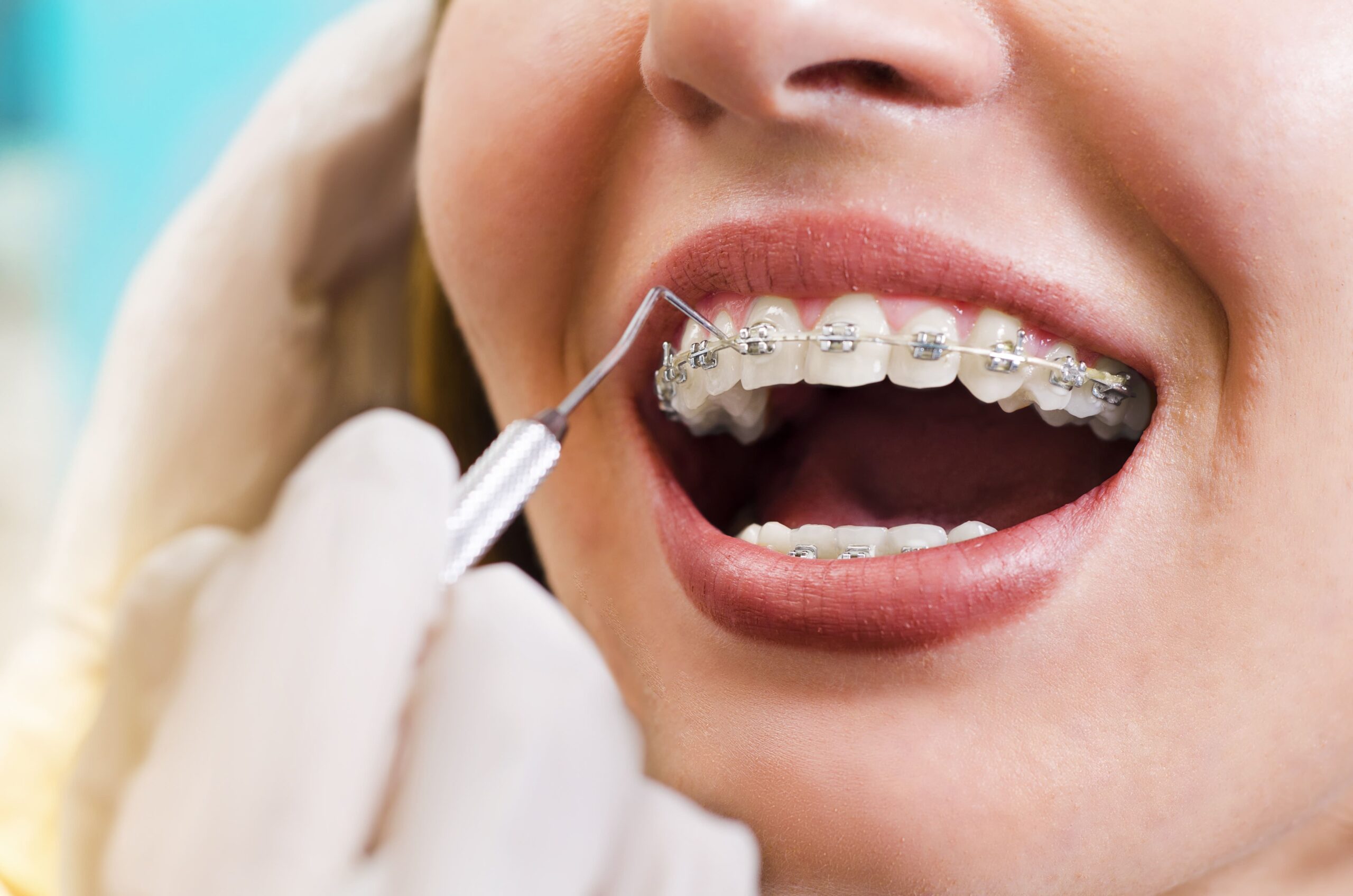
CC Now Health & Fitness Ihr Zahnarzt Im 10. Bezirk – Sanfte Zahnversorgung

Ihr Zahnarzt Im 10. Bezirk – Sanfte Zahnversorgung


Zahnarzt 10. Bezirk gewährleistet Sanfte Zahnversorgung für die ganze Familie. Unser Team kombiniert hochspezialisierte Fachkenntnisse mit modernster Technik, damit Ihr Lächeln langfristig erhalten bleibt.

Von der Routinekontrolle bis zu komplexen Eingriffen garantiert Ihr Zahnarzt im 10. Bezirk zu Ihrer Verfügung. Dabei legen wir wir besonderen Wert auf eine sanfte Behandlung, die Vertrauen schafft.

Unser Konzept liegt in regelmäßige Kontrollen, um Probleme rechtzeitig behandelt werden. Mit fortlaufender Betreuung lassen sich schmerzhafte Behandlungen vermeiden, sodass Sie langfristig zufrieden sind.

Ihr Zahnarzt im 10. Bezirk im 10. Bezirk setzt ein auf hochwertige Werkstoffe, um funktionale Lösungen erreicht werden. Von Kronen und Brücken über Zahnaufhellung erhalten jeder Besucher maßgeschneiderte Behandlungen.

Ihr Zahnarzt im 10. Bezirk setzt auf Patientenorientierung, damit jeder Termin stressfrei gestaltet wird. Unsere Mission ist es, dass Sie sich wohlfühlen, und gleichzeitig Ihre Zahngesundheit optimal versorgt wird.

Zahnarzt 10. Bezirk führt persönliche Gespräche, so dass jeder genau weiß, welche Behandlung sinnvoll ist. Es wird Wert gelegt auf Ihre Vorstellungen, damit jeder Therapieplan individuell entwickelt wird.

Ein Besuch bei Ihrem Zahnarzt im 10. Bezirk unterstützt langfristige Zahngesundheit, sondern auch angenehm. Die Praxisumgebung ermöglichen eine angenehme Erfahrung, die Behandlung erleichtert.

Ihr Zahnarzt im 10. Bezirk verbindet Fachkompetenz mit menschlicher Wärme, um jeder Klient ein strahlendes Lächeln profitieren kann. Sanfte Zahnversorgung steht im Vordergrund, sodass Ihre Mundgesundheit bestmöglich gepflegt wird.

Leave a Reply

Your email address will not be published. Required fields are marked *

Related Post

Dispensary Cannabis A Complete Buyer’s ChecklistDispensary Cannabis A Complete Buyer’s Checklist

Walking into a cannabis dispensary can be both exciting and overwhelming. The shelves are stocked with countless strains, edibles, concentrates, and tinctures, all promising unique effects and experiences. Whether you’re a first-time buyer or a seasoned user exploring new products, knowing what to look for before making a purchase can save you time, money, and frustration. A little preparation goes a long way when it comes to selecting quality cannabis.

Here’s a complete buyer’s checklist to help you navigate dispensaries with confidence and leave with products that meet your needs and expectations.

1. Verify the Dispensary’s Legitimacy

The first item on your checklist should be ensuring the dispensary is licensed and reputable. A licensed dispensary follows strict safety and quality regulations, including mandatory lab testing for contaminants like pesticides, mold, and heavy metals.

Check for:

  • Valid licensing displayed in-store or online.

  • Positive customer reviews on Google, Leafly, or Weedmaps.

  • Transparent policies about product sourcing and testing.

Avoid purchasing from unlicensed vendors. While they might be cheaper, there’s no guarantee of quality or safety.

2. Know Your Goals

Before entering a dispensary, ask yourself why you want to use cannabis. Are you seeking relaxation, stress relief, pain management, or a recreational high? Knowing your goals helps you choose the right product type, potency, and strain.

  • Relaxation or sleep: Look for indica strains or high-CBD options.

  • Energy and focus: Sativa strains often deliver uplifting and motivating effects.

  • Balanced experience: Hybrids combine the effects of both indica and sativa strains.

Having a clear goal makes it easier for dispensary staff, or budtenders, to guide you toward products that suit your needs.

3. Explore Product Types

Cannabis comes in various forms, each with its own onset time and experience. Your checklist should include a review of these options:

  • Flower (bud): The classic option for smoking or vaping. Effects are quick and often strong.

  • Pre-rolls: Ready-to-use joints, convenient and easy for beginners.

  • Edibles: Gummies, chocolates, or baked goods that take longer to kick in but provide longer-lasting effects.

  • Concentrates: Highly potent extracts like wax, shatter, or oils, ideal for experienced users.

  • Tinctures: Liquid extracts taken under the tongue for precise dosing and fast absorption.

  • Topicals: Creams and balms infused with cannabinoids for targeted relief without a psychoactive effect.

Consider your lifestyle and how you plan to consume cannabis before making a choice.

4. Check Lab Results and Labeling

A trustworthy dispensary will provide lab-tested products. Look for:

  • THC and CBD content: Know the potency of your product.

  • Terpene profile: Determines aroma, flavor, and some effects.

  • Testing certification: Confirms the product is free from harmful substances.

Lab results should be accessible, either on the packaging or online. Avoid products without clear testing information.

5. Ask Questions

Budtenders are your best resource for making informed decisions. Don’t hesitate to ask:

  • What strains are best for relaxation or focus?

  • How strong is this product, and what dosage is recommended?

  • Are there any new or popular products worth trying?

  • How should I store this product for maximum freshness?

A good budtender will listen to your needs, provide recommendations, and ensure you leave satisfied.

6. Consider Price vs. Quality

While it’s tempting to go for the cheapest option, quality matters. High-quality recreational dispensary near me is often grown under better conditions and undergoes rigorous testing. That said, many dispensaries offer deals, bundles, or loyalty programs that make premium products more affordable. Balance price with quality and value rather than choosing solely based on cost.

7. Start Slow and Track Your Experience

Especially for beginners or when trying a new product, it’s important to start with a low dose and wait to see how your body reacts. Keep a simple journal:

  • What product did you use?

  • How much did you consume?

  • How did it make you feel?

Tracking your experiences helps refine your choices over time and ensures a safer, more enjoyable experience.

8. Store Cannabis Properly

Proper storage preserves the potency, flavor, and freshness of your cannabis. Use an airtight container in a cool, dark place away from moisture and sunlight. Avoid storing in plastic bags or open containers, as this can degrade quality over time.

Final Thoughts

Buying cannabis from a dispensary doesn’t have to be confusing or stressful. By following this complete buyer’s checklist, you can make informed choices, enjoy a safer experience, and get the most out of your purchase. From verifying dispensary legitimacy to exploring product types, checking lab results, and starting slow, each step ensures you leave with cannabis that fits your goals and lifestyle.

Dispensaries offer more than just cannabis—they provide guidance, education, and a chance to explore new products safely. Use this checklist as your roadmap, and every visit can be a confident, enjoyable, and personalized experience.

Strain And Anxiousness Relief With Eft: Real Stories Of ShiftStrain And Anxiousness Relief With Eft: Real Stories Of Shift


In now s fast-paced world, strain and anxiousness have become park struggles for millions. While there are many ways to cope, Emotional Freedom Techniques(EFT) often called tapping therapy has emerged as a mighty tool for managing these overwhelming emotions. What sets EFT apart is not just the skill behind it, but the real-life stories of people who have transformed their lives by plainly tapping through their strain and anxiousness EFT Tapping Therapy.

What is EFT?

EFT is a holistic healing method that combines appease tapping on particular acupressure points with focused sentience on feeling issues. Developed by Gary Craig in the 1990s, EFT aims to feeling blocks that contribute to stress and anxiety by balancing the body s vitality system. This proficiency is easy to teach and can be experient anywhere, qualification it an available option for many.

How Does EFT Help with Stress and Anxiety?

Stress and anxiety often stem from unresolved emotional patterns and triggers stored in the body. EFT works by calming the nervous system of rules and reducing the brain s struggle-or-flight response. When tapping on meridian points while voicing particular feelings, many people go through immediate succour from racing thoughts, tension, and affright.

Real Stories of Transformation

The true major power of EFT is best tacit through the personal experiences of those who have base succour after trying it.

1. Sarah s Journey from Overwhelming Anxiety to Calm

Sarah, a merchandising executive, struggled with crippling anxiety that studied her work and relationships. After discovering EFT, she learned to tap during moments of rising terror. Within weeks, Sarah noticed a considerable simplification in her anxiousness symptoms. It felt like a readjust button for my mind, she shares. Tapping helped me wear away the cycle of worry and recover control.

2. James Finds Relief from Chronic Stress

James, a beget of two, was overwhelmed by strain related to his job and family responsibilities. Traditional ease methods offered only temp succour. With EFT, James was able to place and turn to the subjacent emotional causes of his strain. It wasn t just about restful, he explains, it was about therapeutic parts of myself I didn t even know were pain.

3. Mia Overcomes Social Anxiety

For geezerhood, Mia avoided mixer events due to anxiousness and fear of sagacity. After attending a few EFT workshops, she began tapping through her fears and blackbal self-talk. The transformation was unplumbed. EFT gave me the courage to step outside my soothe zone, Mia says. I m now able to enjoy social situations without being overwhelmed.

Why EFT Works

EFT s strength lies in its unusual combination of physical and scientific discipline techniques. Tapping on Meridian points sends appeasement signals to the amygdaloid nucleus, the brain s fear center, serving to tighten the intensity of strain and anxiety. At the same time, verbalizing feelings brings unconscious issues into intended awareness, allowing feeling processing and free.

Getting Started with EFT

Starting EFT is simple. You can teach basic tapping sequences online or work with a secure EFT practician who can guide you through more personalized Roger Huntington Sessions. Many populate find practicing EFT daily or during moments of try to be extremely salutary.

The Bigger Picture: EFT as a Tool for Emotional Wellness

While EFT is not a alternate for professional mental health care, it complements therapy and medication well. Its gruntl, non-invasive nature makes it a pop option for people quest self-help techniques that elevat feeling balance and resilience.

Conclusion

Stress and anxiousness don t have to verify your life. Through the superpowe of EFT, uncounted individuals have revealed a practical and operational way to calm their minds, unblock feeling tenseness, and reclaim their peace. The stories of Sarah, James, and Mia are just a few examples of how tapping therapy can lead to real, lasting shift. If strain or anxiousness is holding you back, EFT might just be the key to your own journey of therapeutic.

L’Importanza della Cura Dentale nella Vita Quotidiana e il Suo Ruolo Essenziale nel Mantenimento della Salute Generale e del Benessere a Lungo TermineL’Importanza della Cura Dentale nella Vita Quotidiana e il Suo Ruolo Essenziale nel Mantenimento della Salute Generale e del Benessere a Lungo Termine


La cura dentale rappresenta uno degli aspetti fondamentali della salute personale, spesso sottovalutato fino a quando non compaiono problemi come carie, gengiviti o dolore ai denti. Avere una buona igiene orale non significa soltanto mantenere un sorriso esteticamente piacevole, ma anche preservare la funzionalità della bocca, che è essenziale per attività quotidiane come mangiare, parlare e socializzare con sicurezza. Una corretta routine di igiene orale, se seguita con costanza, può prevenire la maggior parte delle patologie dentali e contribuire in modo significativo al benessere generale dell’organismo.

Uno degli elementi principali della cura dentale è la pulizia quotidiana dei denti. Spazzolare i clinica dentale a Tirana almeno due volte al giorno con un dentifricio contenente fluoro aiuta a rimuovere la placca batterica, una sostanza appiccicosa che si forma continuamente sulla superficie dentale. Se non rimossa, la placca può indurirsi e trasformarsi in tartaro, aumentando il rischio di carie e malattie gengivali. Anche l’uso del filo interdentale è fondamentale, poiché consente di pulire gli spazi tra i denti dove lo spazzolino non riesce ad arrivare. Queste semplici abitudini quotidiane sono la base per una bocca sana e resistente nel tempo.

L’alimentazione gioca un ruolo altrettanto importante nella salute orale. Il consumo eccessivo di zuccheri e bevande zuccherate favorisce la proliferazione dei batteri responsabili della formazione delle carie. Al contrario, una dieta equilibrata ricca di frutta, verdura, latticini e acqua contribuisce a rafforzare denti e gengive. Nutrienti come calcio, fosforo e vitamina D sono particolarmente utili per mantenere lo smalto dentale forte e resistente. Bere acqua regolarmente aiuta inoltre a mantenere la bocca idratata e a eliminare i residui di cibo.

Le visite regolari dal dentista sono un altro pilastro fondamentale della cura dentale. Controlli periodici permettono di individuare tempestivamente eventuali problemi e intervenire prima che diventino più gravi e costosi da trattare. La pulizia professionale eseguita dal dentista o dall’igienista dentale rimuove il tartaro accumulato e contribuisce a mantenere gengive sane. Inoltre, il dentista può fornire consigli personalizzati per migliorare la routine di igiene orale e prevenire disturbi futuri.

La salute orale è strettamente collegata alla salute generale del corpo. Numerosi studi hanno dimostrato che infezioni e infiammazioni della bocca possono essere associate a malattie cardiovascolari, diabete e altre condizioni sistemiche. Questo significa che trascurare la cura dei denti non influisce solo sul cavo orale, ma può avere conseguenze sull’intero organismo. Per questo motivo, mantenere una buona igiene orale è una forma importante di prevenzione sanitaria globale.

In conclusione, la cura dentale è un elemento essenziale per vivere in salute e con maggiore sicurezza. Adottare buone abitudini quotidiane, seguire una dieta equilibrata e sottoporsi a controlli regolari dal dentista sono pratiche semplici ma estremamente efficaci. Investire nella salute dei propri denti significa investire nella qualità della propria vita, garantendo un sorriso sano e una migliore condizione di benessere generale nel lungo periodo.

Unlocking The Major Power Of Oral Probiotics: A Subversive Approach To Oral HealthUnlocking The Major Power Of Oral Probiotics: A Subversive Approach To Oral Health


Oral probiotics are gaining substantial attention as a promising root for maintaining and enhancing oral health. Unlike orthodox probiotics that focus on gut wellness, oral probiotics specifically direct the microbiome of the utter, offering unusual benefits that go beyond fixture dental hygiene practices. These healthful microorganisms, when introduced into the oral pit, work by promoting a balanced micro-organism , reduction the risk of oral diseases, and rising overall health.

The homo speak hosts a diverse community of bacteria, both good and baneful. While some bacteria put up to problems like cavities, gum disease, and bad breath, others play an requisite role in maintaining oral wellness. Oral probiotics help by introducing good bacteria into the mouth off, which vie with and stamp down the increase of unwholesome bacteria. This work on can reduce the risk of common oral issues, including gingivitis, odontology disease, and even halitosis. By fosterage a sound balance within the oral microbiome, probiotics help prevent the overgrowth of vesicatory bacteria that prosper on sugars and other residues in the verbalise.

One of the key mechanisms through which oral probiotics run is by producing bacteriocins—natural compounds that subdue the increase of degrading bacterium. Additionally, they turn down the pH of the oral environment, creating conditions less favorable for unhealthful bacterium. These probiotics can also modulate the immune reply in the speak, portion the body to better wield inflammation and reduce caused by micro-organism infections.

Oral probiotics are available in various forms, including lozenges, tablets, and oral rinses, making them easy to incorporate into daily oral care routines. Studies have shown that certain strains, such as Lactobacillus reuteri, Streptococcus salivarius K12, and Streptococcus salivarius M18, are particularly operational in combating oral wellness issues. These strains have incontestible substantial potential in reducing dental brass, preventing cavities, and alleviating symptoms of bad hint.

The benefits of oral probiotics extend beyond oral wellness. Emerging explore suggests that a healthy oral microbiome can have general personal effects, tributary to overall well-being. The verbalise is a gateway to the body, and its wellness is elaborately linked to conditions such as vessel , , and respiratory infections. By maintaining a balanced oral microbiome, oral probiotics may help tighten the risk of these systemic wellness problems.

However, the use of oral probiotics is not without challenges. Factors such as diet, present oral conditions, and somebody variance in microbiome penning can influence their potency. Therefore, while oral probiotics show of import prognosticate, they should complement—not replace—traditional oral care practices like brushing, flossing, and fixture dental consonant checkups. For those considering oral probiotics, consulting with a tooth doctor or healthcare professional person is suggested to identify the most suited options.

In conclusion, oral probiotics symbolize a groundbreaking ceremony advancement in prodentim wellness care. By harnessing the world power of good bacteria, these products volunteer a natural, operational way to subscribe a healthy oral , keep disease, and raise overall wellness. As search continues to stretch, oral probiotics are composed to become an integral part of Bodoni oral hygienics, revolutionizing the way we set about oral and systemic wellness.

Nonprofit Family Therapy Clinics What to ExpectNonprofit Family Therapy Clinics What to Expect

When a family faces a crisis—whether it’s a sudden illness, a divorce, or a child's behavioral shift—finding the right place to heal can feel overwhelming. Many parents look for a tone that feels both compassionate and cost‑effective, often turning to the phrase *family therapy near me*. In this context, nonprofit family therapy clinics emerge as a beacon of hope, offering services that blend clinical expertise with community‑driven values.

Why Nonprofit Clinics Matter for Family Mental Health

Nonprofit organizations differ from for‑profit practices in their mission‑centric approach. While a private clinic might prioritize revenue streams and insurance contracts, a nonprofit clinic channels its resources toward accessible family counseling and public service. This mission translates into lower overhead, which can reduce the cost of sessions and allow more families to receive the help they need.

According to the National Alliance on Mental Illness (NAMI), families in underserved communities report a 30% higher likelihood of accessing mental health services when they are offered through nonprofit or community‑based programs. When experts from the American Psychological Association (APA) review these results, they highlight how the collaborative atmosphere in such settings fosters trust and encourages open dialogue among family members.

Funding and Resources: How It Shapes Care

  • Grants and Donations — Many nonprofit clinics secure funds through federal grants, state allocations, and philanthropic contributions. These resources are earmarked for expanding outreach programs or subsidizing sessions.
  • Sliding‑Scale Fees — By tying payment to income, clinics can maintain affordability, ensuring that families who struggle financially are not left behind.
  • Volunteer Engagement — Professionals often volunteer time for workshops, support groups, or educational seminars, broadening the service spectrum without additional costs.

When families learn about these financial safeguards, they often feel a greater sense of security, which is itself a therapeutic benefit. The sense that their loved ones are not left to shoulder the burden of mental health costs can reduce anxiety and improve overall family well‑being.

Clinical Expertise: Evidence‑Based Interventions

Nonprofit family therapy clinics routinely employ clinicians who stay current with the latest research. For instance, many therapists use the *Emotionally Focused Family Therapy* (EFT) model, which the APA lists as a gold standard for couples and families. Studies from the Journal of Marital and Family Therapy have shown that EFT improves relationship satisfaction in 70% of participants after a 12‑session program.

In addition to EFT, clinics often integrate the *Family Systems Therapy* (FST) framework, especially for families dealing with chronic illness or substance abuse. FST emphasizes the interdependence of family members, helping to identify patterns that perpetuate distress. This holistic perspective aligns with the concept of *family mental health* as a dynamic process rather than isolated individual conditions.

Therapy for All Ages: A Lifespan Perspective

One hallmark of nonprofit family therapy clinics is their commitment to serving the entire family unit, from toddlers to grandparents. Pediatric psychologists within these settings bring developmental expertise, ensuring that the therapeutic interventions are age‑appropriate. For example, a 6‑year‑old struggling with school anxiety might receive a play‑based approach, while a teenager grappling with identity issues could engage in cognitive‑behavioral strategies.

Older adults, too, find support in programs tailored to address loneliness, caregiving stress, and the transition to retirement. By offering *therapy for all ages*, nonprofit clinics promote continuity of care and reduce the fragmentation that often occurs when different family members seek help from separate providers.

How to Identify a Quality Nonprofit Family Therapy Clinic

Finding the right clinic involves a mix of research, personal intuition, and practical logistics. Below is a structured approach to help families make informed choices.

1. Verify Nonprofit Status and Accreditation

Check the clinic’s registration with state agencies and confirm that it holds accreditation from bodies such as the Joint Commission or the Council on Social Work Education (CSWE). Accreditation signals adherence to rigorous quality standards and ongoing peer review.

2. Examine the Clinical Team’s Credentials

Investigate the degrees, licenses, and special training of therapists. Licensure from the state board, certifications in family therapy from the American Association for Marriage and Family Therapy (AAMFT), or board certification in behavioral health demonstrate professional rigor.

3. Explore the Scope of Services

  • Individual and Family Counseling — Sessions can be conducted in person or via secure telehealth platforms. The flexibility to meet in diverse settings reflects a commitment to community mental health.
  • Support Groups — Peer‑led groups for parents, siblings, or caregivers help reduce isolation.
  • Educational Workshops — Topics range from coping with grief to parenting strategies.

When clinics offer a mix of these services, families often experience a more cohesive healing process.

4. Look for Sliding‑Scale Options

Nonprofit clinics frequently employ a sliding‑scale fee structure that aligns with family income. Some even accept community health insurance plans or partner with Medicaid. Confirming these details upfront saves families from surprise bills and ensures that *affordable family therapy* remains a reality.

5. Assess Accessibility and Availability

Consider clinic hours, location, and transportation options. A family might need a clinic that offers evening appointments or is located near public transit. Additionally, many nonprofits provide family counseling services in multiple languages to accommodate diverse populations.

What to Expect During Your First Visit

The initial session often sets the tone for the therapeutic journey. While each clinic may have its unique process, the following elements are common.

Assessment and Goal Setting

During the first appointment, the therapist conducts a comprehensive intake. This includes gathering family history, identifying presenting concerns, and establishing measurable goals. The goal‑setting phase is collaborative; families are encouraged to voice their expectations and priorities.

Exploration of Family Dynamics

Therapists observe patterns of interaction that may contribute to distress. For example, a family might unknowingly reinforce conflict through repetitive blame cycles. By highlighting these dynamics, the therapist helps family members recognize and modify unhelpful patterns.

Introduction of Therapeutic Techniques

Depending on the family’s needs, the therapist may introduce specific interventions—such as *Emotionally Focused Family Therapy* or *Cognitive Behavioral Techniques*. Families typically receive a concise overview of how these methods will be applied, ensuring transparency and shared understanding.

Homework and Practice Plans

To reinforce progress between sessions, clinicians often assign simple exercises. These may include communication drills, journaling prompts, or family rituals designed to build cohesion. The homework serves as a bridge, keeping momentum alive outside the therapy room.

The Broader Impact: Family Therapy Benefits Beyond the Session

Empirical evidence consistently shows that family therapy can yield benefits that ripple across multiple life domains. A 2021 meta‑analysis published in the *Journal of Family Psychology* found that families who engaged in structured therapy reported significant improvements in:

  • Communication quality
  • Conflict resolution skills
  • Individual mental health outcomes
  • Overall relationship satisfaction

Moreover, families often report increased resilience when faced with future stressors. The therapeutic process cultivates a toolkit—mindfulness practices, assertive communication, and emotional regulation—that families can apply long after therapy concludes.

Community Mental Health: Extending Reach Beyond the Clinic

Nonprofit family therapy clinics frequently partner with schools, churches, and local health departments to promote mental health education. These collaborations help destigmatize therapy and expand access. For instance, a clinic might host a *family wellness fair* where parents learn about early warning signs of depression and where children can participate in stress‑relief activities.

Such outreach initiatives embody the philosophy of *community mental health*: that the well‑being of individual families contributes to the overall health of the broader community. By building networks of support, nonprofit clinics create a safety net that benefits everyone.

Financial Assistance and Grant Opportunities

Families often overlook the variety of financial aid options available. Many nonprofit clinics have dedicated staff to help navigate state and federal grant programs, ensuring that cost never becomes a barrier. Families can also apply for *community mental health* scholarships offered by local foundations.

Choosing the Right Location: Family Therapy Near Me

When searching for a clinic, consider the following practical factors:

  • Proximity to Home or Work — Short travel times reduce logistical stress.
  • Transportation Availability — Public transit or parking options can influence accessibility.
  • Clinic Hours — Evening or weekend appointments accommodate working parents.

Once a shortlist is created, arrange a brief consultation to gauge comfort levels. A supportive environment, where every family member feels heard, is a hallmark of quality supportive family therapy.

Beyond the Clinic: Building a Support System at Home

Therapy is most effective when complemented by consistent practices at home. Families can:

  • Establish daily routines that promote stability.
  • Schedule regular family meetings to discuss concerns.
  • Encourage open expression of emotions without judgment.
  • Model healthy coping strategies, such as breathing exercises or physical activity.

These habits reinforce the therapeutic gains and help families maintain progress over time.

Bridging the Gap Between Professional Care and Everyday Life

Nonprofit family therapy clinics serve as a bridge, connecting professional expertise with real‑world challenges. By offering affordable family therapy and *family counseling services* that are tailored to each family’s unique context, these clinics ensure that psychological support is not a luxury but a standard of care.

When families engage with these clinics, they are empowered to:

  • Recognize and address maladaptive patterns.
  • Develop communication skills that foster understanding.
  • Build resilience against future stressors.
  • Create a culture of compassion within the household.

Each session becomes a building block toward a healthier, more connected family system.

Looking Ahead: The Future of Nonprofit Family Therapy

Technological advancements are reshaping how therapy is delivered. Telehealth platforms allow families to connect with clinicians from the comfort of their homes, expanding reach to rural areas. Virtual support groups also create new spaces for shared experiences.

Additionally, emerging research into neuroplasticity and attachment theory suggests that early intervention can yield lasting benefits. Nonprofit clinics that stay aligned with these developments position themselves at the forefront of modern mental health care.

As the field evolves, the core mission remains unchanged: to provide compassionate, evidence‑based support to families in need.

Take Action: Start Your Journey Today

Family challenges are universal, but help is also universally available. For families seeking a supportive, affordable, and evidence‑grounded approach, nonprofit family therapy clinics offer a proven pathway to healing. By exploring local clinics, verifying credentials, and engaging in open communication, families can transform adversity into growth.

When ready to take the next step, consult a trusted provider or reach out to a local mental health organization. Together, you can build a stronger, healthier family foundation that stands the test of time.