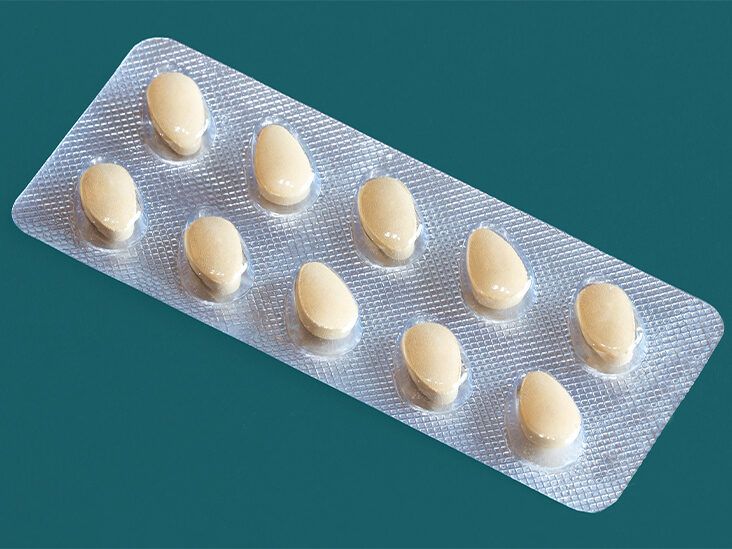
CC Now Health & Fitness Zeigt Sich Cialis Die Optimalste Antwort Im Falle Von Die Eigene Erektile Erkrankung?

Zeigt Sich Cialis Die Optimalste Antwort Im Falle Von Die Eigene Erektile Erkrankung?


Tadalafil ist ein beliebtes Medikament, das vor allem für die Behandlung von erektiler Dysfunktion bekannt ist. Es enthält den Wirkstoff Tadalafil, der den Blutfluss in den Penis fördert und so dazu beiträgt, eine Erektion zu vermitteln und aufrechtzuerhalten. dieser Webseite wird auch zur Behandlung von gutartiger Prostatavergrößerung (BPH) eingesetzt, einer Erkrankung, bei der die Prostata vergrößert ist und zu Beschwerden beim Wasserlassen führt. In diesem Artikel werden die Funktionsweise, Einnahme, Nebenwirkungen und Risiken und Vorteile von Cialis ausführlich erläutert.

Cialis gehört zur Gruppe der sogenannten PDE-5-Hemmer. Diese Medikamente wirken, indem sie das Enzym PDE-5 hemmen, das in den Blutgefäßen des Penis vorkommt. Normalerweise sorgt dieses Enzym dafür, dass die Blutgefäße wieder verengen, was die Erektion beendet. Wenn jedoch Cialis eingenommen wird, bleibt das Enzym inaktiv, sodass der Blutfluss im Penis verlängert wird und die Erektion länger anhält. Diese Wirkung tritt in der Regel innerhalb von 30-60 Minuten nach der Einnahme ein und kann bis zu 36 Stunden anhalten. Aufgrund der langen Wirkungsdauer wird Cialis auch als “Wochenendpille” bezeichnet, da es Männern ermöglicht, unmittelbare sexuelle Aktivitäten zu genießen.

Die Anwendung von Cialis ist einfach. Es wird in der Regel als Tablette eingenommen, die mit Wasser genommen wird. Je nach Bedarf kann es entweder täglich in einer niedrigeren Dosis oder bei Bedarf in einer stärkeren Dosis eingenommen werden. Es ist wichtig, das Medikament nicht häufiger als täglich einzunehmen und die vom Arzt empfohlene Dosis nicht zu überschreiten. Die Wirkung von Cialis kann durch Alkohol oder fettreiche Mahlzeiten abgeschwächt werden, weshalb es empfohlen wird, auf den Konsum von Alkohol in großen Mengen zu verzichten und das Medikament nicht unmittelbar nach einer schweren Mahlzeit einzunehmen.

Cialis hat sich nicht nur als wirksam bei der Behandlung der erektilen Dysfunktion erwiesen, sondern bietet auch Nutzen für Männer mit gutartiger Prostatahyperplasie. Durch die Entspannung der Muskulatur in der Prostata und der Blase wird der Harnfluss verbessert und das unangenehme Gefühl beim Wasserlassen gelindert. Diese Wirkung kann Männern mit einer geschwollenen Prostata eine spürbare Erleichterung verschaffen.

Wie bei jedem Medikament kann auch die Einnahme von Cialis unerwünschte Wirkungen mit sich bringen. Zu den häufigsten Nebenwirkungen gehören Schädelweh, Hitzewallungen, Übelkeit und Schmerzen im Rücken. In seltenen Fällen kann es auch zu schwerwiegenderen Nebenwirkungen wie Sehstörungen oder einer schmerzhaften Erektion kommen, die sofortige ärztliche Hilfe erfordern. Es wird empfohlen, vor der Einnahme von Cialis einen Arzt zu konsultieren, um sicherzustellen, dass das Medikament für den individuellen Gesundheitszustand geeignet ist.

Insgesamt bietet Cialis eine wirksame und langanhaltende Lösung für Männer, die mit erektiler Dysfunktion oder einer BPH zu kämpfen haben. Mit der richtigen Anwendung und unter ärztlicher Aufsicht kann es helfen, das Selbstbewusstsein zu stärken und die Lebensqualität zu verbessern. Es ist jedoch wichtig, sich der möglichen Nebenwirkungen bewusst zu sein und immer einen Facharzt zu Rate zu ziehen, bevor man mit der Behandlung beginnt.

Leave a Reply

Your email address will not be published. Required fields are marked *

Related Post

The Healing Power of Chinese Medicine: A Holistic Approach to HealthThe Healing Power of Chinese Medicine: A Holistic Approach to Health

Chinese medicine, a system of healing that has been practiced for thousands of years, offers a holistic and time-tested approach to health and wellness. It integrates mind, body, and spirit, recognizing that all aspects of an individual are interconnected and that achieving balance in these areas is essential for overall well-being. In this article, we will explore the foundations of Chinese medicine, its key therapeutic modalities, and how it continues to offer solutions to modern health challenges.

The Foundations of Chinese Medicine: Ancient Wisdom

Chinese medicine is based on principles that have been passed down through generations, drawing on philosophical ideas, empirical observation, and a deep understanding of human physiology. At the heart of this ancient system is the belief that health is a state of balance, both within the body and in relation to the external environment.

1. Qi (Chi) – The Vital Energy

One of the central concepts in Chinese medicine is Qi, often translated as “vital energy” or “life force.” Qi is thought to flow through the body in pathways called meridians, which are like highways for the body’s energy. These meridians connect various organs, tissues, and systems, allowing for the free flow of energy that is necessary for life and health.

When Qi flows smoothly and without obstruction, the body is in harmony, and health is maintained. However, when Qi becomes stagnant, weak, or imbalanced, it can lead to illness. The goal of 跌打介紹 is to restore the smooth flow of Qi, allowing the body to heal itself naturally.

2. Yin and Yang – The Balance of Opposites

The concept of Yin and Yang, which comes from Taoist philosophy, is another key principle in Chinese medicine. These two forces represent complementary but opposing aspects of the universe. Yin is associated with qualities such as cold, rest, nourishment, and passivity, while Yang represents warmth, activity, energy, and expansion.

In health, both Yin and Yang must be in balance. If one force is dominant or deficient, it can result in illness. For example, an excess of Yang might cause inflammation, fever, or restlessness, while a deficiency of Yin could lead to dryness, fatigue, or night sweats. Practitioners of Chinese medicine work to restore harmony between Yin and Yang, ensuring that both energies are balanced for optimal health.

3. The Five Elements – A Framework for Understanding Health

The Five Elements theory is another fundamental aspect of Chinese medicine. The Five Elements—Wood, Fire, Earth, Metal, and Water—represent different phases of life and the natural world, each associated with specific organs, emotions, seasons, and other physiological functions. The interactions between these elements are used to diagnose and treat health imbalances.

  • Wood corresponds to the Liver and is related to the emotion of anger.
  • Fire corresponds to the Heart and is associated with joy.
  • Earth corresponds to the Spleen and is linked with worry.
  • Metal corresponds to the Lungs and is related to grief.
  • Water corresponds to the Kidneys and is associated with fear.

Each element influences the others in a cycle of generation and control, and an imbalance in one element can affect the entire system. Chinese medicine uses the Five Elements framework to identify these imbalances and restore harmony within the body.

Key Therapies in Chinese Medicine

Chinese medicine encompasses a wide range of therapeutic modalities, each designed to treat both the symptoms and the root causes of illness. Some of the most common treatments include acupuncture, herbal medicine, cupping, moxibustion, and Tai Chi.

1. Acupuncture – Restoring the Flow of Qi

Acupuncture is one of the most widely practiced therapies in Chinese medicine. It involves the insertion of very thin needles into specific points on the body, known as acupuncture points. These points correspond to pathways of Qi flow in the body, and stimulating them is believed to restore balance and promote healing.

Acupuncture is used to treat a variety of conditions, including chronic pain, headaches, digestive disorders, stress, and insomnia. It has been shown to reduce pain, promote relaxation, improve circulation, and strengthen the immune system. Acupuncture also helps to regulate the body’s energy and can be particularly beneficial for those seeking to improve overall vitality and well-being.

2. Herbal Medicine – Natural Healing from the Earth

Chinese herbal medicine is an essential component of traditional Chinese healing. Herbal formulas are made from a combination of plants, minerals, and sometimes animal products, each chosen for its specific therapeutic properties. These formulas are carefully tailored to address the unique needs of each individual.

Common herbs used in Chinese medicine include:

  • Ginseng: Known for its ability to increase energy levels and boost the immune system.
  • Dong Quai: Often referred to as the “female ginseng,” it is used to regulate the menstrual cycle and support reproductive health.
  • Astragalus: A herb used to strengthen the immune system and prevent colds and infections.
  • Goji Berries: Believed to enhance longevity and improve vision, skin health, and energy.

Herbal formulas are often customized to balance the body's energy, nourish organs, and address specific health issues. In addition to their therapeutic effects, Chinese herbs are often used preventively to maintain health and vitality.

3. Cupping Therapy – Stimulating the Body’s Energy

Cupping therapy involves placing special cups on the skin to create a vacuum effect. This suction draws the skin and underlying tissues into the cup, stimulating blood flow, releasing toxins, and improving Qi circulation.

Cupping is commonly used to treat musculoskeletal pain, respiratory issues, and digestive problems. It is also popular for promoting relaxation and enhancing circulation. Athletes often use cupping to speed up recovery from injuries and to relieve muscle tightness and soreness.

4. Moxibustion – The Healing Power of Heat

Moxibustion is a therapeutic technique that involves the burning of a dried herb called moxa, made from mugwort, near specific acupuncture points. The heat from moxibustion is believed to stimulate Qi, expel cold, and promote healing.

Moxibustion is often used to treat conditions associated with cold or deficiency, such as digestive issues, joint pain, or fatigue. It is also helpful for individuals experiencing low energy or weakened immunity.

5. Tai Chi and Qigong – Movement and Breath for Vitality

Tai Chi and Qigong are mind-body practices that combine slow, intentional movements with deep breathing and meditation. Both practices are designed to cultivate, balance, and harmonize the flow of Qi within the body.

Tai Chi, which has its roots in martial arts, is renowned for its ability to improve balance, flexibility, and coordination. It also promotes relaxation and mental clarity. Qigong, on the other hand, emphasizes energy cultivation through focused breathing and movement.

Both Tai Chi and Qigong are effective for reducing stress, improving circulation, boosting the immune system, and enhancing overall vitality. These practices are particularly beneficial for older adults, as they help improve flexibility, balance, and mental focus.

The Relevance of Chinese Medicine in Modern Health

In today’s fast-paced and often stressful world, Chinese medicine offers a unique, holistic approach to health that is becoming increasingly popular. More and more people are turning to Chinese medicine to address chronic conditions, manage stress, and enhance their overall quality of life. Here’s why Chinese medicine remains highly relevant in the modern world:

1. Chronic Pain Management

Chronic pain conditions such as arthritis, fibromyalgia, and back pain are common issues that modern medicine struggles to address effectively. Chinese medicine offers several natural and effective treatments for pain relief, such as acupuncture, cupping, and herbal remedies. These therapies help to reduce inflammation, improve circulation, and promote the body’s natural healing processes.

2. Stress Reduction and Mental Health

In a world filled with stress and anxiety, Chinese medicine provides powerful tools for emotional well-being. Acupuncture and herbal treatments can help regulate the nervous system, reduce cortisol levels, and promote relaxation. Practices like Tai Chi and Qigong are also highly effective for managing stress, improving mental clarity, and enhancing emotional balance.

3. Digestive Health

Many people suffer from digestive issues such as bloating, indigestion, and irritable bowel syndrome (IBS). Chinese medicine offers a holistic approach to digestive health, focusing on the underlying causes of these conditions. Herbal formulas, acupuncture, and dietary recommendations help to balance the digestive system, improve nutrient absorption, and promote optimal gut health.

4. Immune Support and Preventative Health

Chinese medicine places a strong emphasis on prevention. By promoting balance and harmony within the body, Chinese medicine helps to strengthen the immune system, reduce the risk of illness, and support overall vitality. Regular acupuncture treatments, herbal supplementation, and lifestyle adjustments can help prevent disease before it manifests.

Conclusion

Chinese medicine offers a holistic and integrative approach to health that emphasizes balance, prevention, and natural healing. With its focus on Qi, Yin and Yang, and the Five Elements, Chinese medicine aims to restore harmony in the body, mind, and spirit. Through its diverse range of therapies—such as acupuncture, herbal medicine, cupping, moxibustion, and Tai Chi—Chinese medicine continues to provide effective treatments for modern health challenges, including chronic pain, stress, digestive issues, and immune support.

As more individuals seek alternative and complementary therapies to improve their health, Chinese medicine remains a valuable and powerful tool for healing and well-being. Whether you are seeking to treat a specific health condition or simply improve your overall vitality, Chinese medicine offers a path to a healthier, more balanced life.

Japonská Kosmetika Lebel Od Společnosti Aiya Beauty Care Využívá Unikátní Složky Pro Dokonalou Obnovu Vlasů.Japonská Kosmetika Lebel Od Společnosti Aiya Beauty Care Využívá Unikátní Složky Pro Dokonalou Obnovu Vlasů.


Prémiová kadeřnická obnova Lebel díky společnosti Aiya Beauty Care kombinuje unikátní ingredience pro hlubokou regeneraci vlasů. Japonská filozofie kosmetiky Lebel soustředí na požadavky vlasové pokožky společně s přináší kvalitní produkty na každodenní údržbu.

Produkty Lebel jsou vytvářeny spojením vědeckého výzkumu společně s pečujících složek. Celá kolekce pracuje aby podpořila posílit strukturu kadeří. S využitím inovativních receptur zajišťuje péči jež respektuje zdravou kvalitu účesu.

Aiya Beauty Care nabízí klientům odborné přípravky japonské vlasové kosmetiky. Zaměření k kvalitu podporuje dosáhnout krásnějšího vzhledu Mediceuticals Cellagen ů. Kosmetika Lebel nezůstává jen základní péčí, ale uceleným systémem na ochranu vlasů.

Speciální ingredience nacházející se při řadách Lebel přispívají pro účinné regeneraci. Vlasová vlákna nacházejí lepší výživu a zdravý vzhled. Inovativní postupy pomáhají řešit různé problémy vlasů.

Originální technologie Lebel kombinuje zkušenosti s nejnovějšími inovacemi. Protože takovému konceptu se účesy být silnějšími. Správné aplikace přípravků značky podporuje krásu účesu a nabízí výjimečný efekt i každodenní péči.

Post Treatment Care Tips From the Best Med Spa in AtlantaPost Treatment Care Tips From the Best Med Spa in Atlanta

Post-treatment care is essential for achieving the best results from your recent procedure. It’s not just about what you do in the office; how you care for your skin afterward can make a significant difference. Following your practitioner’s guidelines is key, but there are also specific steps you can take at home to enhance your recovery. Let’s explore the most effective strategies to support your skin’s healing journey.

Key Takeaways

  • Follow your practitioner’s post-treatment guidelines for optimal recovery and results.
  • Use a gentle cleanser and moisturizer to maintain skin hydration and cleanliness.
  • Apply broad-spectrum sunscreen daily to protect healing skin from UV damage.
  • Stay hydrated and incorporate nutrient-rich foods to support skin healing.
  • Attend all follow-up appointments to monitor recovery and address any concerns.

Understanding Your Treatment and Its Aftercare Requirements

Understanding your treatment and its aftercare requirements is crucial for a smooth recovery. You should have clear treatment expectations to help manage your healing timeline effectively.

Understanding your treatment and aftercare is vital for a smooth recovery and effective healing timeline management.

After your procedure, it’s essential to follow the guidelines provided by your practitioner. This includes avoiding sun exposure, using gentle products, and attending follow-up appointments.

Recognizing what to expect during your recovery can alleviate anxiety and ensure optimal results. Pay attention to any signs of complications and don’t hesitate to reach out to your provider with questions.

Your commitment to aftercare plays a vital role in achieving the best possible outcome from your treatment.

Essential Skincare Products to Use Post-Treatment

After your treatment, selecting the right skincare products is essential for promoting healing and enhancing results.

Here are four must-haves:

  1. Gentle Cleanser: Use a mild, non-irritating cleanser to keep your skin clean without stripping it of moisture.

  2. Moisturizer: Emphasize moisturizer importance; it hydrates and soothes your skin, aiding recovery.

  3. Sunscreen: Ensure sunscreen necessity by applying a broad-spectrum SPF to protect your healing skin from UV damage.

  4. Serum: Incorporate a nourishing serum to boost hydration and support skin repair.

Following these guidelines will help you achieve the best outcomes post-treatment.

Lifestyle Changes to Support Skin Healing

While using the right skincare products is a great start, making some lifestyle changes can significantly enhance your skin’s healing process.

Focus on diet adjustments by incorporating more fruits, vegetables, and healthy fats, which provide essential nutrients for skin repair. Reducing processed foods and sugar can also help minimize inflammation.

Additionally, prioritize your hydration habits; drinking plenty of water keeps your skin plump and promotes healing. Aim for at least eight glasses a day, and consider herbal teas for variety.

These changes can create a supportive environment for your skin, fostering quicker recovery and a healthier complexion.

Common Post-Treatment Reactions and How to Address Them

Following a skin treatment, it’s not uncommon to experience certain reactions that can vary from mild to more pronounced.

Post-treatment reactions can be common and may range from mild to more intense.

Here are some common post-treatment reactions and tips for addressing them:

  1. Redness Management: Apply a cool compress to soothe the Best Med Spa and reduce redness.

  2. Swelling Reduction: Elevate your head while resting to minimize swelling.

  3. Dryness Relief: Use a gentle moisturizer to keep your skin hydrated.

  4. Sensitivity Care: Avoid harsh products and direct sunlight to prevent irritation.

When to Seek Professional Advice for Your Skin

If you notice persistent or worsening symptoms after your skin treatment, it’s crucial to seek professional advice.

Don’t hesitate to reach out if you experience significant skin changes, such as increased redness, swelling, or unusual rashes. These could signal an adverse reaction or infection that requires timely intervention.

Regular professional consultations can help monitor your skin’s recovery and address any concerns you might have.

Remember, your skin’s health is paramount, and being proactive ensures you maintain the beautiful results of your treatment.

Always trust your instincts—if something feels off, it’s better to consult with an expert.

Conclusion

In conclusion, prioritizing post-treatment care is essential for achieving the best results. By following your practitioner’s guidelines, using the right skincare products, and making healthy lifestyle choices, you can significantly enhance your recovery. Stay attentive to your skin’s reactions and don’t hesitate to seek professional advice if something feels off. Remember, your skin deserves the best care, and with these tips, you’re on the right path to radiant, healthy skin.

Inovasi dan Regulasi Gas Medis sebagai Penopang Mutu Pelayanan Kesehatan Berkelanjutan di IndonesiaInovasi dan Regulasi Gas Medis sebagai Penopang Mutu Pelayanan Kesehatan Berkelanjutan di Indonesia

instalasi gas medis merupakan komponen vital dalam sistem pelayanan kesehatan modern. Oksigen, nitrogen, nitrous oxide, udara medis, dan karbon dioksida digunakan secara luas untuk terapi, anestesi, diagnostik, serta penunjang berbagai prosedur klinis. Di Indonesia, peningkatan kebutuhan layanan kesehatan yang aman, bermutu, dan berkelanjutan mendorong pentingnya inovasi teknologi serta penguatan regulasi gas medis sebagai fondasi mutu pelayanan kesehatan nasional.

Dari sisi inovasi, perkembangan teknologi gas medis mengalami kemajuan signifikan dalam satu dekade terakhir. Rumah sakit kini tidak lagi hanya bergantung pada tabung gas konvensional, tetapi mulai mengadopsi sistem gas medis terpusat (centralized medical gas system). Sistem ini memungkinkan distribusi gas secara stabil, aman, dan efisien ke seluruh unit pelayanan, sehingga mengurangi risiko kesalahan manusia, kebocoran, dan keterlambatan suplai. Selain itu, inovasi seperti generator oksigen berbasis Pressure Swing Adsorption (PSA) menjadi solusi strategis, terutama untuk rumah sakit di daerah terpencil. Teknologi PSA memungkinkan produksi oksigen mandiri dengan kualitas medis, menekan biaya logistik, dan meningkatkan ketahanan fasilitas kesehatan dalam situasi darurat.

Digitalisasi juga memainkan peran penting dalam pengelolaan gas medis. Penerapan sensor pintar dan sistem pemantauan berbasis Internet of Things (IoT) memungkinkan rumah sakit memantau tekanan, kemurnian, dan konsumsi gas secara real-time. Dengan data yang akurat, manajemen dapat melakukan perencanaan kebutuhan yang lebih presisi, mencegah kekosongan pasokan, serta meningkatkan efisiensi energi. Inovasi ini tidak hanya berdampak pada keselamatan pasien, tetapi juga mendukung prinsip keberlanjutan melalui pengurangan pemborosan dan emisi karbon.

Namun, inovasi tanpa regulasi yang kuat berpotensi menimbulkan risiko keselamatan. Oleh karena itu, regulasi gas medis menjadi pilar utama dalam menjaga standar mutu pelayanan kesehatan. Di Indonesia, pengaturan gas medis mencakup aspek produksi, penyimpanan, distribusi, hingga penggunaan di fasilitas pelayanan kesehatan. Standar nasional dan pedoman teknis menetapkan persyaratan kemurnian gas, spesifikasi peralatan, prosedur instalasi, serta kompetensi sumber daya manusia yang terlibat. Regulasi ini bertujuan untuk memastikan bahwa gas medis yang digunakan aman, efektif, dan sesuai dengan kebutuhan klinis.

Peran pemerintah dan lembaga pengawas sangat krusial dalam memastikan kepatuhan terhadap regulasi tersebut. Pengawasan berkala, audit mutu, serta sertifikasi instalasi gas medis membantu mencegah praktik yang tidak sesuai standar. Selain itu, regulasi yang adaptif terhadap perkembangan teknologi menjadi kunci agar inovasi dapat diadopsi tanpa mengorbankan keselamatan. Sinergi antara regulator, industri, dan fasilitas kesehatan diperlukan untuk menyelaraskan standar teknis dengan realitas operasional di lapangan.

Dalam konteks keberlanjutan, inovasi dan regulasi gas medis berkontribusi langsung pada ketahanan sistem kesehatan. Pengelolaan gas medis yang efisien menurunkan biaya operasional rumah sakit, sehingga sumber daya dapat dialokasikan untuk peningkatan kualitas layanan lainnya. Di sisi lingkungan, penggunaan teknologi hemat energi dan sistem produksi lokal membantu mengurangi jejak karbon sektor kesehatan. Hal ini sejalan dengan agenda pembangunan berkelanjutan yang menempatkan kesehatan dan lingkungan sebagai prioritas bersama.

Sebagai penutup, inovasi dan regulasi gas medis merupakan dua elemen yang saling melengkapi dalam menopang mutu pelayanan kesehatan berkelanjutan di Indonesia. Inovasi menghadirkan solusi teknis yang meningkatkan efisiensi dan keselamatan, sementara regulasi memastikan penerapan standar yang konsisten dan bertanggung jawab. Dengan penguatan keduanya secara berimbang, sistem kesehatan Indonesia dapat memberikan pelayanan yang lebih aman, bermutu, dan berkelanjutan bagi seluruh masyarakat.

The Role Of Espresso In Weight Reduction: How Coffee Can Help Burn Off Fat And Boost K-calorie BurningThe Role Of Espresso In Weight Reduction: How Coffee Can Help Burn Off Fat And Boost K-calorie Burning

Espresso is one of the very most widely eaten products on the planet, and once and for all reason. Besides its power to wake us up and raise psychological alertness, coffee has been associated with fat loss in several ways. The relationship between espresso and weight loss has garnered significant interest lately, as many folks seek natural methods to improve metabolism and reduce human anatomy fat. In this article, we will discover how espresso can aid in fat loss, the technology behind it, and some tips on how to integrate espresso into your weight-loss journey.

How Coffee Affects Metabolism

One of many main methods coffee can assist in weight loss is by enhancing metabolism. Espresso contains caffeine, an all-natural stimulant that has been revealed to increase thermogenesis, the procedure by which the human body produces temperature and burns off calories. Reports declare that coffee can boost the metabolic charge by 3-11%, depending on the individual. Which means that by drinking espresso, the body burns more calories even at rest. Additionally, coffee helps mobilize fatty acids from the fat areas, creating them offered to be properly used as energy throughout bodily activity.

Coffee’s Role in Appetite Suppression

Another possible good thing about espresso in regards to fat loss is their appetite-suppressing effect. Caffeine has been found to improve the quantities of certain hormones, such as norepinephrine, which play a role in managing hunger. By stimulating the launch of these hormones, espresso might help reduce thoughts of starvation and prevent overeating. Some people see that drinking espresso before foods assists them digest less calories over all, which makes it easier to keep a fat deficit, that is needed for weight loss.

Coffee and Fat Oxidation

Fat oxidation refers to the method through which the body stops working and burns off fat for fuel. Coffee, specially the coffee inside it, has been found to improve fat oxidation. Which means by drinking espresso before exercise, individuals may be able to burn more fat during their workout. A examine published in the “National Journal of Medical Nutrition” showed that coffee may increase fat oxidation by around 29% in lean persons and 10-20% in obese individuals. That makes espresso a good instrument for those seeking to burn fat more efficiently, particularly when combined with typical bodily activity.

The Impact of Coffee on Exercise Performance

Along with their metabolic and appetite-suppressing consequences, espresso may increase bodily performance, which could ultimately contribute to fat loss. Coffee is recognized to enhance stamina, energy, and over all exercise performance. It does therefore by increasing adrenaline levels in the body, which raises bodily energy. This will cause lengthier, more powerful workouts, supporting persons burn more calories and fat. For those seeking to increase their weight reduction efforts, eating a sit down elsewhere before a workout may offer an added edge.

How to Incorporate Coffee into a Weight-Loss Plan

While espresso could be a helpful instrument for weight reduction, it’s very important to utilize it wisely. Here are some methods for incorporating coffee into a weight-loss program:

Select black coffee: Putting sugar, treatment, or flavored syrups can significantly boost the fat content of your coffee. For weight reduction, it’s best to stick to black espresso or limit included ingredients.

Control is essential: A lot of coffee may cause jitteriness, anxiety, and disrupted sleep, that can adversely influence your weight-loss efforts. Shoot for only 2-3 glasses of espresso per day.

Pair with a healthy diet: Espresso alone won’t lead to fat loss. It’s crucial to mix espresso with a healthier, calorie-controlled diet and frequent exercise for the best results.

Consume coffee before workouts: Eating a cup of coffee before exercise will help improve performance and fat using throughout your workout.

Conclusion

Incorporating coffee in to your weight-loss routine is definitely an successful technique for boosting k-calorie burning, controlling appetite, and increasing fat oxidation. But, it’s important to remember that coffee must be viewed as a product to a wholesome life style, rather than a magic answer for fat loss. By utilizing java burn strategically and in control, along with a healthy diet and normal physical exercise, you are able to harness the advantages of that popular drink to guide your weight-loss goals.